

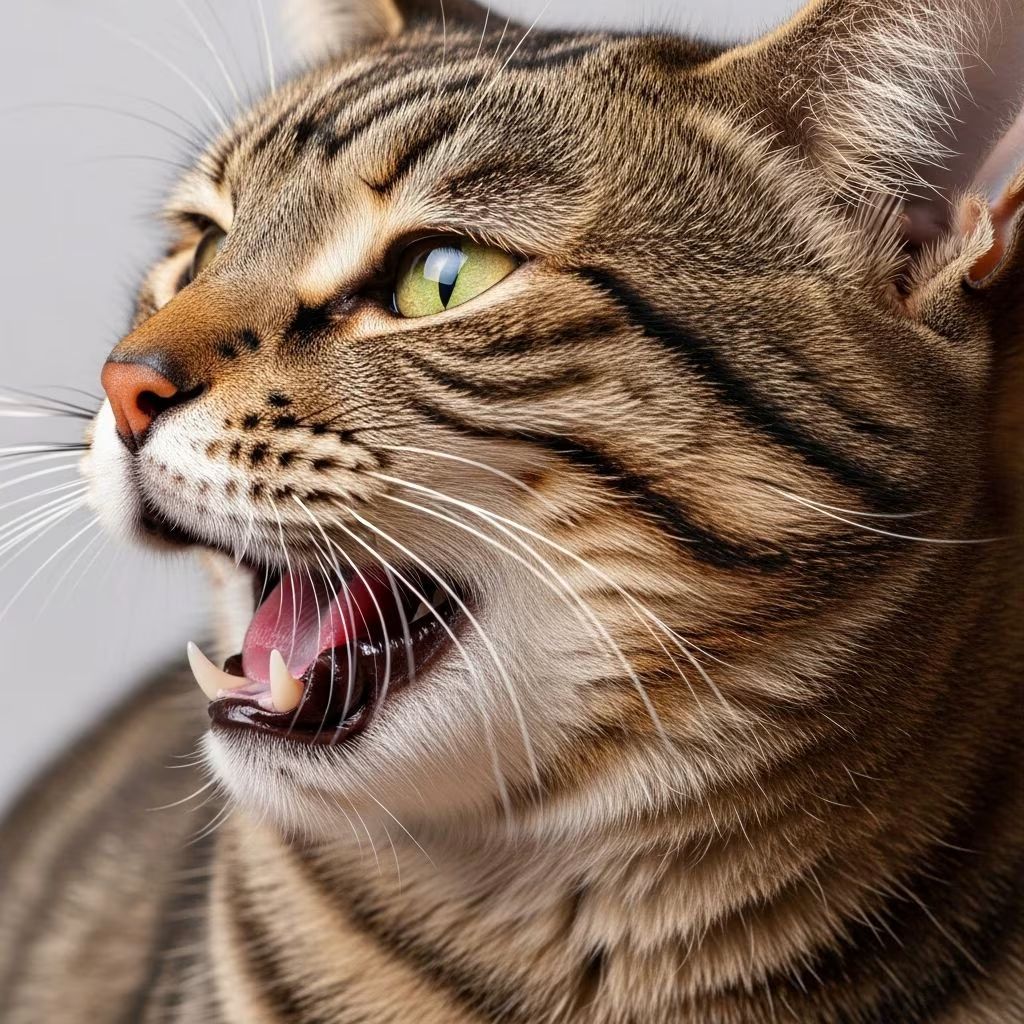
Can Cats Get Strep Throat?
Cats, like all living creatures, are vulnerable to various diseases and bacterial infections. One question that many cat owners ask is whether their feline companions can contract strep throat. The answer is nuanced and depends on which strain of streptococcus bacteria is involved.
Cats can contract different strains of Streptococcus bacteria, most commonly S. canis. However, in extremely rare cases, they can develop infection from group A Streptococcus, which is the strain responsible for classic strep throat in humans. Understanding the differences between these bacterial strains and how they affect cats is essential for any responsible pet owner.
Understanding Streptococcal Bacteria in Cats
Strep throat in humans is caused by group A Streptococcus, also known as Streptococcus pyogenes. This bacterium primarily affects people and is rarely transmitted to cats. According to veterinary research and case studies documented in medical literature, it is extremely unlikely that a cat will contract the human form of strep throat from their family members, though documented cases do exist in rare circumstances.
The most common streptococcal strain found in cats is Streptococcus canis, which is a normal part of the bacterial microflora in feline mouths, upper respiratory tracts, genital organs, and perianal regions. This strain has occasionally been isolated in humans presenting with various skin, joint, urinary, or respiratory infections, though transmission between species is uncommon.
While cats may harbor these bacteria, not all cats develop clinical illness from streptococcal exposure. Whether a cat becomes symptomatic depends on multiple factors including age, underlying health conditions, stress levels, immune system strength, and the virulence of the particular bacterial strain.
Signs of Streptococcal Infections in Cats
When group A Streptococcus is present in cats, they typically display no outward signs, with the bacteria remaining dormant in their throat, nose, or fur. However, Streptococcus canis infections can manifest through various clinical signs that cat owners should recognize:
- Abscesses and skin infections with visible swelling and discharge from affected areas
- Respiratory illness and pneumonia, characterized by coughing, lethargy, poor appetite, nasal discharge, or difficulty breathing
- Mobility issues and pain resulting from joint and bone infections that restrict movement
- Urogenital infections presenting with fever, changes in urinary habits, and visible discomfort
- Inflammation of the throat and tonsils with noticeably enlarged lymph nodes
- Fever and general malaise indicating systemic infection
In severe cases, streptococcal infections can progress to life-threatening conditions such as meningoencephalitis or sepsis, which are particularly dangerous for neonatal kittens or cats in shelter environments. These complications require immediate veterinary intervention to prevent fatal outcomes.
Vulnerable Populations: Which Cats Are Most at Risk?
Certain cat populations face increased susceptibility to developing clinical illness from streptococcal bacteria. Understanding which cats are most vulnerable allows owners to take preventive measures:
- Kittens are particularly sensitive, especially if they did not receive adequate high-quality colostrum providing maternal antibodies, as their developing immune systems cannot yet effectively combat the bacteria
- Senior cats with naturally declining immune systems due to age or underlying health conditions
- Cats with chronic upper respiratory disease where Streptococcus canis can be isolated from the nasal cavity in up to 10% of affected animals
- Shelter cats and multi-cat household residents exposed to stress and overcrowding, which compromises immune function
- Cats with underlying illnesses that weaken their ability to fight infections
Diagnosis of Streptococcal Infections
When a cat presents with symptoms suggesting a possible streptococcal infection, veterinarians employ several diagnostic approaches. A tentative diagnosis can be based on identifying gram-positive coccus chains in lesions or exudates under microscopic examination. However, definitive diagnosis requires bacterial culture and identification of the specific streptococcal strain causing the infection.
Your veterinarian may collect samples from affected areas, respiratory secretions, joint fluid, or urine depending on the suspected infection site. These samples are then cultured in laboratory settings to identify the exact bacterial strain and determine its antibiotic sensitivity, which guides treatment decisions.
Treatment Options for Streptococcal Infections
Because all variations of streptococcal infections are bacterial in nature, antibiotic therapy is the primary treatment approach. Your veterinarian will prescribe appropriate antibiotics based on the identified strain and its sensitivity profile.
Most streptococcal strains isolated from cats demonstrate sensitivity to penicillin and amoxicillin. First-generation cephalosporins serve as effective alternative treatments for cats that may have penicillin allergies or resistance issues. Interestingly, some strains identified in respiratory illness cases have shown resistance to penicillin and other antibiotics, making accurate culture and sensitivity testing crucial for treatment success.
Beyond antibiotic administration, supportive care plays an important role in recovery. Veterinarians typically recommend:
- Encouraging increased water intake to maintain hydration and support immune function
- Offering wet food or warming dry food to make eating more appealing if your cat has reduced appetite
- Providing rest and minimizing stress during recovery
- Monitoring food and water intake closely
If your cat stops eating or drinking during treatment, contact your veterinarian promptly, as this may indicate treatment ineffectiveness or development of complications requiring adjusted therapy.
Preventing Streptococcal Infections: Practical Strategies
Prevention of Streptococcus Canis Infections
Since Streptococcus canis is a normal part of feline bacterial flora, preventing clinical illness requires strategies that support immune function and reduce predisposing factors. Key preventive measures include:
- Ensuring kittens receive adequate colostrum through proper nursing or supplementation when necessary
- Maintaining proper cattery hygiene in multi-cat environments to reduce bacterial transmission
- Implementing stress reduction strategies since stress significantly compromises immune response
- Maintaining regular core vaccinations to strengthen overall immune function
- Providing appropriate nutrition to support immune system development and maintenance
- Monitoring senior cats closely for early signs of infection
Currently, no vaccines specifically protect against streptococcal infections in cats, making environmental management and stress reduction particularly important for prevention.
Prevention of Group A Streptococcus Infection
For classic strep throat prevention, the strategy focuses on minimizing contact between infected household members and cats. Group A Streptococcus is transmitted through respiratory droplets sneezed or coughed into the air, as well as through shared food and beverages.
Practical prevention measures include:
- Keeping family members with known strep throat away from cats until they recover
- Avoiding shared food or drinks between infected people and cats
- Maintaining distance and avoiding close facial contact with cats if you have a sore throat
- Practicing good hand hygiene around cats when you have any respiratory infection
It is worth noting that avoiding shared food with cats is advisable regardless of strep status, as many human foods are potentially harmful or nutritionally inappropriate for feline health.
When to Contact Your Veterinarian
If your cat displays any signs suggesting possible streptococcal infection or other health concerns, prompt veterinary consultation is essential. Contact your veterinarian if you notice:
- Persistent coughing or difficulty breathing
- Fever or elevated body temperature
- Loss of appetite or decreased water intake lasting more than a few hours
- Visible swelling, abscesses, or discharge from the skin
- Lethargy or unusual behavior
- Difficulty moving or signs of pain
- Enlarged lymph nodes in the neck or jaw area
Early diagnosis and treatment significantly improve outcomes and prevent progression to serious complications. If you cannot access in-person veterinary care immediately, online veterinary consultation services can provide professional guidance while you arrange further evaluation.
The Broader Picture: Cats as Disease Carriers
While cats may occasionally carry group A Streptococcus bacteria, evidence strongly suggests they are not a significant source of strep throat infection in humans. Research indicates that group A Streptococcus carriage by cats is extremely rare, and current scientific consensus holds that there is no convincing evidence that cats serve as a meaningful transmission source for human strep throat.
Earlier studies implicating pets in group A Strep transmission contained methodological weaknesses that likely resulted in misidentification of other streptococcal types commonly found in animals as group A Streptococcus. Modern veterinary and medical understanding recognizes that transmission of human strep throat occurs almost exclusively between people, whether from those showing symptoms or healthy carriers.
Summary and Key Takeaways
Cats harbor their own strains of Streptococcus bacteria with potential to cause health issues under certain conditions. However, the classic strep throat commonly affecting humans rarely impacts cats. Most cats carrying these bacteria will experience no signs and appear completely healthy.
Young kittens, senior cats, and those with underlying illnesses exposed to stress or overcrowding face increased risk of developing clinical illness from streptococcal exposure. When symptoms develop, antibiotic therapy guided by bacterial culture and sensitivity testing provides effective treatment. Prevention focuses on supporting immune function through proper nutrition, stress reduction, and environmental management.
If your cat seems sick or in pain, consulting your veterinarian promptly ensures your pet receives appropriate care and prevents serious complications from developing.
Frequently Asked Questions
Q: Can my cat catch strep throat from me?
A: It is extremely unlikely. While cats may rarely carry group A Streptococcus, transmission from humans to cats is exceptionally rare. Current research shows no convincing evidence that cats regularly contract strep throat from people.
Q: Can I catch strep throat from my cat?
A: No. Cats are not considered a significant source of strep throat infection in humans. Strep throat is spread between people through respiratory droplets and shared items, not from cats to humans.
Q: What signs should I watch for indicating strep infection in my cat?
A: Watch for respiratory symptoms like coughing or difficulty breathing, skin infections with swelling, reduced appetite, lethargy, fever, difficulty moving, or enlarged lymph nodes. Seek veterinary care if you notice these signs.
Q: How is streptococcal infection treated in cats?
A: Antibiotic therapy is the primary treatment, typically using penicillin, amoxicillin, or first-generation cephalosporins. Supportive care includes encouraging hydration and providing appealing food during recovery.
Q: Are certain cats more vulnerable to streptococcal infection?
A: Yes. Kittens with underdeveloped immune systems, senior cats with declining immunity, and cats in shelters or multi-cat households face higher risk, particularly when stressed or with underlying health conditions.
Q: Is there a vaccine to prevent streptococcal infections in cats?
A: No vaccines currently exist specifically for streptococcal infections in cats. Prevention focuses on proper hygiene, stress reduction, maintaining core vaccinations, and supporting overall immune health.
Q: Can streptococcal infections become serious in cats?
A: Yes. While many cats show no symptoms, untreated infections can progress to serious complications like meningoencephalitis, sepsis, or toxic shock syndrome, particularly in neonatal kittens or shelter animals.
References
- Can Cats Get Strep Throat? Vet-Reviewed Signs, Treatment and Prevention — Catster. 2024. https://www.catster.com/cat-health-care/can-cats-get-strep-throat/
- GUIDELINE for Streptococcal infections — ABCD Cats & Vets. https://www.abcdcatsvets.org/guideline-for-streptococcal-infections/
- Bacterial Infection (Streptococcus) in Cats — PetMD. https://www.petmd.com/cat/conditions/respiratory/c_ct_streptococcal_infections
- Pets and strep throat — Worms & Germs Blog. 2008. https://www.wormsandgermsblog.com/2008/05/articles/diseases/other-diseases/pets-and-strep-throat/



