

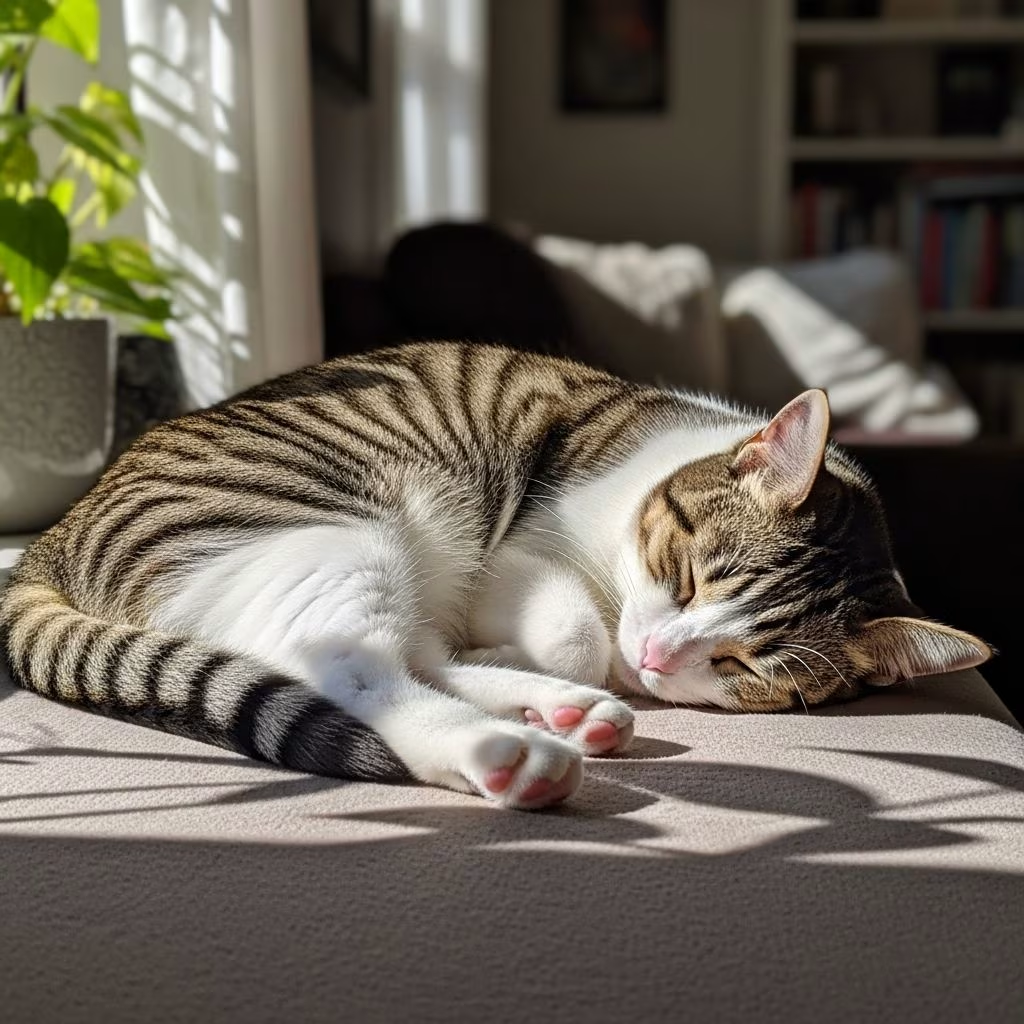
Cats are renowned for their extensive sleeping habits, often napping up to 16 hours a day, but they can indeed develop sleep disorders similar to those in humans, including narcolepsy, cataplexy, and insomnia, particularly in kittens, certain breeds, or senior cats. These conditions disrupt normal rest patterns, potentially leading to health complications if untreated, and require veterinary evaluation for accurate diagnosis and management.
How Much Do Cats Normally Sleep?
Cats exhibit polyphasic sleep patterns, meaning they take multiple short naps throughout the day and night, totaling 12-16 hours for adults, with kittens and seniors sleeping even more—up to 20 hours. This behavior stems from their crepuscular nature, being most active at dawn and dusk, and over three-quarters of mammals share similar habits, making humans the outlier with monophasic sleep.
Like humans, cats cycle through non-REM (light sleep) and REM (deep, dream-filled) stages, but the ratio shifts with age: kittens spend more time in REM, fostering brain development, while older cats favor lighter NREM sleep. Normal sleep appears restful, with occasional twitching or purring, but disruptions like sudden collapses or nighttime pacing signal potential issues.
Types of Feline Sleep Disorders
Several sleep disorders affect cats, ranging from congenital neurological conditions to age-related or medical issues. The most documented include narcolepsy, cataplexy, insomnia, and sleep apnea.
- Narcolepsy: Characterized by excessive daytime sleepiness and sudden, uncontrollable REM sleep attacks, leading to brief losses of consciousness.
- Cataplexy: Sudden muscle weakness or paralysis while awake, often triggered by excitement like play or food, frequently co-occurring with narcolepsy.
- Insomnia: Difficulty staying asleep, common in seniors, manifesting as nighttime waking, pacing, or reversed day-night cycles.
- Sleep Apnea: Breathing pauses during sleep, prevalent in brachycephalic breeds like Persians, causing poor sleep quality and daytime fatigue.
Narcolepsy and Cataplexy in Cats
Narcolepsy and cataplexy are rare neurological disorders in cats, often congenital and inherited, though acquired forms exist from trauma, tumors, or low hypocretin levels in cerebrospinal fluid. Narcolepsy involves overwhelming sleepiness, with cats collapsing into sudden sleep, while cataplexy causes flaccid paralysis without full unconsciousness, lasting seconds to minutes.
Episodes are triggered by emotional stimuli—eating, playing, or greetings—starting abruptly with limb paralysis, head droop, twitching, and rapid recovery upon stimulation like touch or noise. Though not life-threatening, cats risk injury from falls, and symptoms mimic seizures, necessitating veterinary differentiation. Diagnosis involves clinical history, video evidence, ruling out epilepsy via EEG, and sometimes CSF analysis.
Prevalence in Kittens
Kittens, especially certain breeds like Dobermans (though less common in cats), show early signs during play or feeding, with polyphasic sleep exacerbating vulnerability. Congenital cases appear by 6 months, but monitoring littermates helps identify genetic patterns.
Sleep Disorders in Senior Cats
Older cats (over 10 years) commonly face insomnia due to cognitive dysfunction syndrome (similar to dementia), sensory loss in hearing/vision, or hyperthyroidism, causing nighttime restlessness, vocalizing, or pacing. Hyperthyroidism, an overproduction of thyroid hormones, disrupts sleep-wake cycles, leading to cardiac issues and hypertension if unchecked—a simple blood test confirms it.
Other contributors include chronic pain, arthritis, or kidney disease, inverting natural crepuscular rhythms into full nocturnal activity. Owners report seniors sleeping less overall, with fragmented rest mimicking human age-related insomnia. Environmental changes, like new pets or furniture, amplify stress-induced wakefulness.
Other Causes of Sleep Disturbances
Beyond primary disorders, secondary factors disrupt feline sleep:
- Medical Conditions: Heart disease, allergies, urinary issues, or obesity prevent restful sleep.
- Brachycephalic Breeds: Persians suffer sleep apnea from narrowed airways, risking heart disease or stroke.
- Stress/Anxiety: Household changes, new neighbors, or lack of routine cause hyperactivity.
- Diet: Poor nutrition correlates with reduced REM; over/under-eating affects subsequent sleep.
| Condition | Common Signs | Affected Cats |
|---|---|---|
| Narcolepsy/Cataplexy | Sudden collapse, twitching | Kittens, rare breeds |
| Insomnia | Night pacing, vocalizing | Seniors |
| Sleep Apnea | Snoring, gasping | Persians, obese cats |
| Hyperthyroidism | Restlessness, weight loss | Older cats |
Signs Your Cat May Have a Sleep Disorder
Watch for deviations from normal: excessive daytime sleeping beyond usual naps, sudden collapses, nighttime hyperactivity, snoring/gasping, lethargy, or personality shifts like disinterest in play[10]. Other red flags include weight changes, vomiting, or reversed sleep cycles—consult a vet if patterns persist over days[10]. Video episodes for accurate assessment.
Diagnosis of Feline Sleep Disorders
Vets start with history and physical exams, progressing to bloodwork for thyroid/kidney function, neurological tests, or polysomnography (rare in cats). Rule out differentials like seizures, low blood sugar, or toxins via EEG or CSF. For apnea, observe breathing; seniors get cognitive screens. Early detection prevents complications.
Treatment and Management
Most feline sleep disorders lack cures but respond to management:
- Narcolepsy/Cataplexy: Avoid triggers; stimulants like modafinil (off-label) or environmental adaptations.
- Insomnia/Hyperthyroidism: Medications (methimazole), melatonin supplements, or diet.
- Apnea: Weight loss, surgery, or treat underlying allergies.
- General: Enrich environment with play, consistent routines, nutritious diet to boost REM.
Afternoon exercise tires cats for better nights; pheromone diffusers reduce stress. Monitor progress with follow-ups.
Can You Prevent Sleep Disorders in Cats?
Prevention focuses on wellness: balanced diet, regular vet checkups for early hyperthyroidism detection, weight control, and breed-specific care for Persians. Minimize stressors with stable homes; senior screenings catch cognitive decline early. Genetics limit congenital prevention, but screening breeders helps.
Frequently Asked Questions (FAQs)
Can all cats get narcolepsy?
Rarely, but congenital cases hit kittens; acquired from trauma affects any age.
Why is my senior cat up at night?
Likely cognitive dysfunction, hyperthyroidism, or pain—vet bloodwork diagnoses.
Does diet affect cat sleep?
Yes, nutrition influences REM; poor diet worsens disorders.
Is cataplexy dangerous?
Not directly, but injury risk exists; manage triggers.
How much sleep is too much for cats?
Over 20 hours or sudden changes signal issues[10].
References
- The Sleepy Secrets of Cats: Why Cats Sleep So Much — Darwin’s Pet. 2023. https://www.darwinspet.com/blogs/pet-behavior/the-sleepy-secrets-of-cats-why-cats-sleep-so-much
- What Causes Cat and Dog Insomnia? — Hill’s Pet Nutrition. 2024. https://www.hillspet.com/pet-care/behavior-appearance/what-causes-cat-and-dog-insomnia
- Sleeping Disorders in Animals — Texas A&M University College of Veterinary Medicine & Biomedical Sciences. 2023. https://vetmed.tamu.edu/news/pet-talk/sleeping-disorders-in-animals/
- Narcolepsy and Cataplexy in Cats — Vetster. 2024. https://vetster.com/en/conditions/cat/narcolepsy-and-cataplexy
- 5 Reasons Your Cat isn’t Sleeping at Night and How to Help — North Road Veterinary Clinic. 2023. https://www.northroadvet.com.au/blog/5-causes-for-cats-not-sleeping-at-night-and-ways-to-help
- Sleep disorders: differential diagnoses and treatment — Vet Times. 2023. https://www.vettimes.com/news/vets/small-animal-vets/sleep-disorders-differential-diagnoses-and-treatment
- Narcolepsy and Cataplexy in Cats — PetMD. 2024. https://www.petmd.com/cat/conditions/neurological/c_ct_narcolepsy_cataplexy



