

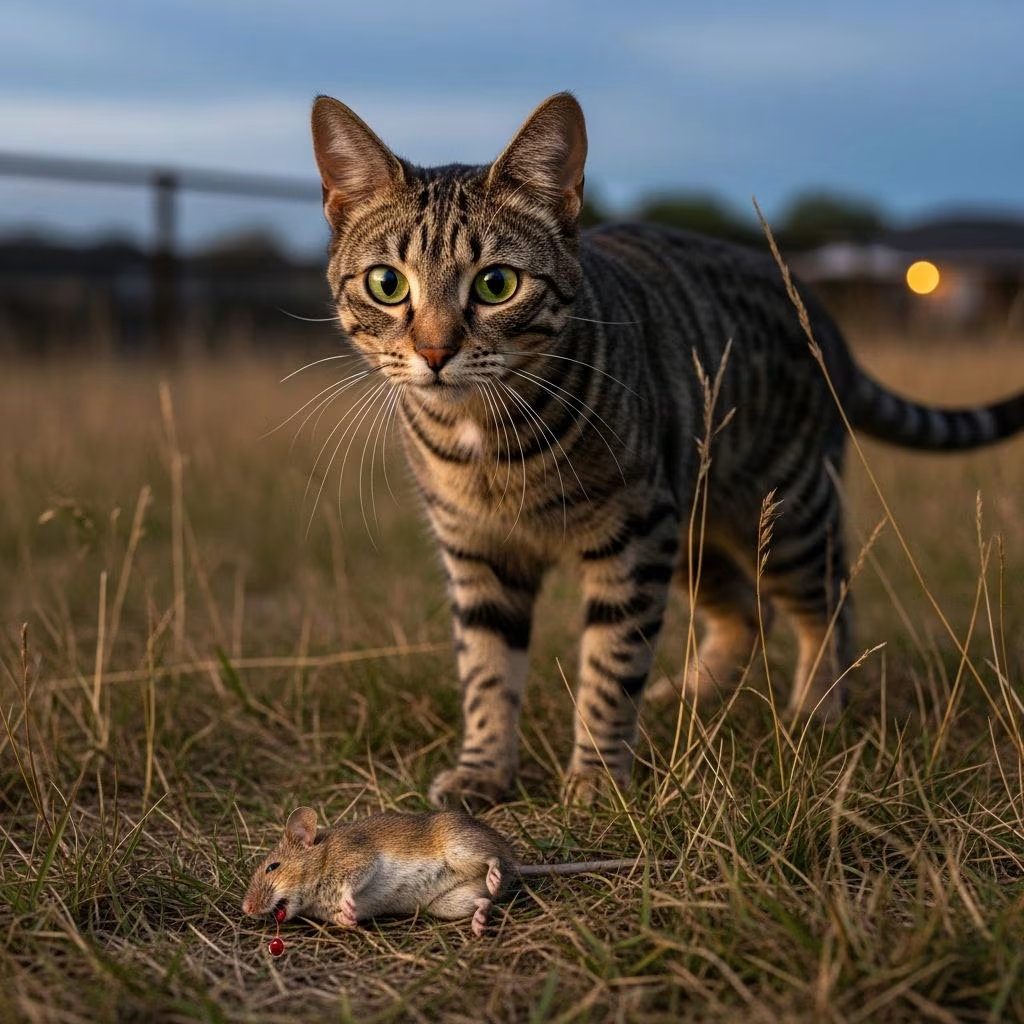
Cats, especially avid hunters and outdoor explorers, face a hidden danger from eating rodents poisoned by rodenticides. This phenomenon, known as secondary or relay poisoning, occurs when a cat ingests a rodent that has consumed toxic bait. While not every instance leads to severe illness, the risk is real, particularly for cats on farms, in rural areas, or those with free-roaming habits. Anticoagulant rodenticides, the most common type, interfere with blood clotting, leading to potentially fatal internal bleeding. Other types like vitamin D3 (cholecalciferol) cause hypercalcemia and organ damage, while bromethalin affects the nervous system. Understanding these risks is crucial for cat owners to protect their pets.
What Is Secondary Poisoning in Cats?
Secondary poisoning, also called relay toxicosis, happens when a predator like a cat eats prey that has ingested rodenticide. Rodents store these toxins in their livers and tissues, passing them on to the cat. Outdoor cats or those living near farms, stables, or vineyards are at higher risk, especially if rodents form a significant part of their diet. For anticoagulant poisons, a cat may need to eat multiple rodents over time for the toxin to accumulate to dangerous levels, as the poison is not immediately lethal in small amounts from a single rodent. Single-feed baits like some anticoagulants or bromethalin pose risks based on the rodent’s bait intake—rats consume more than mice, increasing secondary exposure. This underscores why vigilant monitoring is essential for hunting cats.
Risk factors amplify the danger: smaller or young cats require less toxin for toxicity; frequent hunters accumulate more exposure; and certain environments with heavy rodenticide use heighten chances. Though rare for cats compared to dogs due to their selective eating and lower rodent consumption volume, it’s not negligible—cats may need many poisoned rodents, but repeated exposure builds up.
Types of Rodenticide Poisons Dangerous to Cats
Rodenticides vary in mechanism and danger to cats via secondary exposure. Here’s a breakdown:
- Anticoagulants (e.g., warfarin, brodifacoum): Most common; block vitamin K1 recycling, depleting clotting factors. Cause uncontrolled bleeding 3-7 days post-ingestion. Stored in rodent livers, risky with multiple rodents.
- Vitamin D3 (Cholecalciferol): Elevates blood calcium, mineralizing kidneys, lungs, heart, vessels. Symptoms include lethargy, vomiting, thirst, seizures. Accumulates in rodent tissues.
- Bromethalin: Neurotoxin swelling brain cells. Large doses cause rapid tremors, seizures; small doses delay to weakness, paralysis. Less secondary risk as small rodent doses suffice for rodent death, but cats need more.
- Phosphides: React with stomach acid to release toxic gas, causing rapid vomiting, organ failure. No antidote; intensive care needed. Distinct garlic/fish odor on bait.
Each type demands immediate vet attention, as symptoms overlap but treatments differ.
Symptoms of Rodenticide Poisoning in Cats
Symptoms vary by poison type and delay 1-7 days due to toxin metabolism. Early signs are subtle, escalating to life-threatening.
| Poison Type | Common Symptoms |
|---|---|
| Anticoagulants | Weakness, pale gums, bruising, bloody stools/vomit, breathing difficulty, distended abdomen, collapse |
| Vitamin D3 | Lethargy, vomiting, excessive thirst/urination, tremors, kidney failure |
| Bromethalin | Incoordination, tremors, paralysis, seizures, hyperthermia |
| Phosphides | Severe vomiting/diarrhea (bloody), pain, breathing issues, tremors |
General signs include depression, anorexia, swelling. Neurologic issues from brain bleeding possible. Pale gums signal internal hemorrhage; blood in urine/stools or nosebleeds confirm. If untreated, death ensues from blood loss, organ failure, or seizures.
How Is Rodenticide Poisoning Diagnosed?
Vets diagnose via history (recent hunting, bait nearby), symptoms, and tests. Clotting time (PT/PTT) prolonged in anticoagulants. Blood calcium elevated in vitamin D3; imaging/X-rays detect internal bleeding/calcification. Toxin identification via bait samples, rodent remains, or lab tests on blood/liver challenging due to types. Differential diagnosis rules out trauma, infections. Prompt reporting of exposure aids accuracy.
Treatment for Cats That Eat Poisoned Rodents
Treatment is poison-specific, time-sensitive—early intervention saves lives.
- Anticoagulants: Vitamin K1 therapy (oral/injectable) 3-4 weeks; induced vomiting if recent, activated charcoal. Blood transfusions for severe bleeding; plasma for clotting factors. Monitor 1-2 months.
- Vitamin D3: IV fluids, diuretics, steroids lower calcium; monitor kidneys.
- Bromethalin: No antidote; decontamination, mannitol/fluids reduce brain swelling, anticonvulsants.
- Phosphides: Gastric lavage, anti-gas meds, IV support.
Never induce vomiting at home—risks aspiration, esophageal damage. Hospitalization common for monitoring. Prognosis good if early; poor with organ damage.
Prevention: Keep Your Cat Safe from Poisoned Rodents
Proactive steps minimize risks:
- Use pet-safe rodenticides or traps; snap traps/snakes preferred.
- Secure baits in inaccessible stations.
- Supervise outdoor cats; consider indoor-only for hunters.
- Remove dead rodents promptly.
- Flea/tick preventives; regular deworming for infections.
- Landscaping deters rodents: seal entries, eliminate food/water.
Consult pest control for non-toxic options. Awareness saves lives.
Frequently Asked Questions (FAQs)
Can cats get sick from eating poisoned rodents?
Yes, through secondary poisoning, though rarer in cats requiring multiple exposures.
How long do symptoms take to appear?
1-7 days, depending on type; anticoagulants 3-7 days.
What should I do if my cat eats a poisoned rodent?
Contact vet immediately; don’t wait for symptoms.
Is secondary poisoning common in cats?
Less than dogs; outdoor hunters at risk.
Can all rodenticides poison cats indirectly?
Yes, but anticoagulants most concerning via accumulation.
References
- Anticoagulant Rodenticide Poisoning in Cats — VCA Animal Hospitals. 2023. https://vcahospitals.com/know-your-pet/rodenticide-warfarin-poisoning-in-cats
- Rat Poisoning in Cats — PetMD. 2024. https://www.petmd.com/cat/poisoning/rat-poisoning-cats
- Rat poison intoxication in cats — Joii Pet Care. 2023. https://www.joiipetcare.com/blogs/poisons/rat-poison-intoxication-in-cats
- Cat Poisoning Symptoms and How to Spot It — Cats Protection. 2024. https://www.cats.org.uk/help-and-advice/home-and-environment/poisoning
- Should you be concerned if your pet eats a rat or mouse? — Vetwest. 2023. https://www.vetwest.com.au/pet-library/should-you-be-concerned-if-your-pet-eats-a-rat-or-mouse/



