

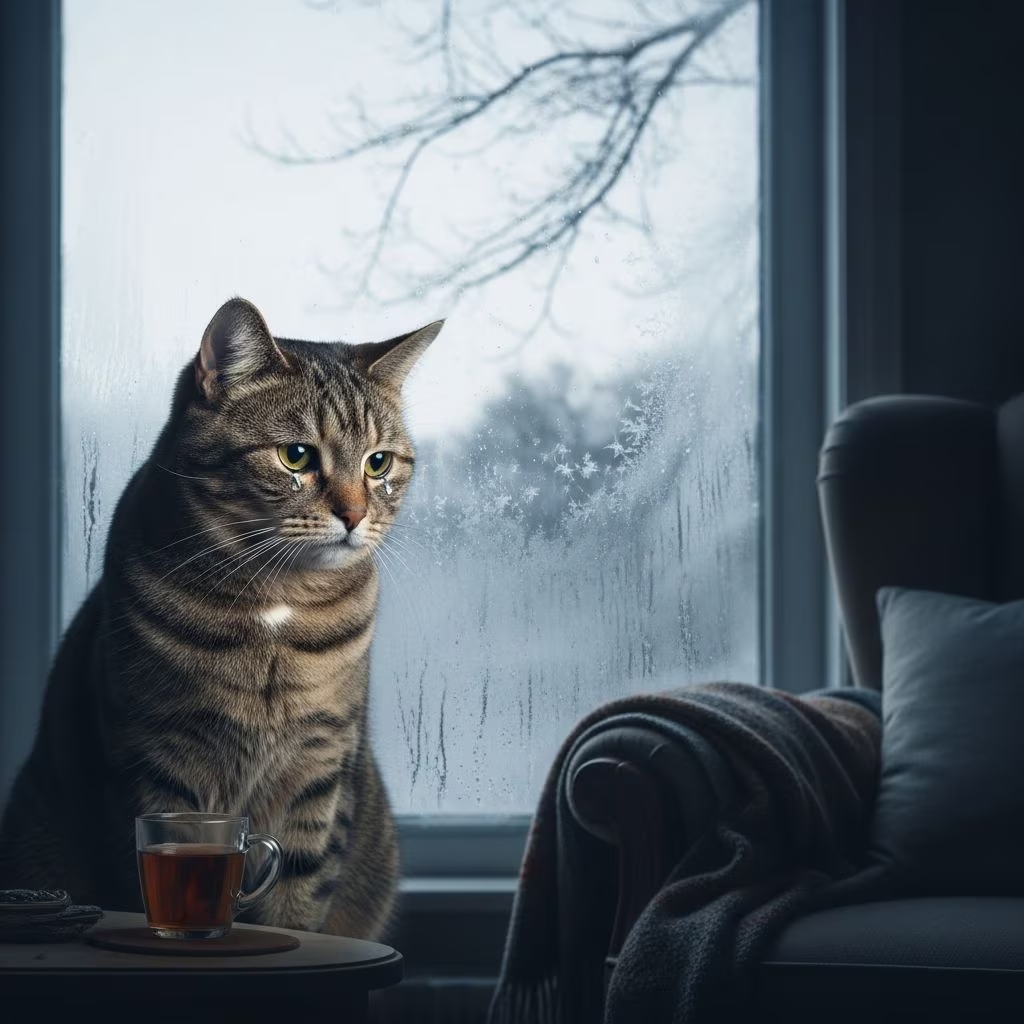
Can Cats Get Seasonal Depression?
As winter approaches and daylight hours diminish, many pet owners notice changes in their cats’ behavior. While seasonal affective disorder (SAD) is well-documented in humans, the question of whether cats experience similar seasonal mood changes remains an area of growing interest among veterinarians and cat behaviorists. Veterinary behaviorist Dr. Leanne Lilly has suggested that cats can indeed experience seasonal depression, though the scientific evidence is still emerging.
Seasonal affective disorder is defined as a type of depression that changes with the seasons, typically beginning in late autumn and continuing through winter before improving as spring and summer arrive. While there isn’t extensive peer-reviewed research specifically documenting SAD in cats, anecdotal evidence from pet owners and veterinary observations suggest that our feline companions may be susceptible to similar seasonal mood fluctuations.
Understanding Seasonal Affective Disorder in Cats
To understand whether cats can experience seasonal depression, it’s helpful to first understand what SAD is in humans. Seasonal affective disorder causes symptoms like low mood, lack of energy, trouble sleeping, irritability, and changes in appetite that are linked to colder temperatures and reduced sunlight exposure. These symptoms emerge during specific seasons and are distinct from chronic depression.
One significant data point comes from a survey conducted by the People’s Dispensary for Sick Animals (PDSA), a veterinary charity in the United Kingdom. The survey found that approximately one-third of cat owners reported that their cats’ moods appeared gloomy or depressed during winter months, with decreased energy levels and increased appetite. While this represents owner observations rather than clinical diagnosis, it suggests a pattern worth investigating.
The Science Behind Seasonal Changes in Cats
Light and Serotonin
The primary mechanism behind seasonal depression involves light exposure and its effects on brain chemistry. Cats are sensitive to changes in light, which influence their circadian rhythms and hormonal balance. Reduced sunlight during winter months causes a decrease in serotonin production—a neurotransmitter that regulates mood and feelings of wellbeing. Without adequate sunlight exposure, both humans and cats experience lower serotonin levels, which can contribute to depressed mood and lethargy.
Melatonin and Sleep Disruption
In addition to serotonin depletion, reduced winter sunlight causes an increase in melatonin production. Melatonin is a hormone that helps regulate sleep patterns and circadian rhythms. While melatonin is essential for healthy sleep, excessive levels can contribute to increased drowsiness, difficulty staying awake during normal activity hours, and mood disturbances. The disruption of normal sleep cycles can compound mood-related issues and contribute to behavioral changes in cats.
Temperature Sensitivity
Temperature drops also play a significant role in seasonal behavioral changes in cats. Lower temperatures make cats more lethargic and less inclined to engage in their usual playful and hunting behaviors, further contributing to signs of depression or withdrawal. Cats may spend more time in warm, secluded spots rather than engaging in their typical active behaviors.
Why Indoor Cats Are More Vulnerable
Indoor cats appear to be at higher risk for experiencing seasonal depression compared to cats with outdoor access. This vulnerability stems from several factors:
- Limited exposure to natural light throughout the day
- Reduced access to outdoor environmental stimulation
- Less opportunity for natural hunting and exploration behaviors
- Increased reliance on artificial lighting, which differs significantly from natural sunlight
- Prolonged periods of confinement during harsh winter weather
Indoor cat enrichment becomes crucial during seasonal transitions, as the lack of regular activity and environmental stimulation can lead to increased cat anxiety and depression. Pet owners must find ways to keep indoor cats engaged and active throughout the colder months to combat these effects.
Recognizing Signs of Seasonal Depression in Cats
Changes in Activity Levels and Sleep Patterns
One of the most noticeable signs of seasonal depression in cats is a significant decrease in activity level and increased sleeping. Cats experiencing seasonal depression may show lethargy, preferring to hide away in secluded areas rather than engage with their environment or their human companions. A cat that normally enjoys exploration may spend most of the day resting in dark corners or on comfortable furniture.
An increase in total sleep time is common, with some cats sleeping significantly more during winter months than during other seasons. This excessive sleep, combined with difficulty staying awake during normal activity hours, can be a clear indication that a cat is struggling with seasonal mood changes.
Appetite and Weight Changes
Changes in appetite are among the most common signs of feline seasonal depression. These changes can manifest in two different ways:
- Decreased appetite: Some cats may eat less and begin to lose weight during winter months
- Increased appetite: Other cats may eat more and gain weight, similar to emotional eating in humans
The decrease in energy combined with increased appetite and sedentary behavior can lead to significant weight gain during colder months, which can cause additional health problems. Monitoring your cat’s eating patterns during seasonal transitions provides early indications of mood disturbances that might need addressing.
Reduced Interest in Play and Social Interaction
A cat that is usually playful and interactive but becomes disinterested in toys or social interactions may be exhibiting depressed behavior. This decline in engagement is especially concerning if it coincides with seasonal changes, suggesting that reduced natural light and colder temperatures are affecting their normal spirited behavior. Cats may ignore toys that previously captured their attention and show little interest in interactive play with their owners.
Changes in Vocalization and Irritability
While some cats become withdrawn during seasonal mood changes, others may become more vocal or even aggressive, signaling distress or discomfort. These vocalization changes may include:
- Excessive meowing: Increased vocalizations can be an attempt to communicate discomfort, loneliness, or unease. Some cats meow excessively to seek attention, while others may do so because they feel disoriented or stressed.
- Hissing or growling: A typically calm cat that begins to hiss or growl unexpectedly may be signaling seasonal distress. These vocalizations often indicate heightened anxiety or feeling threatened.
- Swatting or biting: Cats experiencing seasonal mood shifts may display increased defensive or aggressive behavior, such as swatting or biting, resulting from frustration and lack of stimulation.
Recognizing these signs early on can help cat owners take proactive steps to provide comfort and reassurance during seasonal transitions.
Contributing Factors to Seasonal Depression in Cats
Reduced Physical Activity and Boredom
During colder months, cats often face reduced opportunities for physical activity and play, leading to boredom. This is particularly true for indoor cats, which have fewer environmental stimuli available. Boredom can manifest as a lack of interest in activities that a cat usually enjoys, such as playing with toys or exploring different areas of the home. Without adequate physical and mental stimulation, cats can become restless, irritated, and withdrawn.
Lack of Mental Stimulation
Cats are highly active creatures that need both physical and mental stimulation to thrive. If they don’t receive enough of either, they can become bored and develop depression. The combination of indoor confinement and reduced daylight creates an environment with minimal environmental enrichment, compounding mood-related issues.
Changes in Household Routine
Seasonal changes often result in altered household routines. People spend more time indoors, daylight hours shift dramatically, and outdoor access may be limited by weather conditions. These changes can disrupt a cat’s established routine, causing stress and contributing to behavioral changes.
Solutions and Support Strategies
Increase Natural Light Exposure
One of the most effective strategies for combating seasonal depression in cats is increasing their exposure to natural light. Consider the following approaches:
- Open curtains and blinds during daylight hours to maximize natural light in your home
- Position your cat’s favorite resting spots near windows where they can receive natural light
- Install bird feeders or create outdoor viewing areas near windows to provide visual stimulation alongside light exposure
- Consider using full-spectrum light bulbs or seasonal light therapy lamps designed for pets
Enhance Environmental Enrichment
Providing diverse and engaging environmental enrichment helps combat boredom and stimulate mental activity:
- Rotate toys regularly to maintain novelty and interest
- Provide interactive toys, puzzle feeders, and foraging opportunities
- Create vertical spaces with cat trees and wall-mounted shelves for climbing and exploration
- Set up window perches for bird watching and outdoor observation
- Introduce new textures, sounds, and sensory experiences
Increase Physical Activity
Regular exercise is crucial for maintaining physical health and mental wellbeing during winter months:
- Schedule dedicated play sessions with interactive toys like feather wands or laser pointers
- Encourage hunting-like behaviors with toys that mimic prey movements
- Increase the frequency and duration of play sessions during darker months
- Create opportunities for climbing, jumping, and running
Maintain Consistent Routines
Establishing and maintaining consistent daily routines can help reduce stress and provide stability during seasonal transitions. Regular feeding times, play sessions, and interaction schedules give cats a sense of predictability and security.
Consider Temperature Control
Ensure your home remains comfortable by maintaining appropriate temperatures and providing warm resting spots. Cats appreciate cozy beds, blankets, and heated perches during colder months, which can encourage activity and engagement.
When to Consult a Veterinarian
While seasonal mood changes in cats may be normal, it’s important to consult a veterinarian if you notice significant behavioral changes or if your cat’s condition doesn’t improve with environmental modifications. A veterinarian can rule out underlying medical conditions that might cause similar symptoms, such as arthritis, dental problems, or other illnesses.
Your veterinarian may recommend behavioral interventions, dietary adjustments, or in some cases, medication to support your cat’s mental health during seasonal transitions. They can also provide personalized advice based on your individual cat’s needs and health status.
Frequently Asked Questions
Q: Is seasonal depression in cats scientifically proven?
A: While there isn’t extensive peer-reviewed research on SAD in cats, veterinary behaviorists acknowledge the possibility, and surveys from cat owners suggest seasonal mood changes occur. More scientific study is needed to fully understand the phenomenon.
Q: What’s the difference between normal winter behavior and seasonal depression?
A: Some reduction in activity during winter is normal, but seasonal depression typically involves significant changes in appetite, increased lethargy lasting weeks, withdrawn behavior, and reduced interest in activities the cat normally enjoys.
Q: Are outdoor cats protected from seasonal depression?
A: Cats with outdoor access generally have more exposure to natural light and environmental stimulation, making them less prone to seasonal mood changes. However, extreme weather and temperature changes can still affect outdoor cats’ behavior.
Q: Can I use light therapy for my cat?
A: While light therapy is effective for SAD in humans, its use in cats should be discussed with a veterinarian. Maximizing natural light exposure and creating well-lit environments is a safer, evidence-based approach for cats.
Q: How long does seasonal depression in cats typically last?
A: Seasonal depression typically begins in late autumn or early winter and improves as spring and summer arrive with increased daylight. The duration varies depending on your geographic location and how quickly daylight hours increase.
Q: What should I do if my cat’s behavior doesn’t improve?
A: If your cat’s mood and behavior don’t improve despite environmental changes, consult your veterinarian to rule out underlying medical conditions or determine if additional interventions are needed.
References
- Can Cats Have Seasonal Affective Disorder? — Kinship. Accessed January 2026. https://www.kinship.com/cat-behavior/seasonal-affective-disorder-in-cats
- Winter Blues: Do Cats Get SAD? — Fear Free Happy Homes. Accessed January 2026. https://www.fearfreehappyhomes.com/winter-blues-do-cats-get-sad/
- Seasonal Depression in Cats – Signs & Help — KittyLawn. Accessed January 2026. https://kittylawn.com/blogs/news/do-cats-get-seasonal-depression-signs-your-cat-is-sad-and-how-to-help
- Does my cat have seasonal depression? — Argos Pet Insurance. Accessed January 2026. https://www.argospetinsurance.co.uk/we-talk-pet/does-my-cat-have-seasonal-depression/
- Do cats suffer from seasonal depression? — Joii Pet Care. Accessed January 2026. https://www.joiipetcare.com/blogs/advice/do-cats-suffer-from-seasonal-depression
- Do Cats Get Seasonal Depression? — Blue Cross. Accessed January 2026. https://www.bluecross.org.uk/advice/cat/wellbeing-and-care/do-cats-get-seasonal-depression
- Can Dogs and Cats Get Seasonal Depression? What You Need to Know — Chewy. Accessed January 2026. https://www.chewy.com/education/cat/health-and-wellness/winter-is-coming-what-you-need-to-know-about-seasonal-depression-in-pets
- Is Your Cat Sad? Signs & Causes of Cat Depression — Eastgate Animal Hospital. Accessed January 2026. https://www.eastgateanimalhospital.com/site/blog/2023/11/15/cat-sad-depression



