

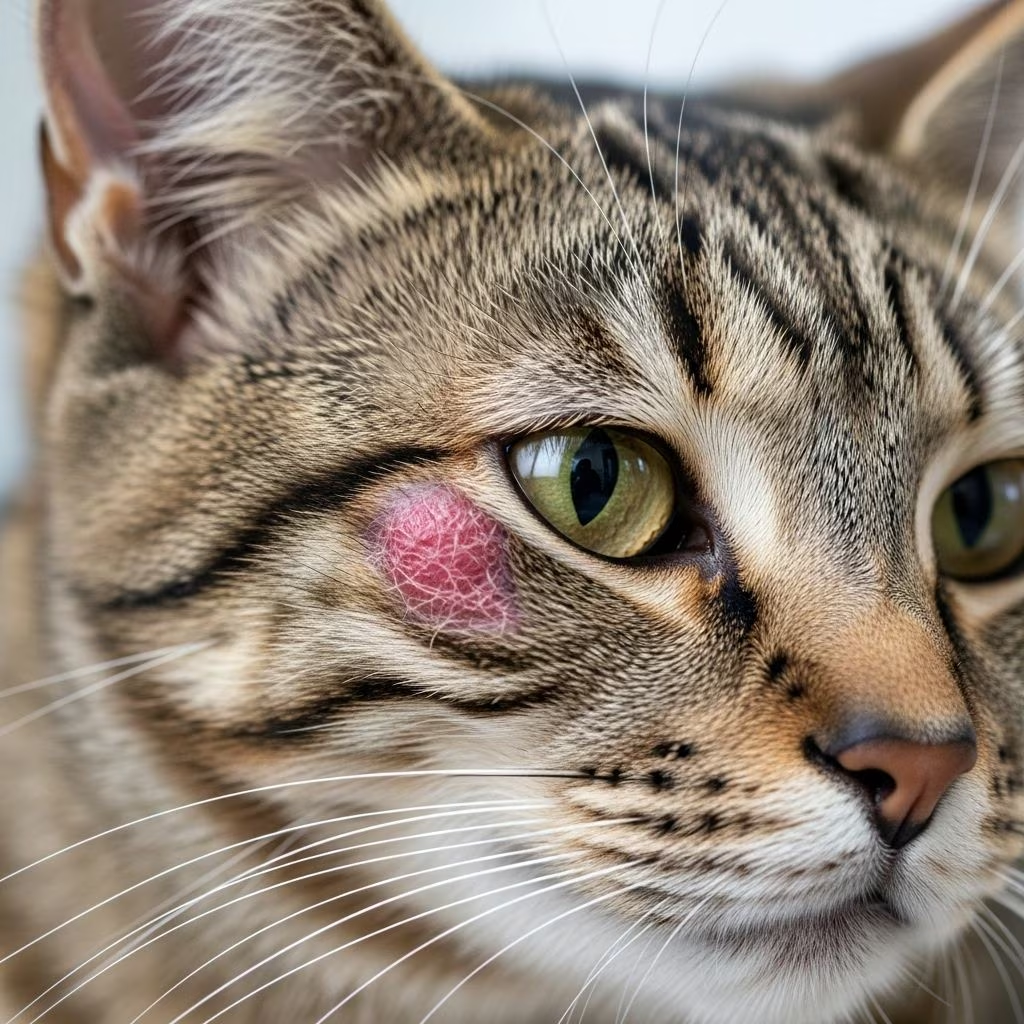
Can Cats Get Ringworm? A Complete Guide
Yes, cats can definitely get ringworm, and it is one of the most common fungal infections affecting feline skin and fur. Despite its misleading name, ringworm is not caused by a worm at all but rather by a fungus. This infection is particularly concerning for cat owners because it can spread to humans and other pets in the household. Understanding the basics of feline ringworm is essential for any responsible pet parent, as early detection and treatment can significantly reduce discomfort and prevent transmission.
What Is Ringworm in Cats?
Ringworm, medically known as dermatophytosis, is a fungal infection that affects the skin, hair, and nails of cats. The infection gets its colloquial name from the ring-shaped lesions it often creates on an infected cat’s skin, though not all ringworm infections produce this characteristic appearance. The condition is caused by microscopic fungi that feed on keratin, the protein found in hair, skin, and nails. The most common fungal species responsible for feline ringworm is Microsporum canis, though other species can also infect cats.
How Do Cats Get Ringworm?
Cats can contract ringworm through direct contact with infected animals or contaminated environments. The spores of ringworm fungi are highly contagious and can survive on surfaces, bedding, grooming tools, and other objects for extended periods. An infected cat sheds fungal spores continuously, making transmission to other animals and humans relatively easy without proper precautions. Outdoor cats are at higher risk of exposure compared to indoor cats, but indoor cats can still acquire the infection if they come into contact with contaminated materials or infected animals.
Symptoms and Signs of Ringworm in Cats
Recognizing the signs of ringworm is crucial for early intervention. Common symptoms include:
- Circular patches of hair loss or alopecia on the head, ears, legs, or body
- Scaly or crusted patches on the skin
- Red or inflamed skin in affected areas
- Brittle or broken hair that pulls out easily
- Excessive itching or scratching
- Nail deformities or thickened claws
- Greasy or dull-looking coat
- Small pustules or bumps on the skin
Some cats may show minimal symptoms while still carrying and shedding the fungus, making them silent carriers that can unknowingly transmit the infection to other animals and people. This is particularly important for multi-cat households and families with young children or immunocompromised individuals.
Diagnosis of Feline Ringworm
Diagnosing ringworm in cats typically involves several methods to identify the specific fungal species responsible. Your veterinarian may use a Wood’s lamp (ultraviolet light) examination, though this is not always definitive as only certain fungal species glow under this light. The most reliable diagnostic method is a fungal culture, where hair or skin samples are collected and cultured in a laboratory over several weeks to identify the specific fungus causing the infection. This confirmation is essential because it guides treatment decisions and helps determine the duration of therapy needed.
Treatment Options for Ringworm in Cats
Treating feline ringworm requires a comprehensive approach combining multiple treatment modalities for best results.
Topical Treatment
Topical therapy is often the first line of defense against ringworm and involves applying antifungal medications directly to affected areas. Available topical treatments include medicated shampoos, ointments, and creams. The most commonly recommended topical agents contain miconazole and chlorhexidine, which have shown good efficacy in treating cats with ringworm. Other options include terbinafine (Lamisil®) and clotrimazole (Otomax®, Otibiotic®).
For more severe infections affecting larger body areas, veterinarians often recommend full-body dips or rinses. Lime sulfur dips are particularly effective and safe, though they have a distinctive odor resembling rotten eggs and may temporarily stain light-colored fur yellow. Enilconazole rinses are another recommended option for twice-weekly body treatments.
It is important to note that topical treatment alone is often insufficient for complete eradication of ringworm. Many cats dislike being bathed or having creams applied, which can make compliance challenging. However, topical therapy must be continued for several weeks to several months to be effective.
Oral Medication
In most cases of feline ringworm, effective treatment requires oral antifungal medications. The most commonly prescribed oral medications are itraconazole and terbinafine. Itraconazole is currently the preferred medication in feline dermatophytosis as it is well-tolerated by cats and highly effective. Terbinafine is also very effective when administered orally at 30-40 mg/kg once daily.
Treatment with oral medications typically lasts a minimum of six weeks, though some cases require longer therapy. Your veterinarian may recommend a pulse therapy protocol where medication is given for one week, followed by one week without treatment, repeated over five weeks, which can be equally effective while reducing treatment costs. The response to treatment varies among individual cats, and therapy should not be stopped prematurely as the infection may recur.
Combination Therapy
The most effective approach to treating ringworm in cats combines both topical and systemic (oral) medications. This dual approach addresses the infection from multiple angles, treating the fungus both on the skin surface and throughout the body. The combination is particularly important for generalized infections, long-haired breeds, or cases involving multiple cats.
Treatment protocols typically include:
- Oral antifungal medication (itraconazole or terbinafine)
- Twice-weekly body rinses with enilconazole or lime sulfur
- Adjuvant daily or every-other-day topical focal therapy
- Complete environmental decontamination
Environmental Decontamination
A critical component of ringworm treatment that is often overlooked is environmental decontamination. Ringworm spores can survive in the environment for extended periods, so thorough cleaning is essential. This includes:
- Washing all bedding, blankets, and soft furnishings in hot water
- Vacuuming carpets and upholstered furniture regularly
- Disinfecting hard surfaces with dilute bleach solution
- Cleaning litter boxes, food bowls, and water dishes daily
- Treating less accessible areas with specialized fungicidal sprays
- Sanitizing grooming tools, brushes, and combs
Without proper environmental management, reinfection is likely even after successful medical treatment.
Duration of Treatment
One of the most important aspects of ringworm treatment is understanding that it requires patience and persistence. Cats should be treated not only until lesions disappear but until the dermatophyte can no longer be cultured from hair samples. Treatment typically requires at least 10 weeks of combined systemic and topical therapy, with some cases requiring longer durations. Many owners are tempted to stop treatment prematurely when visible lesions improve, but premature discontinuation often results in recurrence of the infection.
Will Ringworm Go Away on Its Own?
While ringworm can technically resolve on its own without treatment, the process typically takes months. During this extended period, the infected cat continues to shed fungal spores, creating a risk of transmission to other household pets and human family members. Additionally, untreated ringworm causes discomfort and itching for the affected cat. Prompt medical treatment significantly accelerates recovery, relieves the cat’s symptoms, and reduces the transmission risk to others in the home.
Prevention of Ringworm in Cats
Preventing ringworm is preferable to treating it. Several measures can reduce the risk of your cat contracting ringworm:
- Minimize contact with stray or unknown cats that may carry ringworm
- Maintain good hygiene practices, especially after handling other animals
- Keep your cat indoors to reduce exposure to infected animals
- Ensure your cat’s living environment is clean and dry
- Use separate grooming tools, bedding, and food bowls for each cat in multi-cat households
- Strengthen your cat’s immune system through proper nutrition and veterinary care
- Isolate any newly adopted cats for a period to screen for fungal infections
- Consider fungal cultures for new cats before introducing them to established pets
It is important to note that currently available vaccines for cats against ringworm are neither safe nor efficient, and the ABCD (Advisors in Feline Medicine) does not recommend their use.
Ringworm and Human Health
One of the most important reasons to treat feline ringworm promptly is its zoonotic potential—the ability to spread from animals to humans. Ringworm can be transmitted to human family members through direct contact with an infected cat or contaminated surfaces. Certain populations, including young children, elderly individuals, and those with weakened immune systems, are at higher risk for infection. Good hygiene practices, such as handwashing after handling an infected cat and avoiding direct skin contact with lesions, can help prevent human infection.
When to Contact Your Veterinarian
If you notice any signs of ringworm in your cat, schedule an appointment with your veterinarian promptly. Early diagnosis and treatment lead to better outcomes and reduced transmission risk. You should also contact your veterinarian if:
- Your cat is showing signs of hair loss or skin lesions
- Your cat is excessively scratching or grooming
- Current treatment does not seem to be working
- You or family members develop suspicious skin lesions
- You have multiple cats and want to prevent spread
Frequently Asked Questions
Q: How long does ringworm treatment take in cats?
A: Most cats require at least six to ten weeks of combined systemic and topical treatment, with some cases requiring several months or longer depending on the severity of infection and individual cat response.
Q: Can I get ringworm from my cat?
A: Yes, ringworm is contagious to humans. Direct contact with an infected cat or contaminated surfaces can transmit the fungus. Practicing good hygiene, including handwashing and avoiding direct contact with lesions, helps prevent transmission.
Q: Is ringworm painful for cats?
A: While ringworm itself may not be severely painful, it causes itching, discomfort, and can lead to secondary bacterial infections if the cat scratches excessively. Treatment relieves these uncomfortable symptoms.
Q: Can topical treatment alone cure ringworm?
A: Topical treatment alone is rarely sufficient for complete eradication of ringworm, particularly in cases with extensive involvement. Combination therapy with both topical and oral medications is typically necessary for successful treatment.
Q: What is lime sulfur dip and is it safe?
A: Lime sulfur is an antifungal solution commonly used as a dip treatment for cats with ringworm. It is safe and effective, though it has an unpleasant odor and may temporarily stain light-colored fur yellow.
Q: How can I prevent my cat from licking off topical medication?
A: Apply medication during feeding time or playtime when your cat is distracted. Offer treats to discourage grooming and licking off the medication. If necessary, use an Elizabethan collar to prevent access to treated areas.
References
- Ringworm in Cats: Symptoms & Treatment — Vets4Pets. https://www.vets4pets.com/pet-health-advice/cat-advice/ringworm-in-cats/
- Ringworm in Cats: Signs, Symptoms, Treatment — UrgentVet. https://urgentvet.com/ringworm-in-cats-signs-symptoms-treatment/
- Ringworm in Cats — VCA Animal Hospitals. https://vcahospitals.com/know-your-pet/ringworm-in-cats
- GUIDELINE for Dermatophytosis, Ringworm in Cats — ABCD Cats & Vets. https://www.abcdcatsvets.org/guideline-for-dermatophytosis-ringworm-in-cats/
- Ringworm: A Serious but Readily Treatable Affliction — Cornell Feline Health Center. https://www.vet.cornell.edu/departments-centers-and-institutes/cornell-feline-health-center/health-information/feline-health-topics/ringworm-serious-readily-treatable-affliction
- Cat Ringworm: Signs, Spread, Diagnosis, Treatment — Best Friends Animal Society. https://bestfriends.org/pet-care-resources/cat-ringworm-signs-spread-diagnosis-treatment
- What Is Ringworm in Cats? Symptoms and Treatment — GoodRx Pet Health. https://www.goodrx.com/pet-health/cat/ringworm-in-cats



