

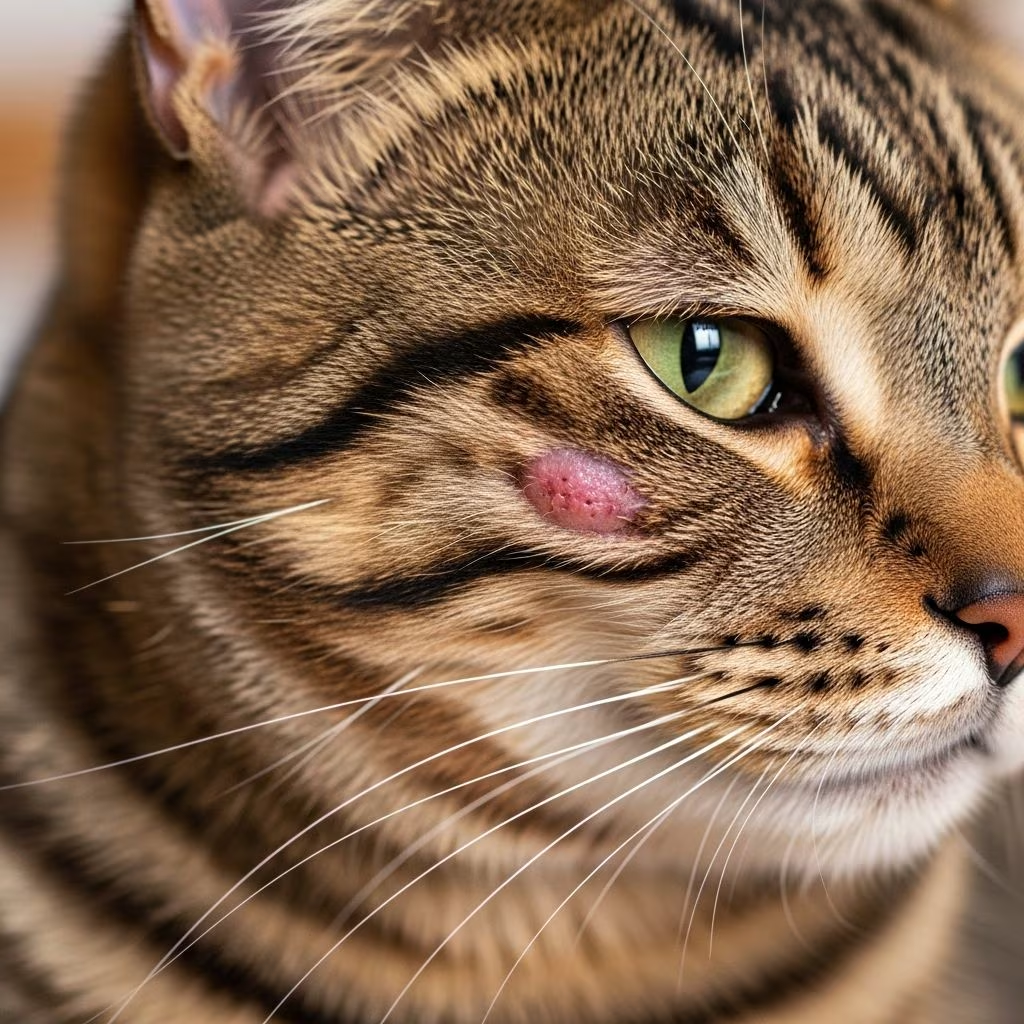
Cats can indeed develop razor burn, a form of skin irritation that arises after shaving or clipping their fur. This condition manifests as redness, swelling, and itchiness in the shaved area, typically resolving in hours to days, though severe cases may require veterinary intervention to prevent infection.
What Is Razor Burn?
Razor burn in cats refers to the inflammation and irritation of the skin following the removal of fur via clippers or razors. It occurs due to friction from the blades, especially on sensitive skin, leading to symptoms like localized redness, mild swelling, and intense itching. In mild instances, these signs fade within a few hours, but more pronounced cases can persist for several days. Rarely, the irritation escalates to infection, necessitating antibiotics. Unlike humans, cats’ skin reacts similarly but is compounded by their grooming habits, which can worsen the issue through licking.
The condition is not unique to cats; dogs experience it too, often from dull blades or repeated passes over sensitive areas like the belly or hindquarters. Breeds with thinner or more sensitive skin, such as certain long-haired varieties, are particularly prone.
The 8 Reasons Cats Get Shaved
Shaving a cat’s fur is not a routine grooming practice but is sometimes essential for health or hygiene reasons. Understanding these triggers helps owners anticipate potential razor burn and prepare accordingly. Here are the primary eight reasons:
- Matted Fur: Long-haired breeds like Persians and Maine Coons frequently develop painful mats that combing cannot resolve. Shaving removes these tangles, preventing skin ulcers and infections beneath.
- Medical Procedures: Surgeries, IV placements, or blood draws require sterile patches, often on legs or necks, shaved by veterinarians.
- Skin Conditions: Issues like dermatitis or fungal infections benefit from fur removal, allowing better access for medicated treatments and faster recovery.
- Allergies: Allergic reactions cause excessive scratching and licking; shaving affected zones under veterinary guidance aids medication application and reduces self-trauma.
- Hygiene Issues: Obese, arthritic, or mobility-impaired cats struggle with self-grooming, leading to soiled hindquarters. Targeted shaving maintains cleanliness and averts infections.
- Diagnostic Imaging: Procedures like ultrasounds, MRIs, or CT scans necessitate small shaved areas for accurate sensor contact, a common veterinary practice.
- Parasite Treatment: Fleas, mites, or lice infestations may require clipping to apply topical parasiticide effectively and monitor skin healing.
- Behavioral Grooming Challenges: Overgrooming from stress or anxiety can create hotspots; shaving provides a clean slate for behavioral interventions.
Each scenario underscores that shaving is a last resort, performed with sharp tools and minimal passes to reduce irritation risk.
The 5 Ways You Can Help a Cat That Has Razor Burn Due to Being Shaved
Addressing razor burn promptly prevents escalation. Always prioritize veterinary consultation, as home care must align with professional assessment. Here are five proven strategies:
- Consult With a Veterinarian: Seek expert evaluation to gauge severity—whether skin is intact, weeping, or infected. Vets may advise against cleaning if moisture exacerbates issues and recommend tailored plans. Online services like tele-vet platforms offer quick access if in-person visits are challenging.
- Avoid Further Grooming: Pause all brushing or combing in the area to allow healing. Use an Elizabethan collar to deter licking, which introduces bacteria and delays recovery.
- Apply a Topical Soothing Agent: Vet-approved, cat-safe options like antibiotic ointments, aloe vera gel, or anti-itch sprays hydrate and calm the skin. Apply thinly, avoiding human products with toxic ingredients.
- Monitor for Signs of Infection: Watch for worsening redness, pus, heat, or foul odor. Early detection ensures timely antibiotics, preventing abscesses.
- Follow the Veterinarian’s Recommendations: Adhere to prescribed regimens, including cool compresses for inflammation reduction or moisturizers for dryness. Patience is key, as regrowth typically masks the area within weeks.
Additional home aids include cool compresses (clean cloth in cool water, applied gently for 5-10 minutes) and fragrance-free moisturizers, but only post-vet approval. Avoid irritants like scented shampoos.
Preventing Razor Burn in Cats
Proactive steps minimize shaving needs and irritation risks. Regular brushing prevents mats in long-haired cats, using wide-toothed combs for detangling. Invest in high-quality clippers with sharp, sanitized blades, and opt for professional groomers experienced with felines. For medical shaves, request single-use blades. Sensitive-skin cats benefit from cooling gels pre-shave and post-care moisturizers. Maintain overall skin health via balanced diets rich in omega-3s, reducing allergy proneness.
| Severity | Symptoms | Duration | Treatment |
|---|---|---|---|
| Mild | Slight redness, minor itch | Hours to 1-2 days | Monitor, collar if licking |
| Moderate | Swelling, persistent itch | 2-5 days | Topicals, vet consult |
| Severe | Infection signs (pus, fever) | Weeks if untreated | Antibiotics, professional care |
Frequently Asked Questions (FAQs)
Can all cats get razor burn?
Yes, though more common in sensitive-skinned or long-haired breeds. Even careful shaving can irritate due to friction.
How long does cat razor burn last?
Mild cases resolve in 1-2 days; severe ones up to a week with treatment.
Is aloe vera safe for cats with razor burn?
Pure aloe vera gel can soothe, but confirm with a vet to avoid ingestion toxicity.
Should I shave my cat at home?
Only if experienced; professionals use better tools, reducing burn risk.
Does cat fur grow back after shaving?
Yes, typically within 4-8 weeks, though texture may vary temporarily.
Understanding Related Skin Issues
Razor burn mimics other feline dermatoses like chemical burns or allergies, with overlapping symptoms: hair loss, crusting, and excessive grooming. Differentiate via vet exam; allergies often involve ears or paws. Preventive grooming and flea control are foundational.
In summary, while unavoidable in some cases, razor burn is manageable with vigilance and vet guidance. Prioritize prevention through routine care to keep your cat’s skin healthy and irritation-free.
References
- Can Cats Get Razor Burn? Vet-Reviewed Care Facts — Catster. 2023-10-15. https://www.catster.com/cat-health-care/can-cats-get-razor-burn/
- Razor Burn in Dogs: Everything You Need to Know — Sage Veterinary. 2023-05-20. https://www.sageveterinary.com/blog/razor-burn-in-dogs-everything-you-need-to-know
- Skin Conditions in Cats: Types, Symptoms, and Treatment — PetMD. 2024-02-10. https://www.petmd.com/cat/general-health/skin-conditions-in-cats
- Chemical Burns in Cats – Symptoms, Causes, Diagnosis, Treatment — WagWalking. 2023-08-05. https://wagwalking.com/cat/condition/chemical-burns
- Clipper Burn — Groomers Gallery. 2022-11-12. https://groomersgallery.com/animal-health-post/clipper-burn/



