

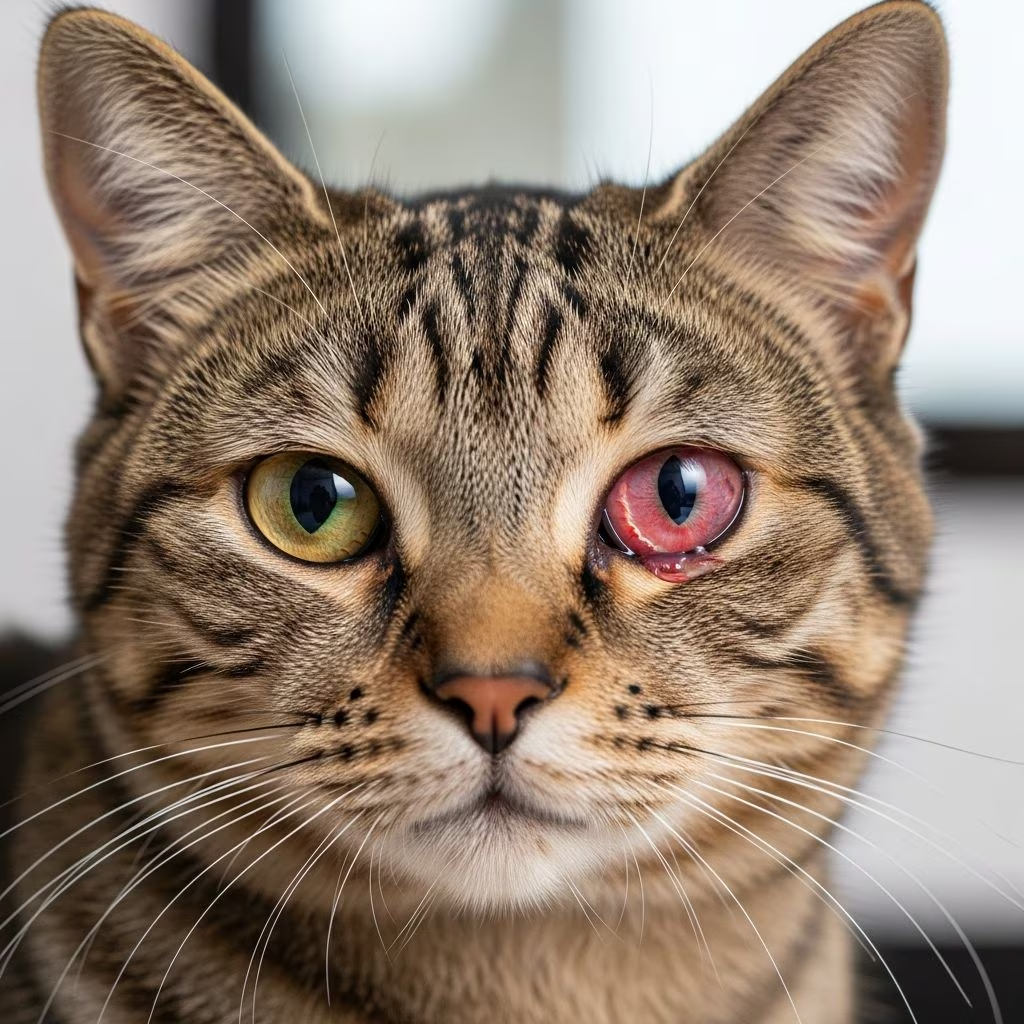
Yes, cats can get pink eye, medically known as conjunctivitis, a common inflammation of the eye’s conjunctiva—the thin, transparent membrane covering the inner eyelids and sclera. This condition affects cats of all ages, often causing discomfort and requiring prompt veterinary attention to prevent complications like corneal ulcers.
What Is Pink Eye in Cats?
Pink eye in cats, or feline conjunctivitis, occurs when the conjunctiva becomes inflamed, leading to redness, swelling, and discharge. Unlike in humans, where bacterial infections dominate, cat pink eye is frequently viral, particularly from feline herpesvirus type 1 (FHV-1), or bacterial, allergic, or irritant-related. The condition can affect one or both eyes and is highly contagious in multi-cat environments like shelters.
Conjunctivitis is not a standalone disease but a symptom of underlying issues. It signals the body’s response to pathogens, allergens, or trauma, making accurate diagnosis essential for effective treatment.
Symptoms of Pink Eye in Cats
Recognizing pink eye symptoms early improves outcomes. Common signs include:
- Redness and swelling around the eyes and pink eye rims.
- Discharge: Clear, watery at first, progressing to thick yellow, green, or cloudy pus-like material.
- Squinting or blinking excessively due to pain and light sensitivity (photophobia).
- Visible third eyelid (nictitating membrane) protruding over the eye.
- Excessive tearing or watery eyes.
- Pawing at eyes or rubbing against surfaces, risking further injury.
These symptoms often accompany upper respiratory infections, especially with FHV-1, including sneezing, nasal discharge, and fever. Kittens and stressed cats in catteries are particularly vulnerable.
Causes of Conjunctivitis in Cats
Multiple factors trigger feline conjunctivitis. Understanding the cause guides treatment:
- Viral infections: FHV-1 (feline herpesvirus) is the most common, causing 80-90% of cases in multi-cat settings. Feline calicivirus (FCV) also contributes.
- Bacterial infections: Chlamydia felis, Mycoplasma, or Staphylococcus, often secondary to viral issues.
- Allergies: Environmental allergens like pollen or dust cause itchy, watery eyes.
- Irritants or trauma: Chemicals, smoke, foreign bodies (e.g., plant material), or scratches.
- Underlying diseases: Eosinophilic keratoconjunctivitis, dry eye (keratoconjunctivitis sicca), or systemic issues like FeLV/FIV.
In kittens, neonatal conjunctivitis from birth canal bacteria is common if eyelids don’t separate properly by 10-14 days.
Diagnosis of Cat Pink Eye
Veterinarians diagnose conjunctivitis through a comprehensive eye exam using tools like fluorescein stain to detect ulcers, Schirmer tear tests for dry eye, and tonometry for glaucoma. Swabs for cytology, culture, or PCR identify pathogens like FHV-1 or bacteria. Blood tests rule out systemic diseases.
Early diagnosis prevents complications such as corneal sequestration or ulcers, which may require surgery.
Treatment for Pink Eye in Cats
Treatment targets the underlying cause, relieves pain, and prevents secondary infections. Most cases resolve in 7-14 days with proper care.
| Treatment Type | Examples | Purpose |
|---|---|---|
| Topical antibiotics | Terramycin, Tobramycin, NeoPolyDex | Fight bacterial infections |
| Antivirals | Famciclovir (oral), topical for herpes | Manage FHV-1 flare-ups |
| Anti-inflammatories | Prednisone acetate, Tacrolimus | Reduce swelling and pain |
| Supportive care | Warm compresses, e-collars | Clean discharge, prevent scratching |
Administer eye medications 2-6 times daily; ointments last longer but blur vision temporarily. Complete the full course to avoid relapse. For severe cases, oral antibiotics or hospitalization may be needed.
Recovery and Management
Simple cases clear in 7-10 days, but herpesvirus carriers experience lifelong flare-ups triggered by stress or illness. Monitor for worsening symptoms; follow-up exams ensure healing.
Complications like ulcers heal with surgery if needed. Immune-mediated cases require longer therapy.
How to Prevent Pink Eye in Cats
Prevention focuses on hygiene, stress reduction, and immunity support:
- Vaccinations: Core vaccines against FHV-1 and FCV reduce severity.
- Supplements:
- L-Lysine (VetriScience) inhibits herpes replication.
- Probiotics like FortiFlora boost gut health and immunity.
- Hyaluronate lubricants (OphtHAvet) maintain tear film.
- Stress management: Feliway diffusers, Thundershirts, or Prozac for anxious cats.
- Hygiene: Limit cats per household, clean environments, isolate sick cats.
Multi-cat homes benefit from routine deworming and flea control to minimize immune stress.
When to See a Vet for Cat Pink Eye
Seek immediate veterinary care if symptoms persist beyond 24-48 hours, worsen, or include vision loss, deep corneal involvement, or systemic signs. Delaying risks permanent damage.
Never self-treat with human medications, as they can harm cats.
Frequently Asked Questions (FAQs)
Can cats get pink eye from humans?
No, feline conjunctivitis is species-specific; human pink eye viruses/bacteria don’t transmit to cats.
Is cat pink eye contagious?
Yes, especially viral and bacterial forms spread via direct contact or shared items. Isolate affected cats.
How long does pink eye last in cats?
Typically 7-14 days with treatment; untreated or chronic cases may recur.
Can I treat cat pink eye at home?
Cleaning with warm compresses helps, but vet-prescribed medications are essential. Avoid over-the-counter remedies.
Why does my cat keep getting pink eye?
Latent herpesvirus reactivates with stress; supplements and stress reduction prevent flare-ups.
References
- Conjunctivitis in Cats (Cat Pink Eye) — PetMD. 2023. https://www.petmd.com/cat/conditions/eyes/c_ct_conjunctivitis
- Kitty Pink Eye!? How to Treat Your Cat’s Conjunctivitis — Creekside Veterinary Hospital. 2023. https://thecreeksidevet.com/news/kitty-pink-eye-how-to-treat-your-cats-conjunctivitis
- Conjunctivitis In Cats: Symptoms, Treatment, and More — Bond Vet. 2023. https://bondvet.com/blog/conjunctivitis-in-cats
- Conjunctivitis in Cats: A Comprehensive Guide for Pet Owners — MedVet. 2023. https://www.medvet.com/conjunctivitis-in-cats/
- How to Recognize and Treat Cat Conjunctivitis — Zoetis Petcare. 2023. https://www.zoetispetcare.com/blog/article/how-to-treat-cat-conjunctivitis
- Conjunctivitis in Cats — VCA Animal Hospitals. 2023. https://vcahospitals.com/know-your-pet/conjunctivitis-in-cats



