

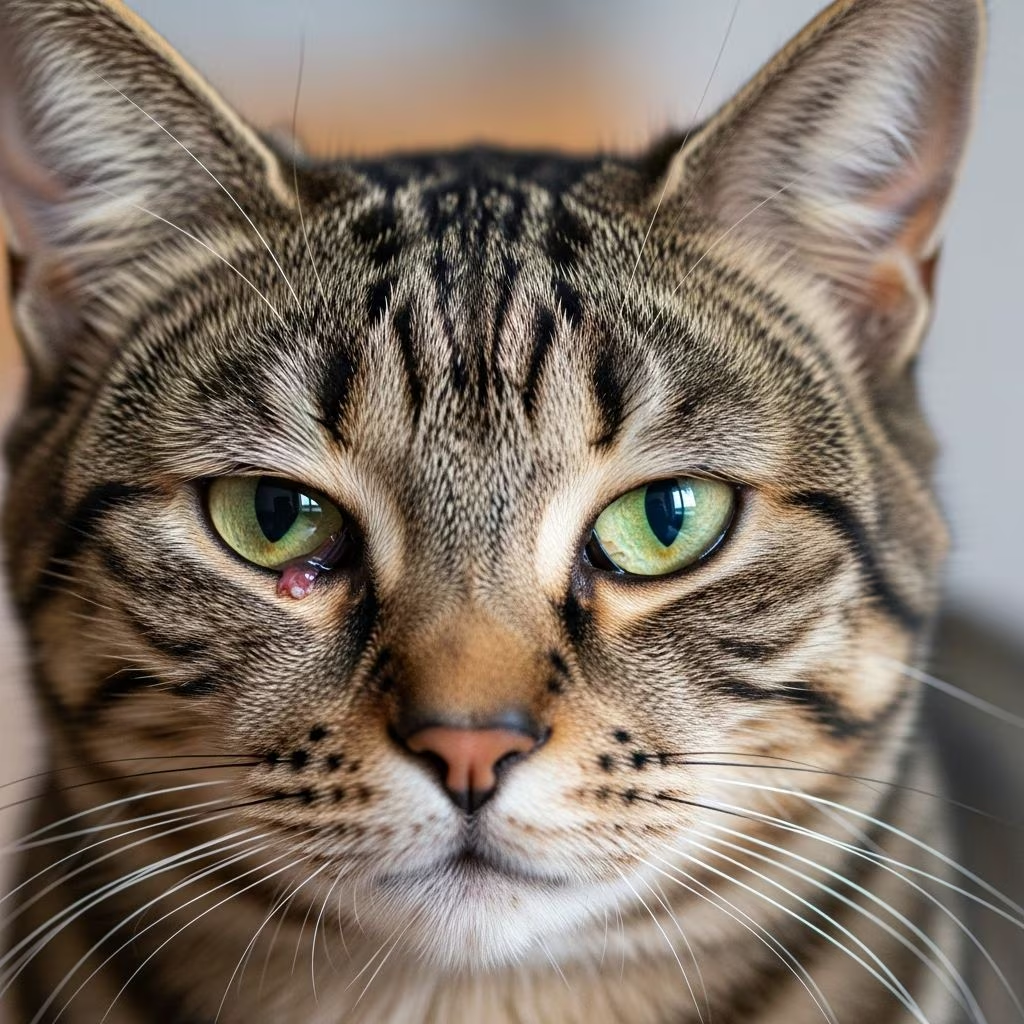
Cats can indeed get pink eye, medically known as **conjunctivitis**, which is inflammation of the conjunctiva—the thin, transparent membrane covering the white part of the eye and inner eyelids. This common condition affects cats of all ages, causing discomfort, redness, and discharge, often resembling human pink eye. Prompt veterinary care is crucial to address underlying causes like viruses or bacteria and prevent complications such as corneal ulcers or vision loss.
What Is Pink Eye in Cats?
Pink eye in cats, or feline conjunctivitis, occurs when the conjunctiva becomes inflamed and irritated. It can affect one or both eyes, leading to visible redness (hence “pink eye”), swelling, and excessive tearing or discharge. Unlike humans, where bacterial infections dominate, cats’ pink eye is most often viral, particularly from feline herpesvirus-1 (FHV-1). The condition ranges from mild irritation to severe, painful infections requiring immediate treatment.
The conjunctiva protects the eye and keeps it lubricated. When inflamed, it swells, produces excess mucus or pus, and may cause the third eyelid (a protective membrane) to protrude. Kittens in shelters or multi-cat homes are especially vulnerable due to close contact and stress.
Symptoms of Pink Eye in Cats
Recognizing symptoms early helps ensure timely intervention. Common signs include:
- Redness and swelling: The whites of the eyes turn pink or red, with puffy eyelids.
- Discharge: Clear, watery tears progressing to thick, yellow, green, or bloody mucus.
- Squinting or blinking: Cats paw at eyes, keep them partially closed, or rub against surfaces due to pain.
- Third eyelid visible: A hazy membrane covers part of the eye.
- Light sensitivity: Avoiding bright light or hiding.
- Other signs: Lethargy, nasal discharge, sneezing (indicating upper respiratory infection, URI), hair loss around eyes, or itchiness.
Symptoms often worsen in one eye before spreading, signaling infectious causes. Severe cases may lead to corneal ulcers, cloudiness, or permanent scarring if untreated.
Causes of Conjunctivitis in Cats
Feline pink eye stems from infectious agents, irritants, allergies, or systemic issues. Understanding the root cause guides effective treatment.
Viral Infections
Viruses cause most cases, with **FHV-1** (feline herpesvirus) being primary, especially in chronic or recurrent episodes. It hides in nerve cells, reactivating under stress, illness, or weaning in kittens. Other viruses include calicivirus. Viral conjunctivitis often accompanies URI symptoms and is highly contagious in multi-cat environments.
Bacterial Infections
Bacteria like **Chlamydophila felis**, Mycoplasma, Bartonella, or Pseudomonas can primary infect or secondary-invade viral cases. C. felis is zoonotic, transmissible to immunocompromised humans via close contact. Bacterial discharge is typically thick and pus-like.
Immune-Mediated Conditions
Rarely, the immune system attacks the eye: **Eosinophilic conjunctivitis** involves white blood cell infiltration (linked to FHV-1); **lipogranulomatous conjunctivitis** features fat deposits on eyelids. These cause persistent inflammation without infection.
Allergies and Irritants
Environmental allergens (pollen, dust, mites) or food sensitivities trigger itchy, watery eyes. Irritants include smoke, chemicals, dust, grass seeds, or inward-growing eyelashes (entropion in long-haired breeds). Trauma or foreign bodies exacerbate issues.
Underlying Diseases
Conditions like FIV, FeLV, dry eye (keratoconjunctivitis sicca), eyelid tumors, or glaucoma predispose cats to conjunctivitis.
Diagnosis of Cat Pink Eye
Vets perform a full ophthalmic exam using fluorescein dye to detect ulcers, Schirmer tear tests for dry eye, and tonometry for pressure. Swabs for cytology, culture, or PCR identify pathogens like FHV-1 or bacteria. Blood tests rule out systemic diseases. Accurate diagnosis prevents mis-treatment and recurrence.
Treatment for Pink Eye in Cats
Treatment targets the cause, relieves pain, and resolves infection. Never use human OTC drops, as they can worsen damage.
- Topical antibiotics: Ointments like terramycin, tobramycin, or NeoPolyDex for bacteria.
- Antivirals: Oral famciclovir for severe FHV-1.
- Anti-inflammatories: Steroids (e.g., prednisone acetate) or immunosuppressants (tacrolimus) for immune cases, cautiously to avoid ulcers.
- Supportive care: Cleaning eyes with saline, lubricants, pain meds (e.g., atropine), E-collars to prevent rubbing.
- Allergy/irritant management: Antihistamines, environment changes, foreign body removal, or surgery for entropion.
Apply meds gently: Wash hands, hold head steady, drop into lower lid pouch without touching the eye. Improvement occurs in days; full resolution in 1-2 weeks. Hospitalization may be needed for neonates or severe URI.
Can You Treat Cat Pink Eye at Home?
Home care supports vet treatment but doesn’t replace it. Gently wipe discharge with warm water or saline-soaked cotton balls (outer to inner, use fresh per eye). Use vet-prescribed lubricants for comfort. Isolate infected cats to prevent spread. Reduce stress with Thundershirts, pheromone diffusers, or Prozac for anxious cats, as stress reactivates herpes.
Avoid home remedies like tea bags or honey, which risk contamination. Monitor for worsening (e.g., no improvement in 48 hours) and seek emergency care for squinting, cloudiness, or behavioral changes.
Prevention of Conjunctivitis in Cats
Prevent via vaccination (FHV-1, calicivirus in core vaccines), quarantine new cats, stress minimization, hygiene (clean litter, bowls), and prompt URI treatment. Annual vet eye exams catch issues early. For carriers, lysine supplements may reduce FHV-1 shedding, though evidence varies.
| Cause | Key Symptoms | Treatment |
|---|---|---|
| Viral (FHV-1) | Watery to mucoid discharge, URI signs | Antivirals, supportive care |
| Bacterial | Pus-like discharge | Antibiotic drops/ointments |
| Allergies | Itchy, watery eyes | Antihistamines, allergen removal |
| Irritants | Sudden onset, one eye | Flush, remove foreign body |
Frequently Asked Questions (FAQs)
What causes pink eye in cats?
Viral infections like FHV-1 are most common, followed by bacteria, allergies, irritants, or immune issues.
Is cat pink eye contagious?
Yes, especially viral and bacterial forms spread via discharge or shared items. Isolate affected cats.
How long does cat conjunctivitis last?
With treatment, 1-2 weeks; untreated viral cases may resolve but recur.
Can pink eye in cats go away on its own?
Mild viral cases may, but treatment prevents complications. Always consult a vet.
Is feline pink eye the same as in humans?
Similar symptoms, but cats’ is mostly viral; human meds aren’t safe for cats.
References
- Conjunctivitis in Cats (Cat Pink Eye) — PetMD. 2023. https://www.petmd.com/cat/conditions/eyes/c_ct_conjunctivitis
- Cat Conjunctivitis: Should You See the Vet for Feline Pink Eye? — Saratoga Veterinary Hospital. 2023. https://saratogavethosp.com/blog/cat-conjunctivitis/
- Kitty Pink Eye!? How to Treat Your Cat’s Conjunctivitis — Rau Animal Hospital. 2023. https://www.rauanimalhospital.com/services/cats/blog/kitty-pink-eye-how-treat-your-cats-conjunctivitis
- Cat conjunctivitis: causes, symptoms and treatment — Vets Now. 2023. https://www.vets-now.com/pet-care-advice/cat-conjunctivitis-causes-symptoms-and-treatment/
- Conjunctivitis in Cats: A Comprehensive Guide for Pet Owners — MedVet. 2023. https://www.medvet.com/conjunctivitis-in-cats/
- Conjunctivitis in Cats — VCA Animal Hospitals. 2023. https://vcahospitals.com/know-your-pet/conjunctivitis-in-cats



