

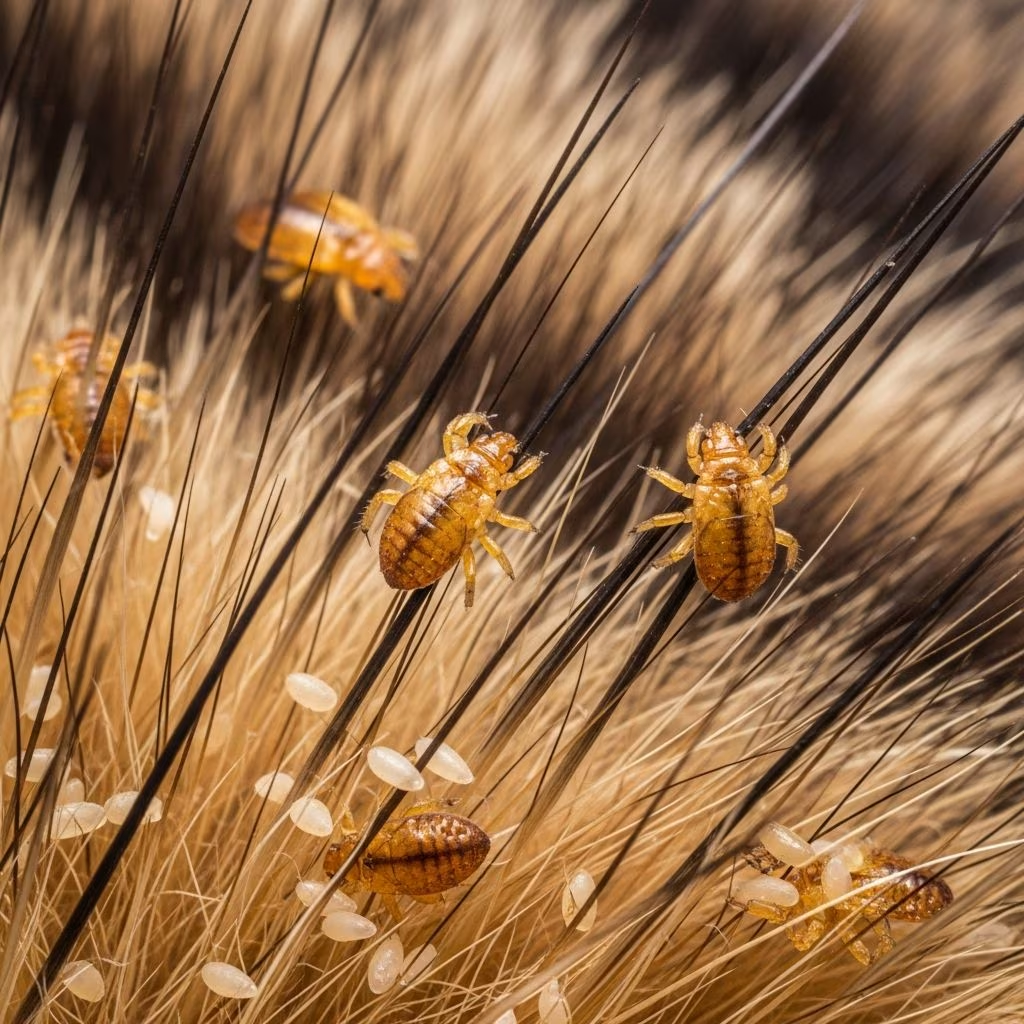
Yes, cats can get lice, a condition known as feline pediculosis caused by species-specific parasites like Felicola subrostratus. These wingless insects live on the skin surface, feeding on skin scales and fluids, leading to intense itching and potential secondary issues. Unlike fleas, lice cannot jump but spread through direct contact with infested cats or contaminated environments. While not life-threatening, untreated infestations can cause discomfort, hair loss, and skin infections. Early detection and treatment are crucial for your cat’s well-being.
What Are Cat Lice?
Cat lice are small, flat, wingless insects about 1-2 mm long, visible to the naked eye as tiny yellowish or tan specks moving slowly on the fur. They differ from fleas by lacking jumping ability and having a chewing mouthpart adapted for scraping skin debris rather than blood-feeding. The lifecycle includes eggs (nits), nymphs, and adults, lasting 2-3 weeks. Nits are cemented to hair shafts near the skin, hatching into nymphs that mature into egg-laying adults. Only one species infests cats: Felicola subrostratus, making it host-specific and unable to survive on dogs, humans, or other animals.
Lice thrive in crowded, unsanitary conditions like shelters or multi-cat homes, targeting kittens, seniors, or immunocompromised cats most severely. Heavy infestations lead to restlessness as cats scratch excessively, damaging skin and creating entry points for bacteria.
Symptoms of Lice in Cats
Recognizing lice early prevents escalation. Common signs include:
- Excessive itching and scratching: Cats rub against furniture, bite fur, or overgroom affected areas.
- Dull, scruffy coat: Fur appears dry, matted, or ruffled due to constant irritation.
- Hair loss (alopecia): Often around ears, neck, shoulders, groin, and rectal areas from self-trauma.
- Visible lice or nits: Tiny moving insects or white specks on hair shafts.
- Skin issues: Redness, scabs, hot spots, or secondary bacterial infections from wounds.
In mild cases, symptoms mimic allergies or fleas, but lice cause more localized matting. Kittens may show stunted growth or anemia in severe outbreaks.
How Do Cats Get Lice?
Cats acquire lice primarily through direct physical contact with infested felines, such as during play, grooming, or fights at parks, catteries, or shelters. Indirect transmission occurs via shared bedding, brushes, toys, or furniture harboring lice or nits, which survive off-host for days to weeks under cool, humid conditions but die quickly in heat or dryness.
Risk factors include:
- Stray or shelter adoptions without quarantine.
- Multi-pet households with poor hygiene.
- Infrequent grooming or weakened immunity from illness, malnutrition, or age.
Unlike human head lice, cat lice do not transfer from people or dogs, ensuring species specificity.
Diagnosis of Cat Lice
Veterinarians diagnose via clinical signs and direct visualization. Part the fur over affected areas to spot lice or nits; a magnifying glass or flea comb aids detection, trapping parasites for identification. Microscopic exam confirms species, distinguishing from fleas or mites. In subtle cases, tape tests or skin scrapes rule out differentials like ringworm or allergies.
Owners can check at home: Comb vigorously over white paper; lice appear as slow-moving specks, nits as white dots resistant to removal. Prompt vet consultation prevents misdiagnosis.
Treatment for Cat Lice
Treatment is straightforward and mirrors flea protocols, using vet-recommended insecticides. Key steps include:
- Topical treatments: Fipronil (Frontline), imidacloprid (Advantage), or selamectin (Revolution) spot-ons kill adults and nymphs. Isoxazolines like fluralaner show efficacy against feline lice.
- Shampoos, sprays, powders: Medicated flea shampoos with pyrethrins or lime sulfur dips for kittens; repeat every 7-10 days to target hatching nits.
- Combing: Daily fine-tooth combing removes lice and eggs; dispose in soapy water or sealed bags.
- Shaving matted fur: In severe cases, clip fur for penetration, especially long-haired breeds.
Treat all in-home cats, isolate infested ones, and repeat after 7-14 days as nits resist initial doses. Avoid dog products with permethrin, toxic to cats. Antibiotics address secondary infections.
| Treatment Type | Examples | Frequency | Notes |
|---|---|---|---|
| Spot-on | Fipronil, Selamectin | Monthly or as directed | Safe for cats, kills fleas too |
| Shampoo/Spray | Pyrethrin-based | Weekly x 2-4 | Rinse thoroughly |
| Isoxazoline Oral | Fluralaner | Single dose | Emerging option |
Preventing Lice in Cats
Prevention focuses on hygiene and prophylaxis:
- Monthly preventatives: Flea products like fipronil or isoxazolines control lice incidentally.
- Environment cleaning: Wash bedding in hot water, vacuum daily, dispose of vacuum bags. Heat-dry items or seal in plastic for weeks to desiccate eggs.
- Grooming routine: Weekly combing, bathe as needed. Quarantine new cats for 2 weeks.
- Vet check-ups: Regular exams for early detection, especially rescues.
Avoid overcrowding; maintain nutrition for strong immunity. Clean litter boxes, crates, and furniture thoroughly.
Frequently Asked Questions (FAQs)
Q: Can humans get lice from cats?
A: No, cat lice are species-specific and cannot infest humans or transfer vice versa.
Q: How long do cat lice live off the host?
A: Lice die within days without a host, but nits hatch over 2-3 weeks in favorable conditions.
Q: Are over-the-counter flea shampoos safe for cats?
A: Some are, but consult a vet; avoid permethrin products toxic to felines.
Q: Can lice be mistaken for fleas?
A: Yes, both cause itching, but lice walk slowly without jumping; check for nits vs. flea dirt.
Q: How many treatments for full lice eradication?
A: Typically 2-3, spaced 7-10 days apart to kill hatching nymphs.
Q: Is shaving necessary for lice treatment?
A: Only in severe matting; it aids product contact but regrows fur.
This comprehensive guide equips cat owners to tackle lice effectively. Always prioritize veterinary advice for tailored care, ensuring your cat remains happy and itch-free.
References
- Cat Lice | Feline Pediculosis | Cat Parasites — PetMD. 2023. https://www.petmd.com/cat/conditions/skin-hair/c_ct_lice_feline_pediculosis
- Lice – Companion Animal Parasite Council — CAPC. 2024. https://capcvet.org/guidelines/lice/
- Lice of Cats – Cat Owners – Merck Veterinary Manual — Merck Veterinary Manual. 2024. https://www.merckvetmanual.com/cat-owners/skin-disorders-of-cats/lice-of-cats
- The Treatment and Prevention of Lice in Cats — Lolahemp. 2023. https://lolahemp.com/blogs/cat-health/cat-lice
- What is the best course of treatment for lice on kittens? — Shelter Medicine, University of Wisconsin. 2023. https://sheltermedicine.wisc.edu/library/resources/what-is-the-best-course-of-treatment-for-lice-on-kittens



