

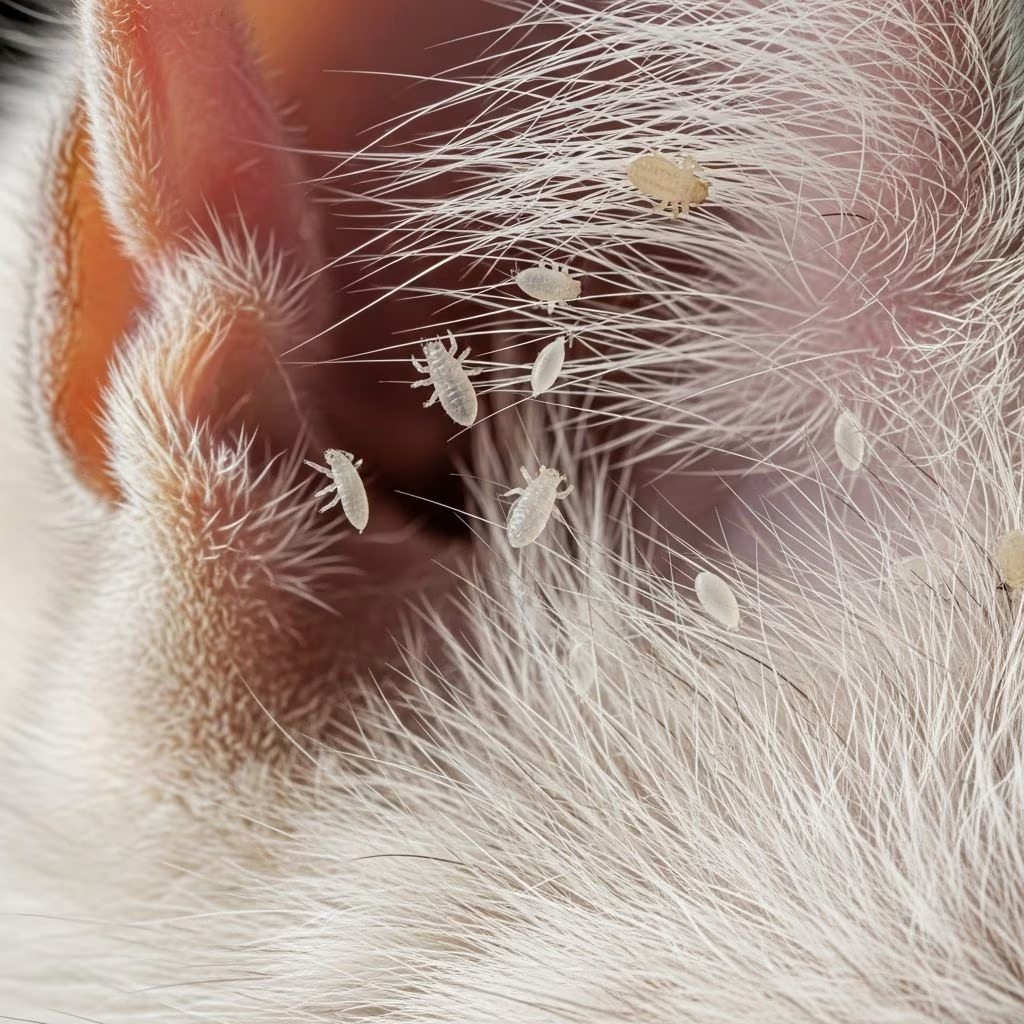
Lice infestations, known as pediculosis, can affect cats, though they are relatively uncommon in well-cared-for pets. These parasites are species-specific, meaning cat lice cannot spread to humans or dogs. Understanding the risks, symptoms, and treatments is crucial for cat owners to ensure their feline companions remain healthy and comfortable.
What Are Cat Lice?
Cat lice are small, wingless insects that live on the skin surface of felines, feeding on skin scales, oils, and sometimes blood. The two primary species affecting cats are Felicola subrostratus, a chewing louse, and less commonly, the sucking louse Demodex gatoi. These parasites are visible to the naked eye, appearing as tiny, yellowish-white, oval-shaped bugs about 1-2 mm long. Adult lice lay eggs called nits, which adhere firmly to hair shafts and hatch into nymphs that mature into adults within 2-3 weeks.
Unlike fleas, which jump, lice crawl slowly and do not survive long off the host—typically dying within 24-48 hours without a blood meal or suitable environment. This makes direct contact the primary transmission method.
Symptoms of Lice in Cats
Lice cause significant discomfort, leading to noticeable behavioral and physical changes. Common symptoms include:
- Excessive itching and scratching: Cats may scratch vigorously, especially around the head, neck, ears, shoulders, groin, and tail base.
- Dull, scruffy coat: Infested fur appears unkempt and matted due to constant grooming.
- Hair loss (alopecia): Over-scratching leads to bald patches, often on the back, sides, and rump.
- Restlessness and irritability: Cats may seem agitated or spend excessive time biting at their skin.
- Visible lice or nits: Tiny moving specks or white egg clusters on hairs, best seen with magnification.
Severe cases in kittens or debilitated cats can lead to anemia, weight loss, and secondary skin infections from self-trauma. Early detection is key to preventing these complications.
Causes and Risk Factors
Lice infestations typically occur through direct contact with infected cats, such as in multi-cat households, shelters, catteries, or grooming facilities. Stray or feral cats, kittens, and those with weakened immune systems are at highest risk due to crowded, unsanitary conditions.
Other contributing factors include:
- Poor grooming or neglect, allowing lice to proliferate unchecked.
- Introduction of new cats without quarantine and inspection.
- Infrequent use of broad-spectrum parasite preventives.
Lice are rare in household cats thanks to modern preventives, but outbreaks still occur in high-risk environments.
How to Diagnose Lice in Cats
Diagnosis is straightforward and often based on clinical signs combined with visual identification. Veterinarians use a fine-toothed comb to part the fur and reveal lice or nits on hairs. Under magnification, lice appear as fast-moving specks distinct from dandruff, which flakes off easily.
Differential diagnoses include fleas, mites (e.g., Cheyletiella or walking dandruff), ringworm, or allergies. A flea comb sample examined under a microscope confirms lice by their unique morphology: chewing lice have head-biting mouthparts, while nits are firmly attached unlike flea dirt. No advanced testing is usually needed.
Treatment for Lice in Cats
Treatment is highly effective with prompt intervention. Always consult a veterinarian before applying any product, as many over-the-counter insecticides are toxic to cats.
Key treatment steps:
- Topical insecticides: Vet-approved shampoos, sprays, powders, or spot-ons like fipronil (Frontline), imidacloprid (Advantage), or selamectin (Revolution) kill adult lice. Repeat in 7-10 days to target hatching nits.
- Manual removal: Use a fine-toothed flea comb daily to dislodge nits and dead lice. Dip the comb in soapy water to drown parasites.
- Shaving or clipping: For heavily matted fur, shave affected areas to expose lice and improve medication penetration.
- Treat all cats: Check and treat all household pets simultaneously to prevent ping-ponging.
Treatment duration is typically 2-5 weeks, with excellent prognosis if followed correctly. Isoxazolines like fluralaner may also be effective, though primarily flea/flea preventives suffice.
Vet-Recommended Products Table
| Product Type | Examples | Application | Notes |
|---|---|---|---|
| Spot-on | Fipronil, Selamectin, Imidacloprid | Monthly topical | Safe for cats; kills lice and fleas |
| Shampoo/Spray | Insecticidal flea shampoos | Bathe weekly | Rinse thoroughly; avoid cat-toxic pyrethrins |
| Combing | Fine-toothed flea comb | Daily | Mechanical removal of nits |
Preventing Reinfestation
Environmental control is essential to eliminate lice from the home:
- Wash bedding: Hot water (140°F+) and dry on high heat to kill lice/nits.
- Vacuum thoroughly: Carpets, furniture, and floors daily for 2 weeks; dispose of vacuum bags.
- Quarantine new cats: Inspect and treat before introducing to residents.
- Monthly preventives: Use flea products year-round, as they also control lice.
- Seal non-washables: Plastic bags for 2-4 weeks allow desiccation.
Lice on fomites die from drying out, accelerated by heat.
Home Remedies and What to Avoid
While some advocate essential oils or homemade sprays, these lack efficacy and can be dangerous. Never use dog products, permethrin, or human lice treatments on cats—they cause severe toxicity, seizures, or death. Stick to vet-prescribed options for safety.
When to See a Vet
Seek immediate veterinary care if you spot lice, excessive scratching persists, or skin infections develop. Kittens, seniors, or immunocompromised cats warrant urgent attention to prevent anemia or secondary issues.
Frequently Asked Questions (FAQs)
Can humans get lice from cats?
No, cat lice are host-specific and cannot infest humans.
Are lice common in cats?
Rare in pet cats; more common in strays, shelters, or neglected animals.
How long does treatment take?
Usually 2-5 weeks with repeat applications.
Can lice be mistaken for fleas?
Yes, but lice don’t jump and nits stick to hairs unlike flea dirt.
Is shaving necessary?
Only for severe matting; not routine.
References
- Lice (Pediculosis) in Cats – Causes, Treatment and Prevention — Vetster. 2023. https://vetster.com/en/conditions/cat/lice
- Cat Lice | Feline Pediculosis | Cat Parasites — PetMD. 2023. https://www.petmd.com/cat/conditions/skin-hair/c_ct_lice_feline_pediculosis
- Lice — Companion Animal Parasite Council (CAPC). 2024-01-15. https://capcvet.org/guidelines/lice/
- Can Pets Get Lice? Facts, Myths, and Care Guidelines — Lice Clinics of America. 2023. https://www.liceclinicsofamerica.com/can-pets-get-lice-facts-myths-and-care-guidelines/
- An Itch You Can’t Scratch: What to Do About Lice in Pets — Lone Tree Veterinary Clinic. 2023. https://www.lonetreevet.com/blog/what-to-do-about-lice-in-pets/



