

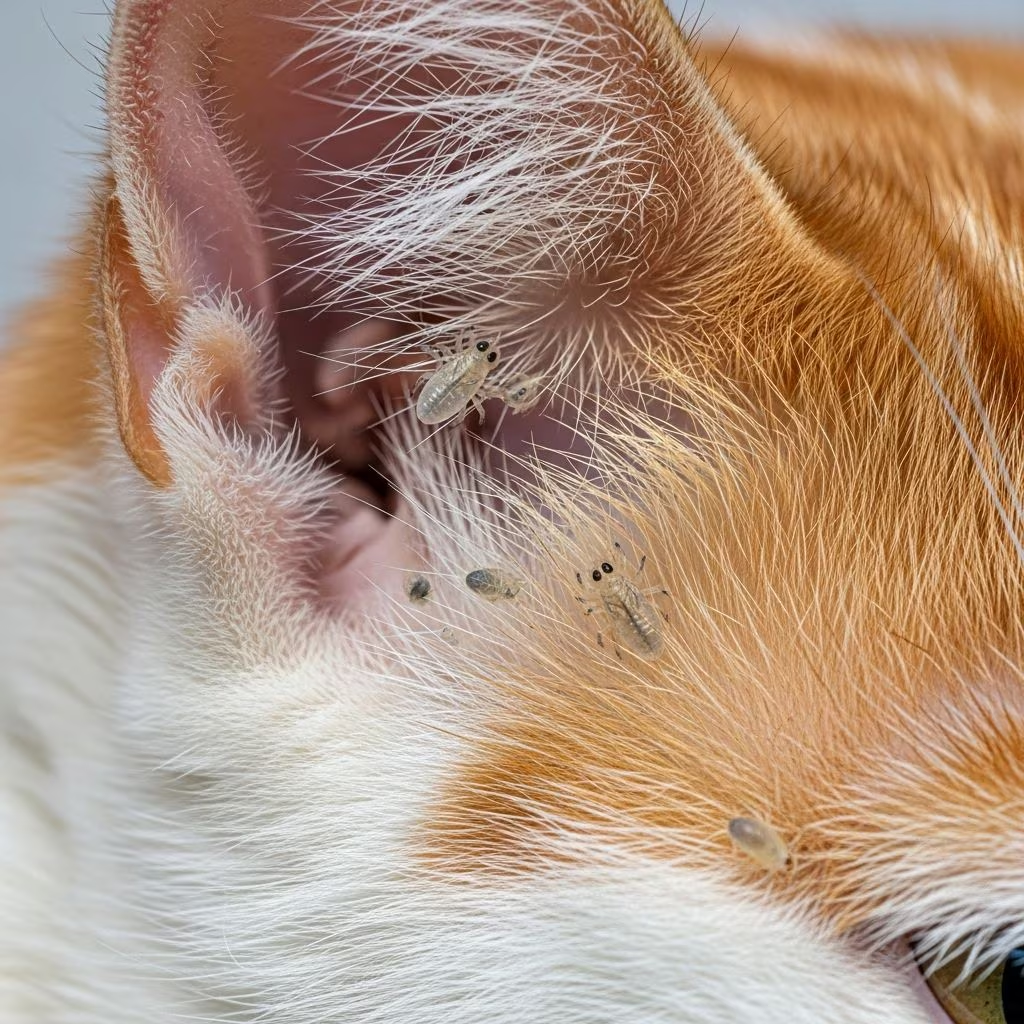
Yes, cats can get lice, although feline lice infestations are relatively uncommon, especially in well-cared-for household pets. These parasites, known as feline pediculosis, primarily affect young, unhealthy, or stray cats living in crowded or unsanitary conditions. Lice are species-specific wingless insects that live on a cat’s skin and fur, feeding on dandruff, skin debris, and small amounts of blood. Understanding this condition is crucial for cat owners to ensure prompt identification and treatment.
What Are Cat Lice?
Cat lice belong to two main species: the biting louse Felicola subrostratus, which feeds on skin flakes and secretions, and occasionally the sucking louse Haematopinus felis, though the latter is rarer in cats. These parasites are tiny, about 1-2 mm long, and visible to the naked eye as fast-moving specks resembling sesame seeds. Unlike fleas, lice cannot jump or fly; they crawl and spread through direct contact with infested cats or contaminated items like bedding and grooming tools. Lice complete their life cycle on the host, laying eggs (nits) that adhere firmly to hair shafts, hatching into nymphs within a week and maturing in 2-3 weeks.
Lice differ from fleas in appearance and behavior—fleas are smaller, darker, and jump, while lice are lighter and slower. Misidentification is common, as both cause itching, but lice are easier to spot with partings in the fur, especially around the neck, ears, and base of the tail.
Can Humans Get Lice from Cats?
No, cats cannot transmit lice to humans or other species. Feline lice are host-specific and cannot survive on dogs, humans, or other animals. This makes cat lice a low zoonotic risk, unlike some fleas or mites. However, if a cat has fleas, those could potentially affect humans under rare circumstances.
Symptoms of Lice in Cats
Lice infestations cause significant discomfort, with symptoms often mimicking other skin issues like allergies or mites. Key signs include:
- Excessive scratching, biting, or grooming: Cats may overgroom to the point of hair loss or skin wounds, focusing on the head, neck, shoulders, and base of the tail.
- Dandruff-like flakes: Lice feed on skin debris, producing visible white or yellowish flakes that move when examined closely.
- Matted fur or bald patches: Severe cases lead to poor coat condition and self-induced bald spots.
- Restlessness and irritability: Affected cats appear uncomfortable and may shake their heads frequently.
- Visible lice or nits: Adults look like tiny pale insects; nits are oval, white eggs glued to hairs.
Diagnosis is straightforward via visual inspection or using a fine-toothed comb to collect lice or eggs. Veterinarians confirm by examining under magnification, ruling out similar conditions like flea allergy dermatitis. Early detection prevents secondary bacterial infections from scratching.
Causes and Transmission of Lice in Cats
Lice spread primarily through direct physical contact between infested and healthy cats, common in multi-cat homes, shelters, or feral colonies. Indirect transmission occurs via shared bedding, brushes, toys, or blankets harboring crawling lice or viable nits. Stray or feral cats are primary reservoirs, introducing lice to pets during outdoor encounters or boarding.
Young kittens, elderly cats, or those with weakened immunity (e.g., from illness or malnutrition) are most susceptible due to compromised grooming and defenses. Poor hygiene exacerbates risk, as lice thrive in dirty environments. Unlike fleas, lice do not survive off-host for long—adults live days without a host, nits up to a few weeks under ideal conditions.
Treatment for Lice in Cats
Treating cat lice requires a multi-step approach: eliminating adult lice, nits, and environmental contaminants while preventing reinfestation. Always consult a veterinarian before starting treatment, as many over-the-counter products are toxic to cats, especially essential oils or dog-specific insecticides.
Veterinary Treatments:
- Topical insecticides: Fipronil, imidacloprid, selamectin (spot-on treatments like Frontline or Revolution) kill lice effectively and also target fleas. Apply as directed, repeating in 7-10 days to catch hatching nits.
- Shampoos, sprays, powders: Insecticidal formulas (e.g., pyrethrin-based, vet-approved) suffocate lice; lather thoroughly, rinse, and repeat after 7 days.
- Oral or injectable options: Isoxazolines like afoxolaner for severe cases; not first-line for lice but useful.
- Grooming: Use a fine-toothed flea comb daily to remove lice and nits; dip comb in soapy water to drown parasites.
In heavy infestations, clipping matted fur aids treatment penetration. Treatment duration is typically 2-5 weeks, treating all household cats simultaneously regardless of symptoms.
How to Get Rid of Lice on Cats at Home
While home remedies lack evidence and can harm cats, supportive measures complement vet care:
- Bathe with mild, vet-recommended shampoo; avoid human products.
- Comb vigorously 2-3 times daily, focusing on nit removal.
- Vacuum daily and steam-clean floors/carpets.
- Never use garlic, vinegar, or essential oils—these are ineffective and toxic.
Monitor progress weekly; if no improvement in 7 days, revisit the vet.
Environmental Cleaning to Prevent Reinfestation
Lice in the environment perpetuate cycles. Thorough cleaning is essential:
- Wash bedding, toys, blankets in hot water (>140°F/60°C) and dry on high heat.
- Vacuum carpets, furniture, cracks daily for 2 weeks; dispose of vacuum bags.
- Disinfect litter boxes, bowls with diluted bleach (1:32); air dry.
- Seal non-washables in plastic bags for 4 weeks to starve survivors.
- Grooming tools: Soak in insecticide or discard.
Clean weekly post-treatment for a month to ensure eradication.
Prevention of Lice in Cats
Proactive measures keep lice at bay:
- Monthly preventatives: Flea spot-ons (fipronil, selamectin) control lice too.
- Regular grooming: Brush weekly, inspect for parasites.
- Hygiene: Clean living areas, litter boxes frequently.
- Quarantine new cats: Check strays/rescues before integration.
- Avoid high-risk areas: Limit contact with ferals; choose hygienic boarders.
Annual vet check-ups catch issues early. Healthy cats self-groom effectively, reducing risk.
Frequently Asked Questions (FAQs)
Are lice common in cats?
Lice are uncommon in pet cats but more frequent in strays, kittens, or unsanitary conditions.
Can cat lice live in my house?
Yes, briefly on fomites, but they die quickly without a host; thorough cleaning eliminates them.
How long does it take to get rid of cat lice?
Typically 2-5 weeks with proper treatment and environmental control.
Do I need to treat my other pets?
Yes, all cats in the home should be treated simultaneously to prevent spread.
Is there a home remedy for cat lice?
No safe, effective home remedies; use vet-approved products only.
References
- Lice in Cats: Management and Prevention — PetCareRx. 2023. https://www.petcarerx.com/article/lice-in-cats-management-and-prevention/6813
- The Treatment and Prevention of Lice in Cats — Lolahemp. 2024. https://lolahemp.com/blogs/cat-health/cat-lice
- Fleas, Ticks, Lice and Mites – Cat Parasites — Royal Canin. 2024. https://www.royalcanin.com/us/cats/health-and-wellbeing/fleas-ticks-lice-mites
- Lice (Pediculosis) in Cats – Causes, Treatment — Vetster. 2024. https://vetster.com/en/conditions/cat/lice
- Lice – Companion Animal Parasite Council — CAPC. 2024. https://capcvet.org/guidelines/lice/
- Cat Lice | Feline Pediculosis — PetMD. 2024. https://www.petmd.com/cat/conditions/skin-hair/c_ct_lice_feline_pediculosis
- Lice of Cats – Cat Owners — Merck Veterinary Manual. 2024. https://www.merckvetmanual.com/cat-owners/skin-disorders-of-cats/lice-of-cats



