

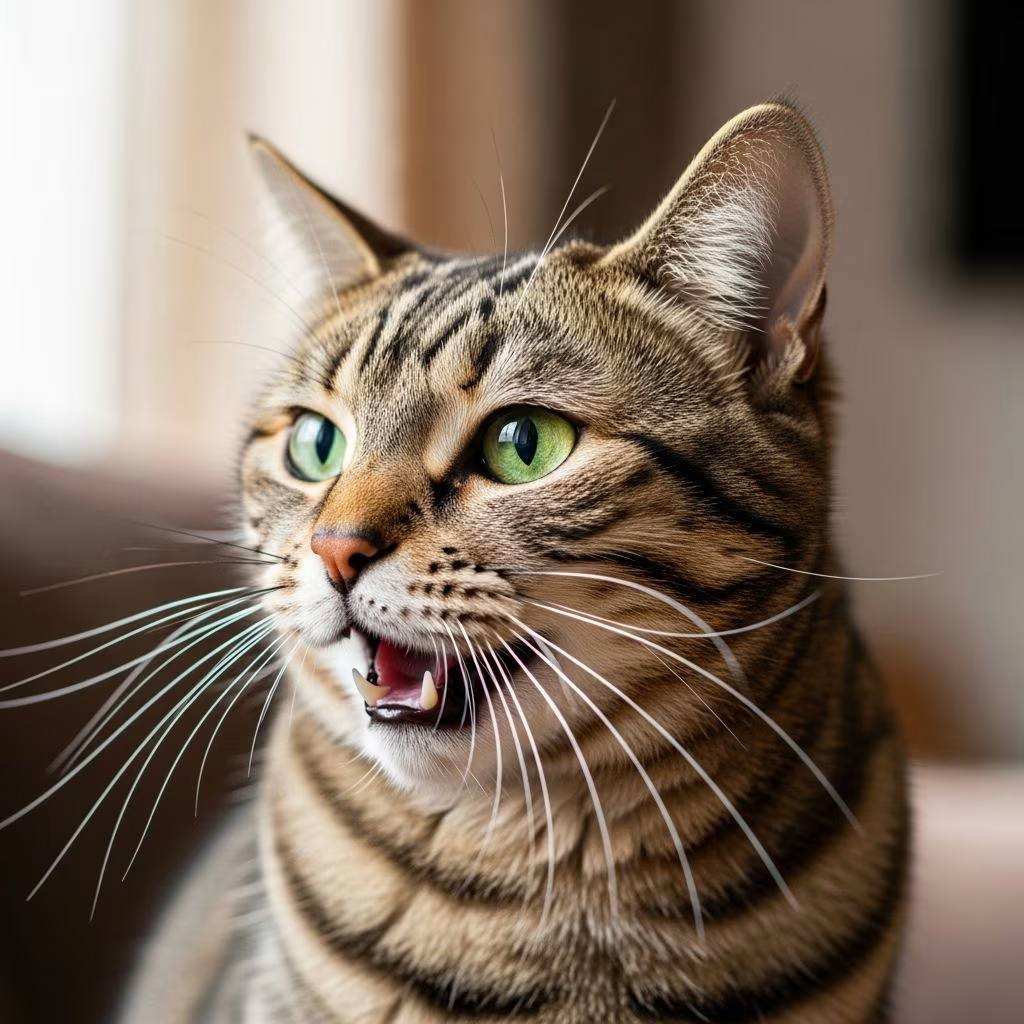
Yes, cats can develop laryngitis, an inflammation of the larynx (voice box) that often leads to a hoarse meow, voice loss, or raspy sounds. This condition mirrors human laryngitis but arises from feline-specific causes like viral infections or irritants, requiring prompt attention to prevent complications.
What Is Laryngitis in Cats?
Laryngitis in cats refers to swelling and irritation of the larynx, the structure responsible for producing meows and regulating breathing. This inflammation disrupts normal vocalization and can cause discomfort, noisy breathing, or swallowing difficulties. While often temporary, severe cases may signal underlying health issues needing veterinary intervention.
The larynx, located at the entrance to the trachea, protects the airway during swallowing and enables sound production via vocal cords. In cats, even mild inflammation can drastically alter their signature meow, alerting owners to potential problems.
Causes of Laryngitis in Cats
Several factors can trigger laryngitis in cats. The most common include infectious diseases, environmental irritants, and structural issues. Identifying the root cause is crucial for effective treatment.
- Upper Respiratory Infections (URIs): Viruses like feline herpesvirus, calicivirus, or rhinotracheitis cause URIs, leading to throat inflammation. These ‘cat colds’ are highly contagious in multi-cat environments.
- Inhaled Irritants: Smoke, dust, chemicals, or household cleaners can irritate the larynx, especially in sensitive cats.
- Excessive Meowing: Overuse of the voice, such as prolonged yowling during heat cycles or stress, strains vocal cords.
- Foreign Objects or Blockages: Grass blades, strings, or small toys lodged in the throat obstruct airflow and cause swelling.
- Tumors or Growths: Benign polyps, cancerous masses, or feline eosinophilic granuloma complex (allergic skin/throat lesions) narrow the larynx.
- Laryngeal Paralysis: Nerve damage impairs larynx movement, leading to chronic inflammation.
- Hyperthyroidism: Overactive thyroid glands cause metabolic changes that indirectly inflame the throat.
- Trauma or Anesthesia: Physical injury or intubation during surgery irritates the larynx.
- Allergies or Bacterial Infections: Less common but possible triggers include allergens or secondary bacterial overgrowth.
Symptoms of Laryngitis in Cats
Recognizing laryngitis early improves outcomes. Core symptoms focus on voice changes and respiratory distress, often accompanied by URI signs if infection-related.
- Voice Changes: Hoarseness, raspy meows, or complete voice loss (silent meowing with mouth movements).
- Coughing: Dry, hacking coughs, especially when swallowing or excited.
- Noisy Breathing: Wheezing, stridor (high-pitched inhalation sounds), or open-mouth breathing.
- Difficulty Swallowing: Reluctance to eat, drooling, or gagging.
- Appetite Loss and Lethargy: Pain and discomfort reduce activity and interest in food.
- Lowered Head Posture: Cats hold their head low to ease throat pressure.
- Fever and Bad Breath: Indicate infection or inflammation.
URI-associated symptoms include sneezing, nasal/eye discharge, and conjunctivitis. Persistent symptoms beyond 48 hours warrant a vet visit, as they may signal serious issues like tumors.
How Is Laryngitis in Cats Diagnosed?
Veterinarians diagnose laryngitis through history, physical exams, and diagnostics. A thorough exam includes listening to breathing, oral inspection, and assessing overall health.
Diagnostic Tools:
- Physical exam and auscultation for abnormal lung/larynx sounds.
- Laryngoscopy: Endoscope visualizes the larynx for swelling, masses, or foreign bodies.
- Radiographs (X-rays): Detect tumors, fluid, or paralysis.
- Blood tests: Check for hyperthyroidism, infections, or systemic disease.
- Cultures or biopsies: Identify bacteria, viruses, or cancer.
Early diagnosis prevents progression to pneumonia or airway obstruction.
Treatment for Laryngitis in Cats
Treatment targets the cause and severity. Mild cases resolve with home care; severe ones require medications or surgery.
| Condition Severity | Treatment Options |
|---|---|
| Mild (e.g., viral URI) | Voice rest, humidification (steam from showers), soft foods, hydration. |
| Moderate (pain/infection) | Anti-inflammatories, corticosteroids, antibiotics (bacterial), painkillers. |
| Severe (blockage/mass) | Surgery to remove foreign objects/tumors, diuretics for fluid buildup. |
Supportive care includes:
- Humid environments to soothe airways.
- Warm, palatable foods like canned tuna water or broth.
- Isolation from other cats to prevent URI spread.
Most cats recover in days to weeks with treatment.
Recovery and Management
Recovery time varies: 3-7 days for mild cases, longer for chronic issues. Monitor for relapse and follow vet instructions.
- Encourage eating with warmed, smelly foods.
- Avoid irritants like smoke or strong scents.
- Follow-up exams ensure complete healing.
Prevention of Laryngitis in Cats
Preventive measures reduce risk:
- Vaccinations: Core vaccines against calicivirus and herpesvirus.
- Indoor Living: Limits exposure to irritants and fights.
- Regular Vet Checkups: Early detection of hyperthyroidism or polyps.
- Smoke-Free Home: Eliminate tobacco and incense.
- Stress Reduction: Provide enrichment to curb excessive vocalizing.
When to See a Vet for Suspected Laryngitis
Seek immediate care if your cat shows breathing distress, blue gums, refusal to eat >24 hours, or symptoms lasting >2 days. Emergency signs include collapse or stridor.
Frequently Asked Questions (FAQs)
Q: Can laryngitis in cats go away on its own?
A: Yes, mild viral cases often resolve in 3-5 days with rest and humidity, but vet evaluation rules out serious causes.
Q: Is cat laryngitis contagious?
A: If URI-related, yes—viral infections spread via saliva or discharge. Isolate affected cats.
Q: How long does it take for a cat to recover from laryngitis?
A: Typically 3-14 days, depending on cause and treatment. Chronic issues may take weeks.
Q: Can stress cause laryngitis in cats?
A: Indirectly, via excessive meowing straining vocal cords, especially in unspayed females.
Q: What home remedies help cat laryngitis?
A: Steam therapy, soft foods, and hydration. Never use human meds without vet approval.
References
- Laryngitis in Cats: Causes, Symptoms, & Treatment — cats.com. 2024. https://cats.com/laryngitis-in-cats
- Laryngitis in Cats — Altas Palmas Animal Clinic. 2024-02-15. https://www.altaspalmas.com/site/blog/2024/02/15/laryngitis-in-cats
- Does my cat have laryngitis? — Riverside Veterinary Hospital. 2024-06-30. https://www.riverside-vet.com/site/blog/2024/06/30/cat-laryngitis
- Cat Laryngitis: Symptoms & Treatment — Harris Parkway Animal Hospital. 2023-05-30. https://www.harrisparkwayanimalhosp.com/site/blog/2023/05/30/laryngitis-cats-symptoms-treatment
- Causes Of Laryngitis in Cats & What to Do — Mooresville Animal Hospital. 2022-05-30. https://www.mooresvilleanimalhospital.com/site/blog/2022/05/30/laryngitis-cats



