

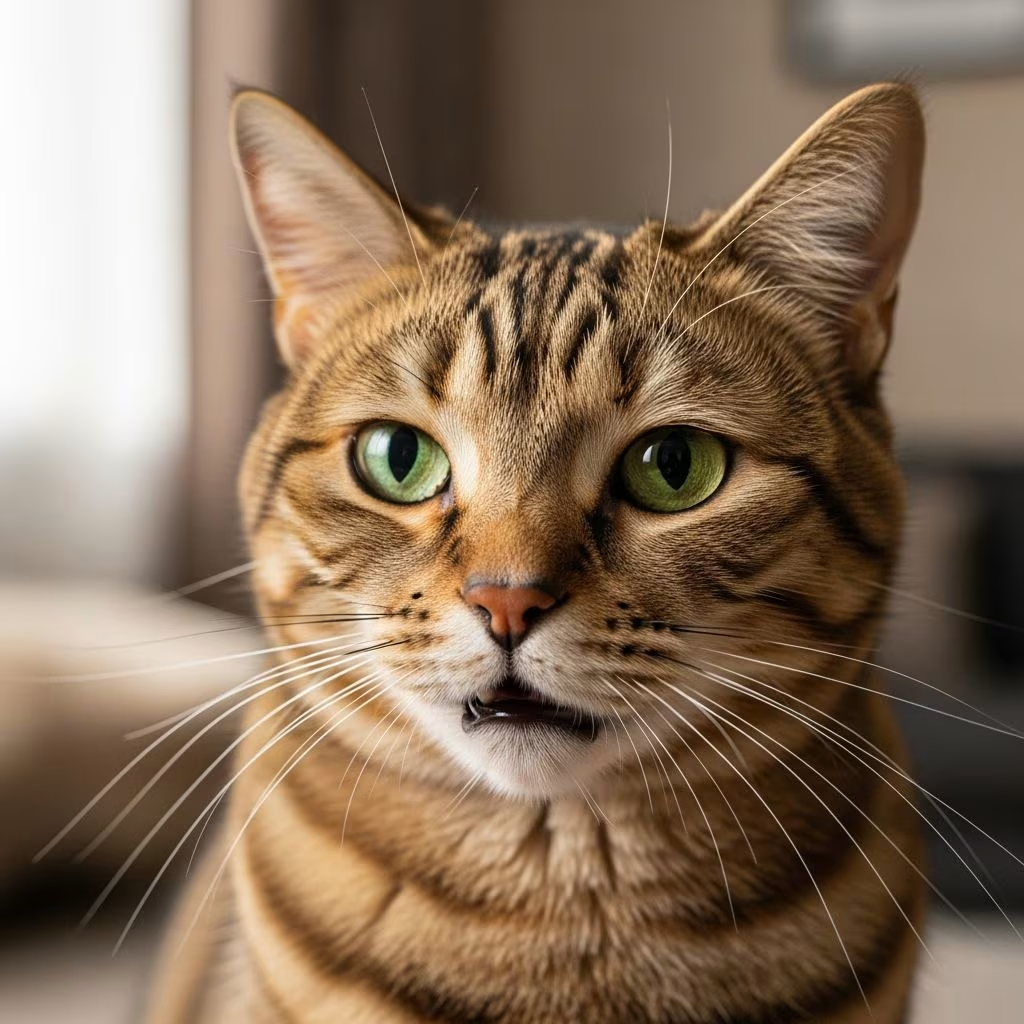
Can Cats Get Laryngitis?
Yes, cats can absolutely get laryngitis. This condition occurs when a cat’s larynx becomes inflamed, leading to a loss of voice or changes in vocalization. Just like in humans, laryngitis in cats is characterized by inflammation of the throat and vocal cords, and it is most often a symptom of an underlying condition rather than a standalone disease. If you notice your cat has lost their meow or has a hoarse voice, laryngitis could be the culprit, and it’s important to seek veterinary care to determine the underlying cause.
Understanding Cat Laryngitis
Cat laryngitis refers to the inflammation of the larynx, which is the voice box located in your cat’s throat. This inflammation can affect your cat’s ability to vocalize normally and may also impact their breathing and swallowing. The condition can range from mild to severe, depending on the underlying cause and how quickly it’s treated. Understanding this condition is crucial for cat owners because early identification and treatment can prevent complications and ensure a faster recovery.
Common Causes of Cat Laryngitis
There are numerous factors that can lead to laryngitis in cats. The causes can be broadly categorized into infectious, physical, and systemic conditions.
Infectious Causes
Infectious diseases are among the most common causes of laryngitis in cats. These include:
- Upper Respiratory Infections (URI): Also known as cat colds, these viral infections are a frequent cause of laryngitis.
- Calicivirus: This highly contagious viral infection commonly affects the upper respiratory tract and can lead to laryngitis.
- Rhinotracheitis: This viral infection causes inflammation in the respiratory tract, including the larynx.
Physical Obstructions and Trauma
Physical problems in the throat can also cause laryngitis:
- Growths in the throat (benign or cancerous)
- Objects lodged in the throat that may require surgical removal
- Blockages in the larynx
- Trauma to the throat area
- Paralysis of the laryngeal nerve
Environmental and Irritant Factors
Your cat’s environment can contribute to laryngitis development. Inhaled irritants such as smoke, dust, and other airborne particles can inflame the larynx. If your home has poor air quality or contains smoke from cigarettes or fireplaces, your cat may be at increased risk.
Systemic and Medical Conditions
Several medical conditions can trigger laryngitis in cats:
- Hyperthyroidism: This thyroid disorder can contribute to laryngeal inflammation.
- Hormonal Deficiencies: Imbalances in your cat’s hormones may cause laryngitis.
- Chest Inflammation or Infection: Infections and inflammation in the chest can affect the larynx.
- Eosinophilic Granuloma Complex: This condition, often resulting from an exaggerated immune response to insect bites, can cause laryngeal inflammation.
- Cancer: Throat cancer and other malignancies can lead to laryngitis.
Recognizing Symptoms of Cat Laryngitis
The symptoms your cat displays will depend on the underlying cause of their laryngitis, but there are several common signs to watch for.
Vocal and Breathing Changes
The most obvious symptom of laryngitis in cats is a change in vocalization. Your cat may:
- Lose their meow entirely or have a significantly quieter meow
- Produce a hoarse or raspy voice
- Experience difficulty meowing or vocalizing
- Have high-pitched or noisy breathing
- Breathe with increased effort
Physical Symptoms
Beyond vocal changes, cats with laryngitis may exhibit:
- A dry, harsh cough that may be painful
- Difficulty swallowing
- Holding their head in a lowered position while standing
- Keeping their mouth open
- Bad breath
Associated Cold-Like Symptoms
If your cat’s laryngitis is caused by a viral infection or upper respiratory illness, you may also notice typical cold symptoms:
- Loss of appetite
- Lack of energy or letharness
- Runny nose
- Sneezing
- Watery or discharge-filled eyes
- Eye discharge
When to Seek Veterinary Care
If your cat is displaying any symptoms of laryngitis, it’s essential to consult with a veterinarian. While some cases of laryngitis caused by viral infections may resolve on their own within a couple of days, the underlying cause could be serious and may require professional medical attention. Don’t wait to see if symptoms improve on their own—prompt veterinary care can prevent complications and identify serious conditions early.
Diagnosing Laryngitis in Cats
Your veterinarian will perform a thorough examination to diagnose laryngitis and determine its underlying cause. This may include physical examination, listening to your cat’s breathing and vocalization, and potentially imaging or other diagnostic tests to rule out serious conditions such as tumors, foreign objects, or severe infections. A proper diagnosis is crucial because treatment depends entirely on identifying the root cause.
Treatment Options for Cat Laryngitis
The treatment for your cat’s laryngitis will vary significantly depending on the underlying cause. Your veterinarian will develop a personalized treatment plan tailored to your cat’s specific needs and situation.
Conservative Treatment Approaches
For mild cases, conservative treatment may be sufficient:
- Rest: Allowing your cat quiet time to recover is often recommended.
- Pain Management: If your cat is experiencing pain, your veterinarian may prescribe mild painkillers to provide relief and comfort.
- Diuretics: If fluid buildup in the larynx is detected, your vet may prescribe diuretics to reduce this swelling.
Medication-Based Treatment
Depending on the cause, your veterinarian may prescribe:
- Antibiotics: Used when bacterial infections are present or suspected.
- Steroids or Corticosteroids: These can reduce inflammation in the larynx and are particularly useful for eosinophilic granuloma complex.
- Antiparasitic Medications: For cases related to eosinophilic granuloma, treating any parasites is essential.
Surgical and Invasive Treatment
In more severe cases, surgical intervention may be necessary:
- Foreign Object Removal: If an object is lodged in your cat’s throat, surgery may be required to remove it, which can restore your cat’s ability to meow.
- Tumor Treatment: Surgical removal or other interventions may be needed for cancerous growths.
Recovery and Prognosis
The timeline for recovery depends on the underlying cause and severity of the condition. Most cats that require only rest, antibiotics, or steroids will have a full recovery within a few days to a few weeks. However, more serious conditions may require longer treatment periods. Once your veterinarian has successfully addressed the underlying cause, your cat’s voice typically returns to normal, though this may take time depending on the extent of the inflammation.
Preventing Laryngitis in Cats
While you cannot prevent all cases of laryngitis, you can take steps to reduce your cat’s risk:
- Maintain good indoor air quality by avoiding smoke and excessive dust
- Keep your cat up-to-date on vaccinations to prevent viral infections
- Ensure your cat receives appropriate care for thyroid and other chronic conditions
- Monitor your cat’s health regularly and seek early treatment for respiratory infections
- Keep potentially dangerous objects out of your cat’s reach
Frequently Asked Questions (FAQs)
Q: How long does it take for a cat to recover from laryngitis?
A: Recovery time depends on the underlying cause. Most cats recover within a few days to a few weeks with appropriate treatment. However, cases involving surgery or serious conditions may take longer.
Q: Can cat laryngitis go away on its own?
A: In some cases where laryngitis is caused by a mild viral infection, it may clear up on its own within a couple of days. However, the underlying cause could be serious and may require veterinary attention.
Q: Is cat laryngitis contagious to other cats?
A: If laryngitis is caused by a contagious infection like calicivirus or rhinotracheitis, it can be spread to other cats. However, laryngitis itself is not contagious—only the underlying infectious disease may be.
Q: What should I do if my cat loses their voice?
A: Schedule a veterinary appointment as soon as possible. While voice loss could indicate laryngitis, it could also signal a more serious underlying condition that requires professional evaluation and treatment.
Q: Can indoor cats get laryngitis?
A: Yes, indoor cats can get laryngitis from various causes including viral infections, exposure to indoor irritants like smoke or dust, and systemic conditions like hyperthyroidism.
Q: Will my cat’s voice return to normal after treatment?
A: In most cases, yes. Once the underlying cause has been treated and the inflammation has resolved, your cat’s voice should return to normal, though this may take some time depending on severity.
References
- Laryngitis in Cats — Apple Valley Animal Hospital. 2021-06-30. https://www.applevalleyanimalhospital.com/site/blog/2021/06/30/laryngitis-in-cats
- Laryngitis in Cats — Altas Palmas Animal Clinic. 2024-02-15. https://www.altaspalmas.com/site/blog/2024/02/15/laryngitis-in-cats
- Does my cat have laryngitis? — Mandeville Vets. 2024-06-30. https://www.riverside-vet.com/site/blog/2024/06/30/cat-laryngitis
- Cat Laryngitis: Symptoms & Treatment — Harris Parkway Animal Hospital. 2023-05-30. https://www.harrisparkwayanimalhosp.com/site/blog/2023/05/30/laryngitis-cats-symptoms-treatment
- Causes Of Laryngitis in Cats & What to Do — Mooresville Animal Hospital. 2022-05-30. https://www.mooresvilleanimalhospital.com/site/blog/2022/05/30/laryngitis-cats
- Cat Laryngitis: What to Do if Your Cat Loses Their Meow — Flat Rock Veterinary. 2021-07-27. https://www.wcrah.com/site/blog-flat-rock-vet/2021/07/27/cat-laryngitis
- Laryngitis in Cats – What to Do if Your Cat Loses Their Meow — Southwest Florida Veterinary Services. 2024-08-15. https://www.swfvs.com/site/blog/2024/08/15/laryngitis-cats



