

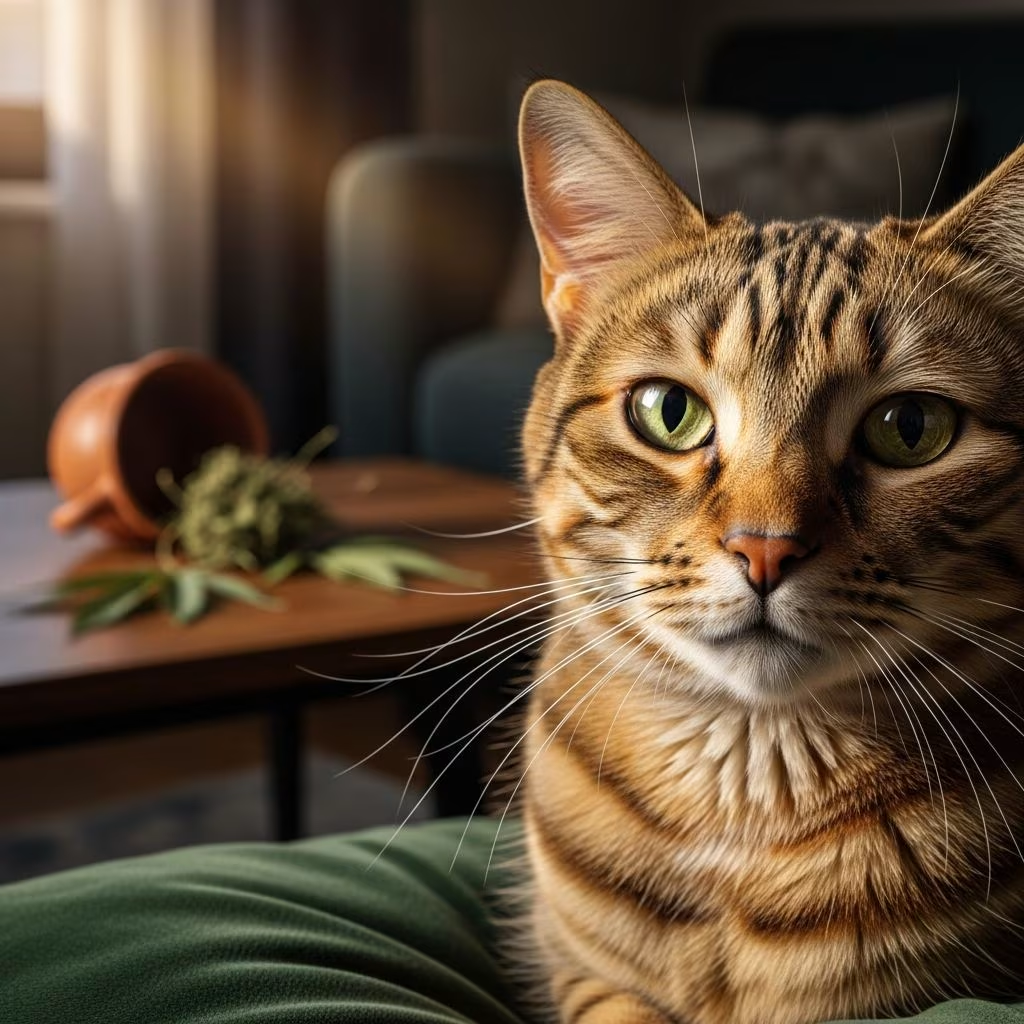
Can Cats Get High? Understanding Cannabis and Feline Health
The question of whether cats can get high from marijuana is more complex than a simple yes or no answer. While cats can technically experience effects from THC (tetrahydrocannabinol), the primary psychoactive compound in cannabis, their experience differs dramatically from the recreational high that humans seek. For cats, exposure to marijuana is not a pleasant or euphoric experience—rather, it represents a potentially dangerous situation that can cause significant distress and health complications. Understanding how cannabis affects feline physiology is crucial for cat owners, especially in regions where marijuana use is legal and more accessible than ever before.
How Does Marijuana Affect Cats Differently Than Humans?
The fundamental difference in how cats respond to marijuana lies in their neurological structure and receptor distribution. Cats possess significantly more cannabinoid receptors in their brains compared to humans, particularly CB1 receptors that are responsible for the psychoactive effects of THC. In humans, these receptors create a pleasurable, relaxing sensation—the “high” that recreational users seek. However, in cats, the activation of these receptors produces an entirely different and profoundly distressing response.
When THC interacts with a cat’s brain chemistry, it doesn’t create a calm, euphoric state. Instead, it triggers what veterinarians describe as a terrifying experience characterized by fear, paranoia, and confusion. The cat’s smaller body size and higher concentration of CB1 receptors means that even minimal amounts of THC can produce dramatic and potentially dangerous effects. This distinction is critical: what might be a manageable dose for a human can be severely toxic to a cat.
It’s important to note that catnip and marijuana are fundamentally different substances that operate through entirely different mechanisms. While catnip can produce euphoric responses in cats, it functions as a pheromone and cats cannot overdose from it. Marijuana, by contrast, carries genuine toxicity risks that warrant serious concern.
Is Marijuana Toxic to Cats?
Yes, marijuana is definitively toxic to cats. However, the exact toxic dose has not been precisely determined, partially because cats are less commonly exposed to cannabis compared to dogs, resulting in fewer documented cases and less comprehensive research data. The good news is that marijuana toxicity in cats is rarely lethal, and most cats can fully recover with appropriate veterinary care and without long-term effects.
The severity of toxicity depends on several factors, including:
- The amount of THC consumed
- The concentration of THC in the product
- The cat’s age and overall health status
- The cat’s body weight and size
- Whether the cat ingested edibles that contain other toxic ingredients
- Secondary complications such as aspiration pneumonia or seizures
Cats typically have more discerning palates than dogs, yet even small amounts of THC-containing products can cause clinical signs and toxicity in cats. This is particularly concerning with modern cannabis products, as medical-grade THC products contain highly concentrated levels of the compound that pose greater risks than traditional marijuana.
How Can Cats Be Exposed to Marijuana?
Cat owners should understand the various pathways through which their feline companions can be exposed to cannabis:
Direct Ingestion
Cats may consume marijuana directly if they discover it in the home. They can ingest dried cannabis, cannabis-infused products, or accidentally encounter marijuana during handling or preparation by household members.
Edible Products
With the legalization of cannabis in many areas, edible products have become increasingly common. Cats can become intoxicated by eating cannabis-infused edibles such as baked goods, candies, chocolate bars, and chips containing cannabis. These products present a compounded danger: edibles often contain other ingredients that are toxic to cats, such as chocolate or xylitol, creating multiple toxicity concerns simultaneously.
Secondhand Smoke Inhalation
One of the most overlooked exposure routes is secondhand marijuana smoke. Cats sharing a room with someone smoking cannabis can inhale THC and become intoxicated without directly ingesting any product. Additionally, chronic exposure to secondhand smoke has been linked to lung cancer in cats and dogs. This is a particularly important consideration for multi-pet households where cannabis use occurs regularly.
Clinical Signs of Marijuana Toxicity in Cats
Cannabis toxicity in cats produces primarily neurological symptoms that can develop rapidly. Clinical signs can appear in as little as 30 minutes after exposure and may last for several hours or even days. Recognizing these symptoms is essential for prompt veterinary intervention.
Neurological Symptoms
- Loss of coordination and wobbly walking
- Disorientation and confusion
- Hyperactivity or excessive vocalization
- Agitation or aggression
- Anxiety and trembling
- Muscle twitching or tremors
- Seizures (in severe cases)
- Coma or unresponsiveness (in severe cases)
Physical Symptoms
- Dilated pupils with a glassy appearance
- Slow heart rate or abnormally fast heartbeat
- Low body temperature (hypothermia), which can become dangerously low
- Slow or shallow breathing
- Altered blood pressure
Gastrointestinal and Urinary Symptoms
- Excessive drooling
- Vomiting
- Diarrhea
- Loss of bladder control (urinary incontinence)
- Dribbling urine
It’s crucial to understand that not all cats will exhibit all symptoms, and the severity can vary significantly based on individual factors. Some cats may display only mild signs, while others may experience more severe reactions. If you suspect your cat has been exposed to marijuana, immediate veterinary attention is warranted.
What Should You Do If Your Cat Is Exposed to Marijuana?
If you suspect your cat has ingested or inhaled marijuana, contact your veterinarian immediately. Provide accurate and complete information about the exposure, including:
- The type of product (dried cannabis, edible, or smoke)
- The approximate amount consumed
- The time of exposure
- Any other substances the product may contain (chocolate, xylitol, etc.)
- Your cat’s current symptoms
This information is critical because different types of exposure require different treatment approaches. For example, a cannabis-infused brownie requires treatment for both cannabis and chocolate toxicity, while secondhand smoke inhalation may require additional respiratory support.
If your cat develops severe symptoms such as seizures, coma, rapid or dangerously slow heart rate, or difficulty breathing, seek emergency veterinary care immediately. Most cases of cannabis toxicity in cats resolve without lasting complications with proper supportive care, but prompt intervention can prevent serious complications and ensure your cat’s safety.
Recovery and Long-Term Outlook
The prognosis for cats with marijuana toxicity is generally favorable. Most cats recover fully from cannabis exposure without any long-term effects or permanent damage. Recovery typically involves supportive care provided by a veterinarian, which may include monitoring vital signs, managing symptoms, and in severe cases, providing intravenous fluids or other medical interventions.
The timeline for recovery varies but generally aligns with symptom onset—if symptoms appear within 30 minutes, recovery may also progress relatively quickly over hours to days. However, individual recovery times depend on the factors mentioned earlier, including the cat’s health status and the presence of any complications.
Preventing Cannabis Exposure in Cats
Prevention is the most effective strategy for protecting your cat from marijuana toxicity. As a responsible cat owner in areas where cannabis is legal, take these essential precautions:
Safe Storage
- Store all cannabis products, including dried marijuana, edibles, oils, and concentrates, in secure, locked containers
- Keep cannabis products in elevated storage locations that are completely inaccessible to cats
- Store cannabis separately from other household items to prevent accidental mixing
Usage Precautions
- Never smoke cannabis in areas where your cat spends time
- Avoid smoking in enclosed spaces where secondhand smoke will accumulate
- If you use cannabis, do so in well-ventilated areas away from your pets
- Never intentionally expose your cat to cannabis smoke or products
Education and Awareness
- Educate family members and guests about the dangers of cannabis to cats
- Be clear about your policies regarding cannabis use in your home
- Ensure visitors know not to leave cannabis products accessible
Frequently Asked Questions About Cats and Marijuana
Q: Can cats get high from secondhand marijuana smoke?
A: Yes, cats can become intoxicated by inhaling secondhand marijuana smoke, even if they don’t directly ingest cannabis. Simply being in the same room as someone smoking cannabis exposes your cat to THC and poses health risks.
Q: How much marijuana is needed to make a cat sick?
A: The exact toxic dose is unknown, but even small amounts of THC can cause clinical signs in cats due to their smaller body size and higher concentration of cannabinoid receptors. This is why prevention is so critical.
Q: Is CBD safe for cats?
A: While CBD (cannabidiol) is less dangerous than THC, it can still cause side effects, particularly if the product contains residual THC or other unsafe ingredients. Always consult with your veterinarian before giving your cat any cannabis-derived products.
Q: How long do marijuana toxicity symptoms last in cats?
A: Symptoms can appear within 30 minutes of exposure and may last for several hours or even days, depending on the amount of THC consumed and individual factors like the cat’s health and age.
Q: Can marijuana be fatal to cats?
A: While marijuana toxicity in cats is rarely lethal, it can be extremely dangerous, especially with concentrated medical-grade products. Immediate veterinary care is crucial if you suspect exposure.
Q: What is the difference between catnip and marijuana?
A: Although both can affect cats, catnip functions as a pheromone and cats cannot overdose from it. Marijuana, containing THC, is genuinely toxic and poses serious health risks that catnip does not.
References
- Is Marijuana Bad for Cats? — PetMD. https://www.petmd.com/cat/general-health/marijuana-bad-cats
- Cannabis (Marijuana) Intoxication in Cats and Dogs — VCA Animal Hospitals. https://vcahospitals.com/know-your-pet/marijuana-intoxication-in-dogs-and-cats
- Marijuana Effects: Is Cannabis Toxic to Cats and Dogs? — Virtue Recovery Houston. https://www.virtuerecoveryhouston.com/cannabis-toxic-cats-dogs/
- Guide to Safe Cannabis Use Around Pets — Leafwell. https://leafwell.com/blog/pets-high-marijuana-smoke
- Cannabis Safety for Cat Parents — Felix Cat Insurance. https://www.felixcatinsurance.com/blog/cats-and-cannabis-dangers/
- 4/20: The Risks of Marijuana and Your Pet — Bluegrass Animal Hospital. https://bluegrassanimalhospital.net/blogs/4-20-the-risks-of-marijuana-and-your-pet



