

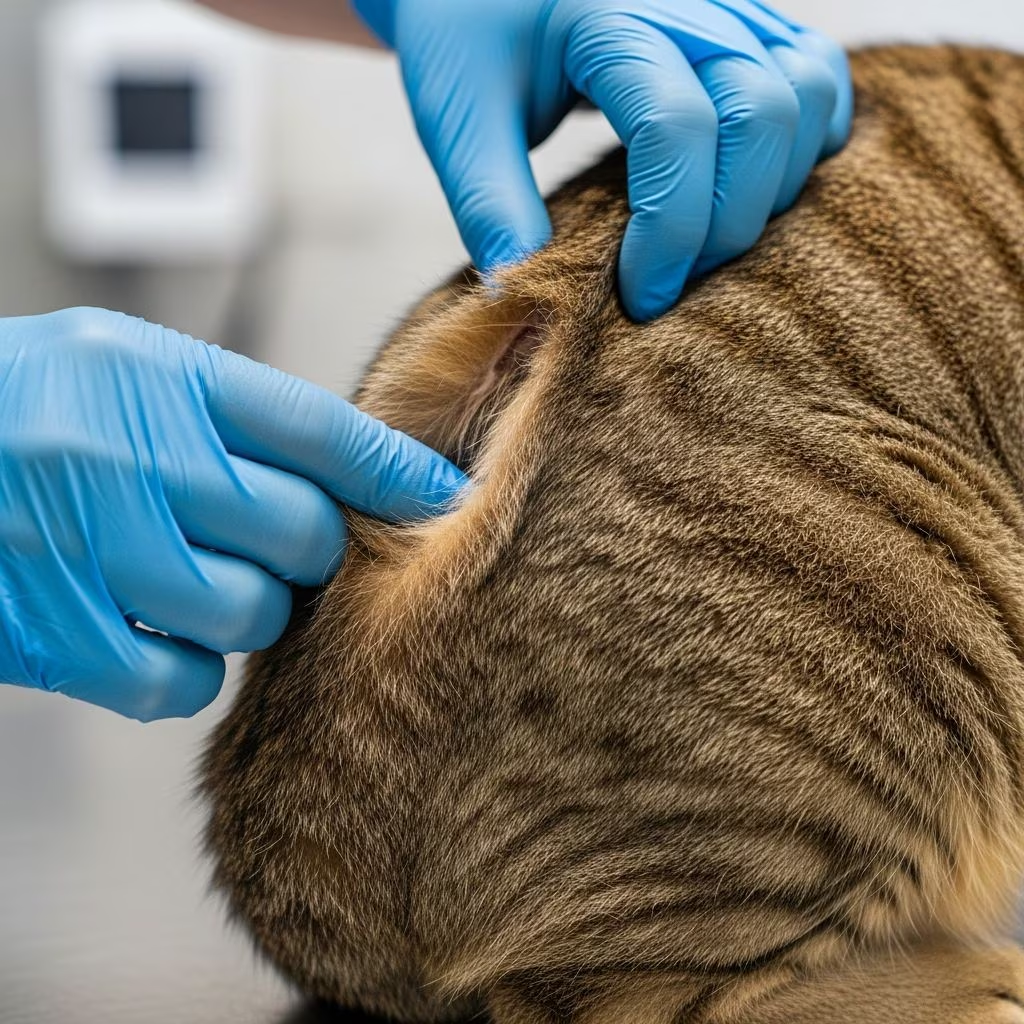
Can Cats Get Hemorrhoids? Vet-Approved Explanation
Have you taken a look at your cat’s backside and noticed something unusual? Perhaps it isn’t looking as it normally does. You might be wondering, can cats get hemorrhoids? After all, that could answer the enigma you’re staring at. But the answer is a little complicated. Cats don’t get hemorrhoids in the same traditional manner that a human does. What exactly does this mean? We’re going to go over the common conditions that can be confused with hemorrhoids in cats, what they mean, and the solution to the problem.
Cats Can’t Get Hemorrhoids, Traditionally Speaking
“Cat hemorrhoids” don’t exist, at least not in the same way we define it in humans. According to veterinary sources, cats do not get hemorrhoids in the same manner as humans. Hemorrhoids are swollen blood vessels in the lower rectum or anus. People commonly suffer from this condition if there is extra pressure on these vessels—for example in pregnancy, if overweight or when straining to defecate. These same anatomical and physiological conditions simply don’t develop in cats the way they do in humans, which is why traditional hemorrhoids are not a concern for feline health.
The confusion arises because cats can develop other health conditions that affect the same anatomical area, creating symptoms that superficially resemble hemorrhoids. Understanding the difference between true hemorrhoids and these conditions is essential for proper diagnosis and treatment. A veterinary examination is crucial whenever you notice abnormalities in your cat’s anal region, as several distinct conditions can mimic hemorrhoid symptoms.
Health Conditions That Resemble Hemorrhoids in Cats
While the swollen veins that cause hemorrhoids in people do not occur in cats, felines can develop medical conditions that resemble hemorrhoids. Understanding these conditions is vital for cat owners, as proper diagnosis leads to appropriate treatment. The main conditions that can be confused with hemorrhoids include rectal prolapse, anal sac disease, rectal tears, and rectal growths.
Rectal Prolapse
Rectal prolapse occurs when the inner lining of the rectum protrudes through the anus. This condition creates visible tissue protruding from the anus, which many pet owners initially mistake for hemorrhoids. The tissue may appear red, swollen, and uncomfortable for your cat.
Signs of rectal prolapse include:
- Visible tissue protruding from the anus
- Straining to pass stools
- Blood in the feces
- Discomfort or pain during defecation
- Excessive licking of the anal area
Common causes of rectal prolapse in cats:
- Chronic diarrhea or constipation
- Straining during bowel movements
- Parasitic infections
- Inflammatory bowel disease
- Trauma to the area
Rectal prolapse is easily diagnosed by your veterinarian through clinical examination. The treatment will depend on the severity and underlying cause. In mild cases, your vet may gently replace the tissue and address the underlying cause of straining. In severe cases where the rectal prolapse cannot be replaced or the tissue is badly damaged, surgery will be required. Post-operative care typically involves activity restriction and careful monitoring of the surgical site.
Anal Gland Disease
One of the most common conditions affecting the anal area in cats is anal gland disease. The anal glands are small sacs located on each side of the anus that produce a liquid helping mark your cat’s territory. This liquid is typically expelled when they pass a bowel movement. Conditions that affect the anal glands can often lead to a swollen and sore bottom, which may be confused with hemorrhoids.
Common problems with a cat’s anal glands include:
Impaction: If the anal sacs do not empty normally when a cat defecates, then the secretions sit in the sacs and can become thicker. The thicker it is, the more difficult it is for it to empty out, and the anal sacs can become impacted. This causes discomfort and swelling in the anal region.
Infection: If an impaction is not treated, the affected anal glands will become infected. An infected anal gland becomes increasingly painful and requires veterinary intervention.
Abscess: Infections can develop into painful abscesses which can burst, causing blood and pus to come from the area. This is a serious condition requiring immediate veterinary care.
Adenocarcinoma: Less commonly, cats can develop cancer in an anal gland. This requires specialized treatment and veterinary oncology consultation.
Signs of anal gland problems:
- Scooting behavior (dragging the bottom across the floor)
- Excessive licking of the anal area
- Swelling around the anus
- Difficulty defecating
- Blood or pus near the anus
- Foul-smelling discharge
- Behavioral changes or irritability
Most cats respond well to pain-relief medications and antibiotics when prescribed by a veterinarian. Your veterinarian may also recommend using warm compresses for additional pain relief. In cases of impaction, manual expression of the glands may be necessary, performed only by a trained veterinary professional.
Rectal and Anal Polyps
Cats may develop polyps in the rectal or anal area. These benign growths can cause significant discomfort and are often mistaken for hemorrhoids due to similar symptoms. Cats with these polyps may show signs of straining to pass stools and blood in the feces. Sometimes the polyp can protrude from the anus, creating an appearance similar to a hemorrhoid.
Unfortunately, little is known about the underlying cause of rectal and anal polyps in cats. It doesn’t seem that there is any evidence to support that a specific breed or sex of cat has an increased likelihood of developing these polyps. Since rectal and anal polyps can have many of the same signs as other diseases, your veterinarian will need to perform a thorough physical exam and may need to run some other tests before making a diagnosis.
Treatment typically involves surgical removal of the polyp. Your veterinarian will discuss the best approach based on the polyp’s size, location, and your cat’s overall health status.
Diarrhea and Rectal Irritation
Chronic or acute diarrhea can cause rectal irritation and swelling that resembles hemorrhoid symptoms. When your cat experiences loose stools, the frequent passage of stool and the irritating nature of the material can inflame the rectal lining.
If your cat has bloody diarrhea, fever, vomiting, lethargy, decreased appetite, or any other concerning signs, then you should contact your veterinarian straight away. Sometimes diarrhea improves quickly and no treatment is required. However, if the diarrhea is not settling quickly or is accompanied by other signs, then a veterinary visit is required. Your veterinarian may recommend further tests to diagnose the underlying cause and choose the best treatment option. Your cat may also require supportive treatments such as fluid therapy and special diets.
Recognizing Symptoms and When to Seek Veterinary Care
Recognizing the signs that something is wrong with your cat’s anal region is the first step in getting proper treatment. Several symptoms should prompt you to schedule a veterinary appointment:
- Visible swelling or protrusion from the anus
- Blood in your cat’s stool or on their fur
- Excessive licking or biting of the anal area
- Scooting behavior across the floor
- Difficulty or pain during defecation
- Discharge from the anus (bloody, purulent, or foul-smelling)
- Changes in bowel habits (constipation, diarrhea, or straining)
- Behavioral changes such as increased irritability or lethargy
If you notice any of these symptoms, it’s important to consult your veterinarian. What appears to be hemorrhoids could sometimes indicate other conditions that require different treatments. If you observe blood in your cat’s poop, it could signal various conditions affecting the anal or rectal region. Professional diagnosis is essential before proceeding with any home remedies.
Diagnostic Process
When you bring your cat to the veterinarian with concerns about their anal region, the diagnostic process typically involves several steps. Your veterinarian will take a detailed history of your cat’s symptoms, including when they started, their severity, and any associated behaviors. A thorough physical examination of the anal area will be performed, often using a flashlight or otoscope to visualize the region more clearly.
Depending on what is observed during the physical exam, your veterinarian may recommend additional diagnostic tests. These might include fecal analysis to check for parasites or infections, imaging studies such as radiographs or ultrasound, or in some cases, endoscopic examination to visualize the internal rectum more clearly.
Treatment Approaches
Treatment varies depending on the specific condition affecting your cat’s anal region. Your veterinarian will develop a treatment plan tailored to your cat’s diagnosis and severity of symptoms.
For anal gland issues: Manual expression of the glands may be performed by your veterinarian if impaction is present. Antibiotics are prescribed if infection is suspected. Pain management medications help keep your cat comfortable during the healing process.
For rectal prolapse: Mild cases may respond to gentle repositioning and treatment of the underlying cause of straining. Severe cases require surgical intervention to permanently correct the prolapse and prevent recurrence.
For polyps: Surgical removal is the standard treatment. Your veterinarian will discuss anesthesia and post-operative care with you.
For diarrhea-related irritation: Treating the underlying cause is essential. This may involve dietary changes, antibiotics if bacterial infection is present, or management of inflammatory conditions.
Frequently Asked Questions
Q: Can cats actually get hemorrhoids?
A: Cats do not get hemorrhoids in the same way humans do. True hemorrhoids are swollen blood vessels that result from conditions like pregnancy or straining that don’t typically affect cats. However, cats can develop other conditions affecting the anal region that create similar symptoms.
Q: What should I do if I notice blood near my cat’s anus?
A: Contact your veterinarian promptly for evaluation. While it may be from a minor issue like anal gland impaction, blood in or around the anal area warrants professional examination to determine the underlying cause.
Q: Is scooting always a sign of anal gland problems?
A: Scooting is a common sign of anal gland issues, but it can also indicate other conditions such as parasites, rectal irritation, or skin allergies. Your veterinarian will perform a thorough examination to determine the cause.
Q: Can anal gland problems go away on their own?
A: Mild impaction may sometimes resolve, but most anal gland issues require veterinary intervention. Without treatment, impaction can progress to infection and abscess formation, which are painful and serious conditions.
Q: Are certain cat breeds more prone to anal region problems?
A: While anal gland disease can occur in any cat, some evidence suggests long-haired cats may have slightly higher incidence rates. Overall, diet, hydration, weight management, and gastrointestinal health play more significant roles than breed.
Q: How can I prevent anal gland problems in my cat?
A: Maintain a high-fiber diet to promote healthy bowel movements, ensure your cat stays hydrated, keep them at a healthy weight, and address any gastrointestinal issues promptly. Regular veterinary checkups can catch problems early.
Q: What is the recovery time after surgical treatment?
A: Recovery depends on the specific procedure and your cat’s health. Most cats recover within 1-2 weeks with appropriate pain management, activity restriction, and veterinary follow-up care. Your veterinarian will provide specific post-operative instructions.
Summary
While the swollen veins that cause hemorrhoids in people do not occur in cats, kitties can still develop medical conditions that resemble hemorrhoids. The main ones include rectal prolapse, swelling from anal sac disease, swollen rectal tears, and rectal growths. It’s always best to address any of these conditions as soon as possible. Any time something appears abnormal in this area, make sure to get your cat a veterinary exam for a proper diagnosis and treatment options.
If you need to speak with a veterinarian but can’t get to one in person, online veterinary services offer convenient consultation options where you can discuss your cat’s symptoms with a licensed veterinarian and receive professional advice at an affordable price.
References
- Disorders of the Rectum and Anus in Cats — Merck Veterinary Manual. 2025. https://www.merckvetmanual.com/cat-owners/digestive-disorders-of-cats/disorders-of-the-rectum-and-anus-in-cats
- Anal Sac Disease in Cats — VCA Animal Hospitals. 2025. https://vcahospitals.com/know-your-pet/anal-sac-disease-in-cats
- Hemorrhoids in Cats: 5 Proven Treatments for Feline Relief — The Pet Vet. 2025. https://thepetvet.com/hemorrhoids-in-cats/
- Can Cats Get Hemorrhoids? – Cats.com — Cats.com. 2025. https://cats.com/cat-hemorrhoids
- Anal Sac Disease in Cats: Causes, Symptoms, and Treatment — PetCareRx. 2025. https://www.petcarerx.com/article/anal-sac-disease-in-cats-causes-symptoms-and-treatment/6674



