

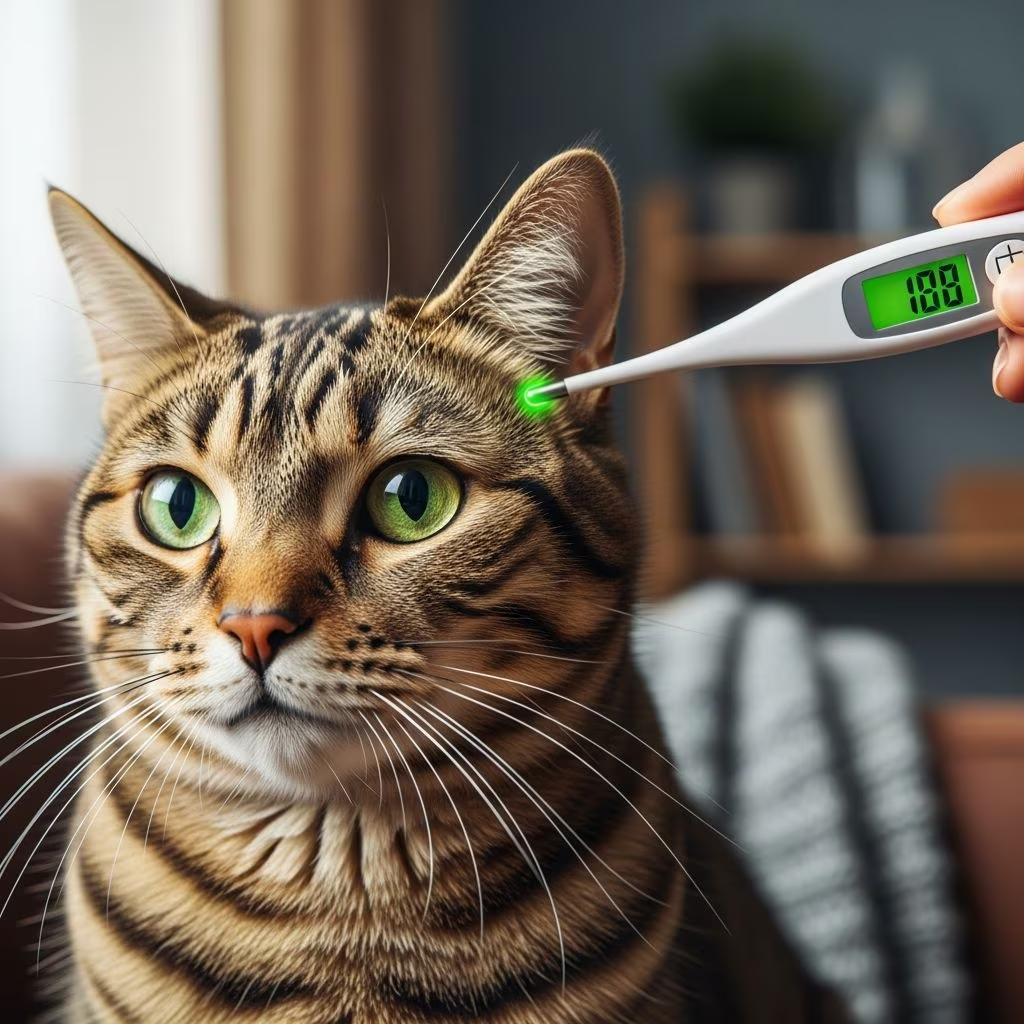
Yes, cats can and do get fevers, just like humans and other animals. A fever in cats is the body’s natural response to infection, inflammation, or other underlying issues, signaling the immune system is actively fighting something off. Normal body temperature in cats ranges from 100.4°F to 102.5°F (38°C to 39.2°C), and anything above 102.5°F (39.2°C) may indicate a fever, with temperatures over 106°F (41.1°C) considered a medical emergency requiring immediate veterinary attention.
Fevers serve a protective purpose by creating an environment less hospitable to pathogens, but persistent or high fevers can lead to dehydration, organ stress, and life-threatening complications if untreated. Recognizing fever early is crucial for cat owners, as cats are masters at hiding illness. This comprehensive guide covers symptoms, causes, diagnosis, treatment, and prevention, drawing from veterinary expertise to help you keep your feline companion healthy.
How to Tell If Your Cat Has a Fever
Unlike humans, cats don’t sweat profusely or show obvious signs like chills, making fever detection trickier. Instead, they exhibit subtle behavioral and physical changes. Key indicators include:
- Lethargy and weakness: Your usually playful cat may sleep more, hide, or move sluggishly.
- Loss of appetite: Refusal to eat, even favorite treats, is a red flag.
- Warm ears, nose, or body: Gently touch these areas; they feel hotter than usual, though this isn’t foolproof.
- Shivering or trembling: Cats may shake as their body tries to regulate temperature.
- Dehydration signs: Sunken eyes, dry gums, or skin that doesn’t snap back when pinched.
- Rapid breathing or panting: Especially unusual in calm settings.
- Discharge from eyes/nose: Often accompanies respiratory-related fevers.
These symptoms overlap with many illnesses, so temperature measurement is essential for confirmation. Not all warm-feeling cats have fevers—excitement, exercise, or anxiety can temporarily elevate temperature without illness.
How to Take Your Cat’s Temperature
Accurately measuring your cat’s temperature requires patience and the right tools. Rectal thermometers are most reliable, but ear or forehead models designed for pets work too. Here’s a step-by-step guide:
- Gather supplies: Digital pet thermometer (lubricant like petroleum jelly, treats for rewards).
- Prepare your cat: Wrap in a towel (burrito-style) to prevent scratches; stay calm.
- Lubricate and insert: Apply lube to the tip, gently insert 1 inch into rectum, hold until beep (avoid forcing).
- Read and record: Note the temperature and time; repeat if needed after 10-15 minutes.
- Reward and monitor: Give treats/praise; recheck if elevated.
Avoid human oral thermometers due to mercury risk and inaccuracy. If your cat resists, seek vet help—never force it. Normal range: 100.4-102.5°F; 103-103.9°F mild fever; over 104°F urgent.
Causes of Fevers in Cats
Cat fevers stem from the immune system’s activation via pyrogens (fever-inducing substances) that reset the brain’s hypothalamus thermostat. Common triggers fall into these categories:
Infections (Most Common)
- Bacterial: Abscesses from fights, urinary tract infections (UTIs), respiratory infections.
- Viral: Feline leukemia virus (FeLV), feline immunodeficiency virus (FIV), feline infectious peritonitis (FIP), herpesvirus, calicivirus (cat flu), panleukopenia.
- Fungal: Less common but serious, like cryptococcosis.
Parasites
Certain parasites cause fevers; common fleas/worms usually don’t, but toxoplasmosis (from Toxoplasma gondii), cytauxzoonosis (bobcat fever from ticks), haemobartonellosis, ehrlichiosis, bartonellosis (cat scratch fever) do. Outdoor cats are at highest risk.
Non-Infectious Causes
- Trauma/Injury: Bites, wounds, surgery aftermath.
- Autoimmune/Immune-Mediated: Lupus, immune-mediated hemolytic anemia (IMHA).
- Medications/Vaccines: Mild, short-lived reactions.
- Tumors/Cancer: Lymphoma or other growths.
- Other: Pancreatitis, poisoning, endocrine disorders like eclampsia (milk fever post-kittening).
Outdoor cats face elevated risks from contagious diseases; indoor cats are safer but not immune.
Treating Fever in Cats
Never give human medications like acetaminophen (Tylenol) or ibuprofen— they’re toxic to cats and can cause fatal organ damage. Treatment targets the root cause:
- Fluid therapy: IV or subcutaneous fluids combat dehydration.
- Antibiotics/Antifungals: For bacterial/fungal infections.
- Antivirals/Supportive care: For viruses, focusing on hydration/nutrition.
- Anti-inflammatories: Vet-prescribed only, like meloxicam.
- Hospitalization: For severe cases (high fever, shock).
At home: Offer cool water, quiet space, bland food; monitor closely. Most cats recover with prompt care, but chronic fevers (e.g., FIP) may persist.
When to See a Vet for Cat Fever
Act fast—fevers over 104°F or lasting >24 hours need immediate vet care. Seek help if accompanied by vomiting, diarrhea, seizures, breathing issues, or in kittens/seniors. Diagnostic tests may include bloodwork, imaging, cultures. Early intervention boosts recovery odds dramatically.
Preventing Fevers in Cats
Prevention beats cure:
- Vaccinations: Core vaccines against panleukopenia, herpes/calicivirus, FeLV.
- Parasite control: Flea/tick preventives, indoor living.
- Regular vet checkups: Catch issues early.
- Hygiene: Clean litter box, avoid toxins.
- Spay/neuter: Reduces fight/abscess risks.
Keep records of vaccines/temperatures for vet reference.
Frequently Asked Questions (FAQs)
Can parasites cause fevers in cats?
Yes, parasites like those causing toxoplasmosis and cytauxzoonosis can trigger fevers, unlike common fleas or worms.
Do cats recover from fevers?
Most do with proper treatment of the underlying cause, though some like FIP may recur chronically.
Can indoor cats get fevers?
Yes, from viruses, medications, or other issues; outdoor cats risk more infectious causes.
Is a warm nose always a fever in cats?
No—excitement or environment can warm it; measure temperature for accuracy.
What is fever of unknown origin (FUO) in cats?
FUO is persistent fever without identifiable cause, often viral like FeLV/FIV; requires thorough diagnostics.
References
- Cat Fever Symptoms, Causes & What To Do — Augusta Vet. 2022-05-15. https://www.hahaugusta.com/site/blog/2022/05/15/cat-fever
- Fever in Cats – Causes, Symptoms & Treatments — VMSG-OC. 2021-12-15. https://www.vmsg-oc.com/site/blog/2021/12/15/fever-in-cats
- Fever in Cats — PetMD. N/A. https://www.petmd.com/cat/symptom/fever-cats
- How to Tell if a Cat Has a Fever — Pinnacle Veterinary Specialists. N/A. https://pinnacle.vet/blog/how-to-tell-if-a-cat-has-a-fever/
- Fever in Cats: Symptoms and Treatments — WebMD. N/A. https://www.webmd.com/pets/cats/fevers-in-cats
- Fever in Cats — Rancho Park Veterinary Clinic. 2023-06-30. https://www.ranchoparkveterinaryclinic.com/site/blog/2023/06/30/fever-cats
- Fever of Unknown Origin in Cats — VCA Animal Hospitals. N/A. https://vcahospitals.com/know-your-pet/fever-of-unknown-origin-for-cats



