

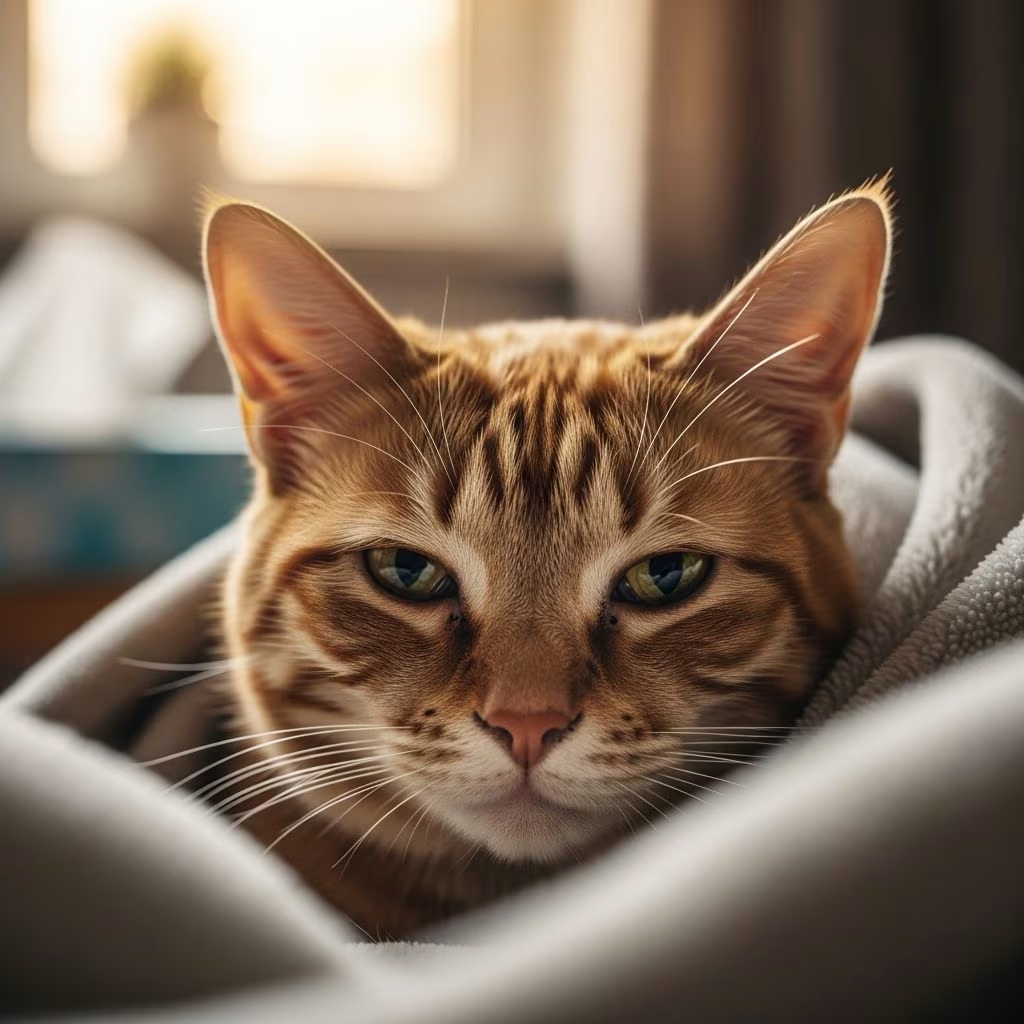
Cats cannot catch human colds, but they can develop upper respiratory infections (URIs) that closely resemble the common cold in humans, often called “cat colds” or “cat flu.” These infections primarily affect the nose, throat, and sinus areas, causing discomfort and potentially leading to more serious issues if untreated. Feline URIs are highly contagious among cats and are usually caused by viruses, with bacteria playing a secondary role. Early recognition and proper care are crucial for a swift recovery, especially in kittens, seniors, or immunocompromised cats.
What Is a Cat Cold?
A “cat cold” refers to feline upper respiratory infection (URI), a broad term encompassing infections of the nasal passages, sinuses, throat, and sometimes eyes. Unlike human colds caused by rhinoviruses, cat colds are predominantly viral, with feline herpesvirus (FHV-1) and feline calicivirus (FCV) as the main culprits, responsible for up to 90% of cases. Bacterial infections like Chlamydia felis or Bordetella can complicate matters, leading to secondary issues. These infections spread through direct contact with infected secretions, shared litter boxes, food bowls, or airborne droplets from sneezing. Multi-cat households, shelters, and catteries see higher incidence due to close proximity.
Symptoms typically appear 2-10 days after exposure and last 1-3 weeks in mild cases. While most cats recover fully, chronic carriers of FHV-1 (up to 80% of infected cats) can shed the virus during stress, perpetuating outbreaks. Kittens under 6 months and senior cats over 10 years are at higher risk for severe complications like pneumonia.
Cat Cold Symptoms
Recognizing cat cold symptoms early allows for timely intervention. Common signs include:
- Sneezing: Frequent and forceful, often with nasal discharge.
- Nasal Discharge: Clear initially, turning thick, yellow, or green if bacterial.
- Eye Discharge: Watery to pus-like, causing squinting or conjunctivitis.
- Coughing: Dry or productive, indicating throat irritation.
- Fever: Elevated temperature above 102.5°F (39.2°C).
- Lethargy and Loss of Appetite: Reduced energy and refusal to eat.
- Mouth Ulcers: Especially with FCV, causing drooling and pain.
- Breathing Difficulties: Open-mouth breathing or wheezing in severe cases.
Monitor for dehydration (sunken eyes, tacky gums) or weight loss, which signal the need for veterinary attention.
Causes of Cat Colds
The primary causes are viral:
- Feline Herpesvirus (FHV-1): Causes sneezing, eye/nasal discharge, fever; lifelong carrier state common.
- Feline Calicivirus (FCV): Leads to ulcers, limping, severe pneumonia in some strains.
Secondary bacterial infections (e.g., Mycoplasma, Bordetella) exacerbate symptoms. Risk factors include stress, poor ventilation, overcrowding, and unvaccinated status. Outdoor cats face higher exposure from strays.
Are Cat Colds Contagious?
Yes, cat colds are highly contagious among cats via respiratory secretions, feces, or fomites (contaminated objects). Direct nose-to-nose contact or grooming spreads viruses rapidly. Incubation is 2-6 days for FHV-1 and up to 10 for FCV. Infected cats can shed virus for weeks or lifelong intermittently. Humans and dogs cannot catch or transmit feline URIs. Quarantine new cats for 2 weeks and isolate sick ones until symptom-free.
How Long Does a Cat Cold Last?
Mild cases resolve in 7-10 days with supportive care. Moderate infections last 2-3 weeks. Severe or complicated cases may take 4-6 weeks, especially if pneumonia develops. Chronic FHV-1 can cause recurrent flare-ups triggered by stress. Most cats (over 90%) recover fully without antibiotics if viral.
Treatment for Cat Colds
Treatment focuses on symptom relief and preventing secondary infections, as no cure exists for viral causes. Vet-prescribed options include:
- Antibiotics: Doxycycline or amoxicillin for bacterial components.
- Antivirals: Famciclovir for FHV-1.
- Eye Drops/Ointments: For conjunctivitis.
- Fluid Therapy/Feeding Tubes: For dehydrated or anorexic cats.
Severe cases require hospitalization. Never use human medications, as they can be toxic.
Home Remedies for Cat Colds
Supportive home care speeds recovery:
- Humidify Air: Use a humidifier or steam from a hot shower (place carrier with hot water bowl, cover 15 mins).
- Clean Face: Wipe eyes/nose with warm, damp cloth or saline.
- Warm, Aromatic Food: Soft, heated wet food to entice eating.
- Warm Environment: Extra blankets, quiet space.
- Reduce Stress: Pheromone diffusers, confine to small area.
| Symptom | Home Remedy | Caution |
|---|---|---|
| Nasal Congestion | Humidifier/Steam | Monitor breathing |
| Eye Discharge | Warm saline wipe | Avoid irritants |
| Anorexia | Warmed soft food | Seek vet if >24h |
When to See a Vet for Your Cat’s Cold
Seek immediate care if:
- Symptoms persist >3-4 days.
- Lethargy, no eating/drinking >24h.
- Green discharge, fever >104°F, breathing issues.
- Kitten/senior cat affected.
Early vet visit prevents pneumonia or dehydration.
Preventing Cat Colds
Prevention combines vaccination, hygiene, and lifestyle:
- Vaccinations: Core vaccines for FHV-1/FCV; boosters every 1-3 years.
- Hygiene: Disinfect surfaces, bowls; isolate sick cats.
- Indoor Living: Reduces exposure.
- Stress Reduction: Stable routine, enrichment.
- Quarantine New Cats: 2 weeks.
Frequently Asked Questions (FAQs)
Can humans pass colds to cats?
No, feline colds are species-specific; humans can’t transmit or catch them.
Can cats get colds from dogs?
No, dog respiratory viruses don’t affect cats.
Is a cat cold dangerous?
Usually mild, but severe in young/old cats; monitor closely.
How do you treat a cat cold at home?
Steam, cleaning, warm food, humidifier; no OTC meds.
Will my cat always have a cold?
No, most recover; carriers may recur with stress.
References
- What Every Cat Owner Should Know About Cat Cold Symptoms — bfahnh.com. 2024. https://bfahnh.com/blog/cat-cold-symptoms/
- Feline Upper Respiratory Infection (Cat Flu): What It Is, Signs & Symptoms and How to Treat It — trudellanimalhealth.com. 2024. https://trudellanimalhealth.com/blogs/blog/feline-upper-respiratory-infection-cat-flu-what-it-is-signs-amp-symptoms-and-how-to-treat-it
- What to do if your cat has a cold — fourpawsusa.org. 2024. https://www.fourpawsusa.org/our-stories/publications-guides/cat-cold-what-to-do
- Cats & Colds: Can They Get Them & What to Do? — crittercreekvet.com. 2024-01-31. https://www.crittercreekvet.com/site/blog/2024/01/31/cats-colds
- Cats & Colds: Can They Get Them & What To Do? — centerstarvet.com. 2023-04-30. https://www.centerstarvet.com/site/blog/2023/04/30/cats-colds
- What should I do if my cat has a cold? — bartonheights.com. 2024-02-29. https://www.bartonheights.com/site/blog/2024/02/29/cat-cold
- Cat Colds & What To Do — petdoctorsofamerica.com. 2021-11-30. https://www.petdoctorsofamerica.com/site/blog/2021/11/30/cat-colds-can-they-get-them-what-can-i-do
- Cat Colds: Symptoms, Causes, and Treatment — petmd.com. 2024. https://www.petmd.com/cat/conditions/respiratory/cat-colds



