

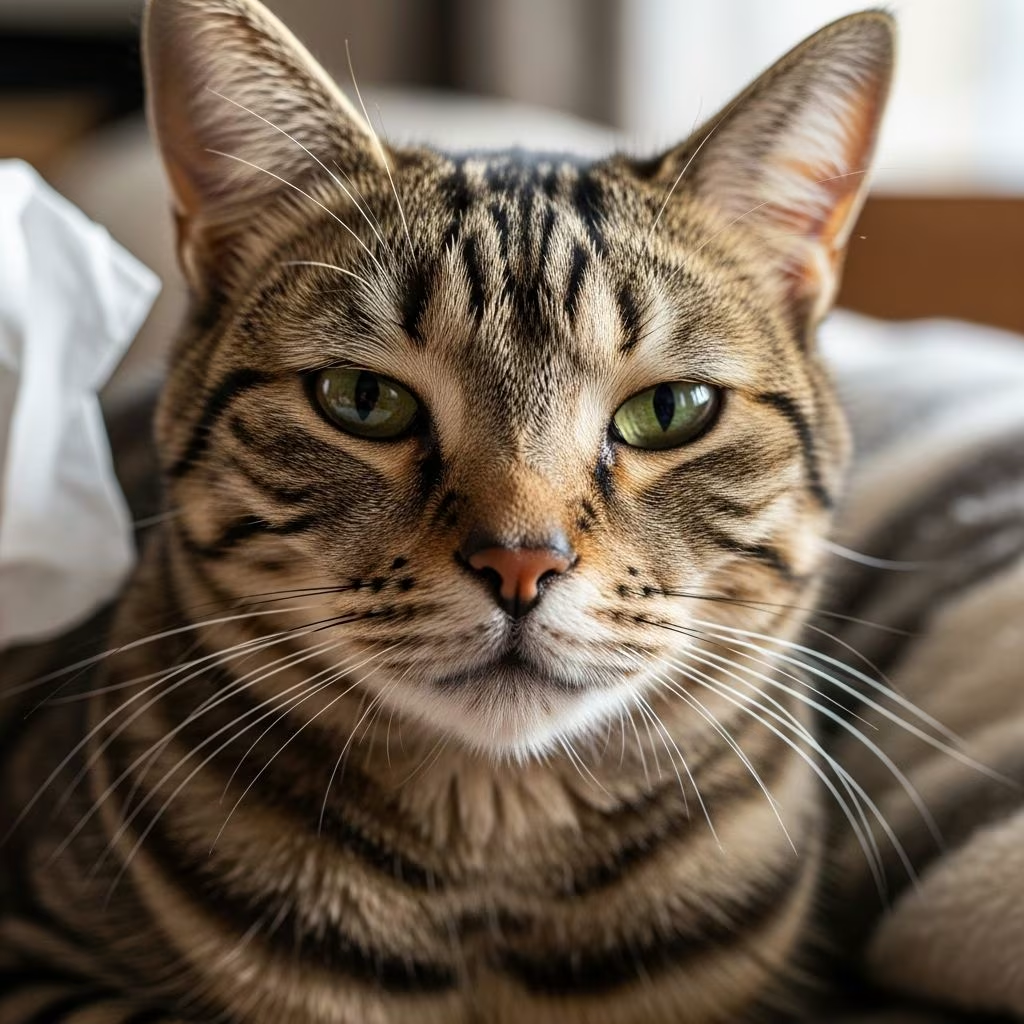
Can Cats Get Colds?
Yes, cats can absolutely catch colds, just like humans do. What we commonly refer to as a “cat cold” is medically known as a feline upper respiratory infection (URI). These infections are similar to the common cold in people and typically develop when cats are exposed to viral or bacterial pathogens. While cat colds are generally not considered life-threatening for healthy adult cats, they can cause significant discomfort and, in some cases, lead to more serious complications if left untreated.
Feline upper respiratory infections are among the most common health issues affecting domestic cats. Young kittens, senior cats, and those with compromised immune systems are particularly vulnerable to developing severe symptoms. Understanding the nature of cat colds, their causes, and how to manage them is essential for every cat owner who wants to keep their feline companion healthy and comfortable.
Understanding Feline Upper Respiratory Infections
Feline upper respiratory infections encompass a range of viral and bacterial pathogens that affect the nose, throat, and upper airway of cats. These conditions are highly contagious among cats and can spread through direct contact, respiratory droplets, or contaminated surfaces. The severity of symptoms can vary considerably depending on the specific pathogen involved, the cat’s age, overall health status, and immune function.
Unlike human colds, which are primarily caused by rhinoviruses, feline upper respiratory infections result from multiple different pathogens. This diversity in causative agents makes prevention and treatment strategies more complex, and it’s why vaccination remains crucial for protecting cats from these infections.
Common Causes of Cat Colds
Several different viruses and bacteria can cause feline upper respiratory infections. Understanding these causative agents helps cat owners recognize why vaccination and preventive care are so important:
- Feline Herpesvirus (FHV): This is one of the most common viral culprits behind cat colds. It causes significant respiratory symptoms and can lead to severe complications if not properly managed.
- Feline Calicivirus (FCV): Another prevalent cause of respiratory infections in cats, FCV typically manifests as oral ulcers, respiratory symptoms, and occasional lameness. Numerous strains exist, making vaccination essential.
- Chlamydophila Felis (C. felis): This bacterial pathogen causes respiratory infections characterized by severe coughing and nasal discharge, typically requiring antibiotic treatment.
- Bordetella Bronchiseptica: While more commonly associated with dogs, this bacterial infection can also infect cats, causing severe coughing and nasal discharge that respond well to antibiotics.
Recognizing Cat Cold Symptoms
Cat cold symptoms typically begin with sneezing, and additional signs usually appear over the course of 24 hours. Early recognition of these symptoms is crucial for prompt treatment and prevention of complications.
Common Symptoms Include:
- Excessive sneezing and coughing
- Runny nose and nasal congestion
- Red, watery eyes
- Congestion leading to open-mouth breathing
- Loss of appetite
- Fever
- Dehydration
- General lethargy and reduced activity
It’s important to note that symptoms can vary in severity depending on the specific pathogen and the cat’s overall health. Some cats may experience mild symptoms that resolve quickly, while others may develop more severe respiratory distress.
When to Seek Veterinary Care
While most cat colds are harmless and resolve within one to two weeks, professional veterinary attention is necessary in certain situations. Pet owners should monitor their cat’s condition closely and contact their veterinarian if symptoms persist beyond four days without improvement. A cold that doesn’t improve with home care may develop into pneumonia, a more serious condition requiring aggressive treatment.
Cats showing signs of severe respiratory distress, inability to eat or drink, persistent high fever, or unusual behavior should receive immediate veterinary attention. Very young kittens and senior cats require especially close monitoring, as they are more susceptible to complications.
Diagnosing Cat Colds
Veterinarians use several diagnostic methods to identify the specific cause of a cat’s upper respiratory infection:
Laboratory Testing:
- Nasal or Throat Swabs: These are analyzed to detect the presence of viruses like Feline Herpesvirus or Feline Calicivirus.
- Blood Tests: These help assess the overall health of the cat and rule out other conditions that may mimic cold symptoms.
- PCR Testing: Polymerase Chain Reaction testing can identify specific pathogens, offering precise diagnosis.
Imaging Techniques:
- X-rays: These can reveal complications such as pneumonia or structural abnormalities in the respiratory tract.
- Ultrasound: Used in some cases to examine lung condition and surrounding tissues.
Treatment Strategies for Cat Colds
Treatment approaches are tailored to the cat’s specific symptoms, the severity of illness, and the identified causative agent.
Medications:
- Antivirals: Used if a virus is the primary cause, such as Feline Herpesvirus.
- Antibiotics: Prescribed when there’s a bacterial infection or to prevent secondary bacterial infections in viral colds.
Supportive and Home Care:
- Fluid Therapy: To prevent dehydration and maintain proper hydration, especially if the cat is not eating well.
- Nutritional Support: Encouraging the cat to eat by offering palatable, aromatic foods; in severe cases, a feeding tube might be needed.
- Regular Cleaning: Wiping the cat’s nose and eyes to remove discharge and prevent crust formation.
Environmental Management:
- Humidifiers: Adding moisture to the air can help ease breathing.
- Quiet and Warm Environment: Keeping the cat in a calm and warm area helps facilitate faster recovery.
Caring for Your Cat at Home
Home care plays a vital role in helping your cat recover from a cold. Providing comfort, maintaining hydration, and creating an optimal recovery environment can significantly speed up healing.
Immediate Care Steps:
- Wipe your cat’s runny nose gently with a soft, clean cloth to keep airways clear.
- Clean watery eyes with a soft cloth dipped in saline solution to soothe irritation.
- Run a humidifier (without essential oils) to relieve nasal congestion and airway irritation.
Steam Inhalation Technique:
If your cat seems stuffed up and has difficulty breathing, you can try this safe technique: secure your cat in their pet carrier, place a bowl of hot water in front of the cage, and cover both with a blanket for approximately 15 minutes. This creates a warm, moist environment that can help ease congestion.
Nutrition and Hydration:
It’s critical that your cat continues eating and drinking to recover faster. Offer warmed, soft food that’s easier to swallow, as this makes the feeding process more appealing when the cat is congested. Ensure fresh water is always available, and monitor intake closely.
Comfort Measures:
Provide extra blankets in your cat’s favorite resting spots to help maintain warmth and comfort. Keep your cat in a quiet, calm environment to minimize stress and allow adequate rest for recovery.
Immune System Support:
You can offer your pet food supplements enriched with important nutrients and vitamins to strengthen the immune system. Always consult your veterinarian before introducing any supplements to ensure they’re appropriate for your cat.
Important Medication Warnings
Never give your cat human cold medication or any medication without explicit veterinary guidance. Many common over-the-counter cold remedies are toxic to cats or can interfere with their recovery. Always consult with your veterinarian about appropriate treatment options for your specific cat.
Preventing Cat Colds
While no prevention method offers 100% protection against infection, effective strategies can significantly reduce the risk of your cat catching a cold.
Vaccination Strategies:
- Core Vaccines: Regular vaccinations against Feline Herpesvirus and Feline Calicivirus are essential for comprehensive protection.
- Timely Boosters: Keeping up with booster shots as recommended by your veterinarian maintains immunity levels.
Vaccination is particularly important because the numerous strains of some pathogens make natural immunity incomplete. Regular professional consultations ensure your cat receives appropriate vaccination protocols based on lifestyle and risk factors.
Recovery Timeline and Expectations
In most cases, cat colds are harmless and will resolve completely within one to two weeks. However, under your loving care and with proper monitoring, most house cats should show significant improvement within several days.
If symptoms show no signs of clearing up by the fourth day, you should contact your veterinarian for an appointment. Early intervention prevents progression to more serious conditions like pneumonia, which require more intensive treatment.
Frequently Asked Questions
Q: How long does a cat cold typically last?
A: Most cat colds are harmless and resolve within one to two weeks with proper care and monitoring.
Q: Can I catch a cold from my cat?
A: No, feline upper respiratory infections are species-specific and cannot be transmitted to humans. However, you should maintain good hygiene practices when handling your sick cat.
Q: Are cat colds contagious to other cats?
A: Yes, feline upper respiratory infections are highly contagious among cats and spread through direct contact, respiratory droplets, or contaminated surfaces. Keep sick cats separated from other cats in your home.
Q: What should I do if my cat refuses to eat while sick?
A: Try offering warmed, soft food with stronger aromas to encourage eating. If refusal continues, contact your veterinarian, as they may recommend a feeding tube or other nutritional support for severe cases.
Q: Is a humidifier safe for cats with colds?
A: Yes, humidifiers are safe and beneficial for cats with colds, helping to ease nasal congestion and airway irritation. Ensure you use a humidifier without essential oils, as some oils can be harmful to cats.
Q: When should I be concerned about my cat’s cold?
A: Contact your veterinarian if symptoms persist beyond four days, your cat shows signs of severe respiratory distress, cannot eat or drink, or develops unusual behavior.
References
- What Every Cat Owner Should Know About Cat Cold Symptoms — BFA HNH. 2024. https://bfahnh.com/blog/cat-cold-symptoms/
- Cats & Colds: Can They Get Them & What To Do? — Miller Clark Animal Hospital. 2024. https://www.millerclarkanimalhospital.com/site/blog/2024/07/31/what-stomatitis-cats-causes-copy
- What to do if your cat has a cold — Four Paws. https://www.fourpawsusa.org/our-stories/publications-guides/cat-cold-what-to-do
- Cat Colds & What To Do — Pet Doctors of America. 2021. https://www.petdoctorsofamerica.com/site/blog/2021/11/30/cat-colds-can-they-get-them-what-can-i-do
- Cats & Colds: Can They Get Them & What to Do? — Critter Creek Veterinary Clinic. 2024. https://www.crittercreekvet.com/site/blog/2024/01/31/cats-colds
- My Cat Has a Cold: Helping Your Cat Through an Upper Respiratory Infection — Rockland Veterinary Medical Center. 2021. https://www.rocklandvet.com/site/blog/2021/11/30/cat-upper-respiratory-infection
- What to Do if Your Cat has a Cold — Rock Hill Emergency Vet. 2023. https://www.rock-hill.carolinavet.com/site/blog/2023/10/15/cat-cold



