

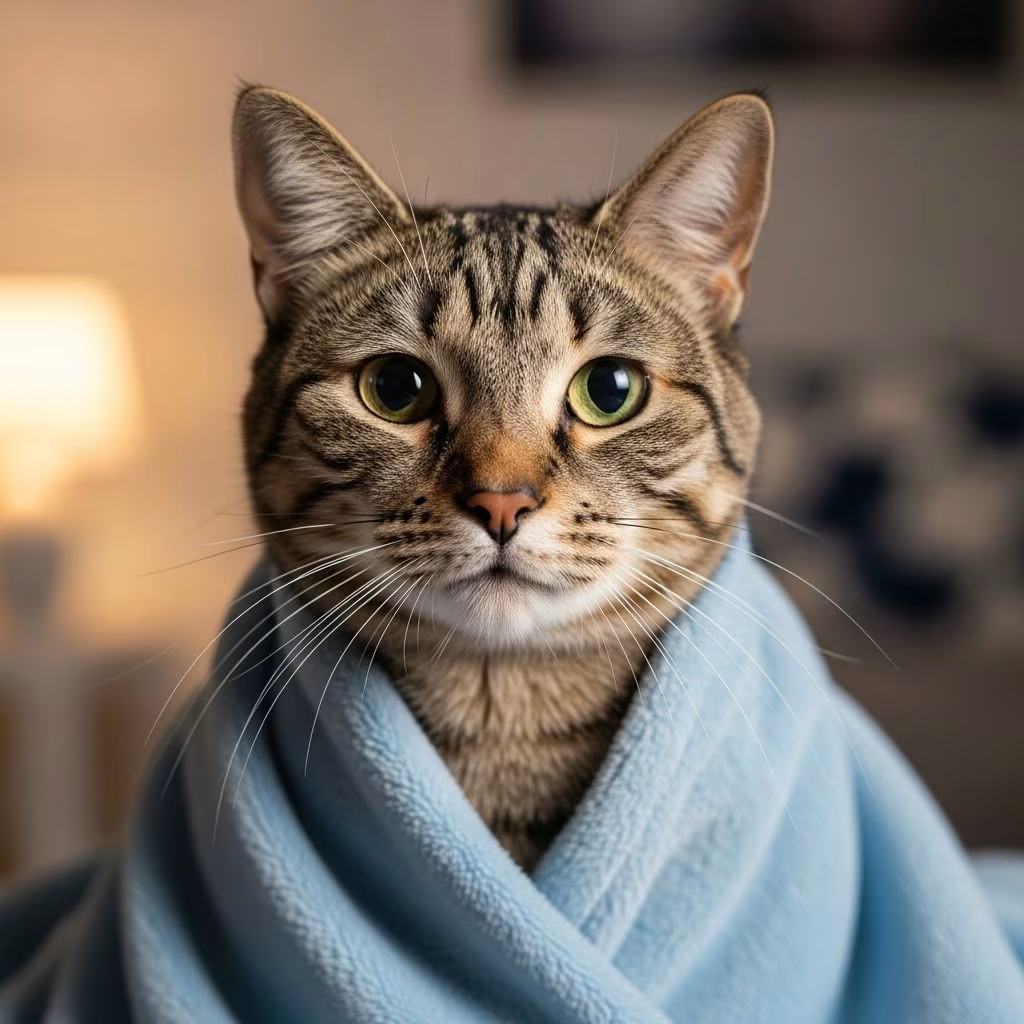
Cats can indeed experience conditions similar to human colds, primarily through feline upper respiratory infections (URIs), often referred to as “cat flu.” These infections, caused mainly by viruses like feline herpesvirus and calicivirus in about 90% of cases, lead to symptoms such as sneezing, nasal discharge, and eye issues, mirroring human cold symptoms. While most cases resolve within 5-10 days with supportive care, they can escalate to serious complications like pneumonia, especially in kittens, seniors, or immunocompromised cats, necessitating prompt veterinary attention.
What Causes Cat Colds?
Feline URIs stem from viral or bacterial pathogens. The primary culprits are feline herpesvirus type 1 (FHV-1) and feline calicivirus (FCV), responsible for the majority of infections. These viruses spread easily in multi-cat environments like shelters or catteries via direct contact, shared litter boxes, or airborne droplets from sneezing. Secondary bacterial infections often complicate the viral onset, worsening symptoms. Unlike human colds caused by rhinoviruses, cat colds are not directly transmissible to humans but require vigilant hygiene to prevent household spread among pets.
Risk factors include stress, poor ventilation, overcrowding, and unvaccinated status. Kittens and older cats face higher vulnerability due to immature or weakened immune systems. Bacterial contributors like Chlamydia felis or Bordetella can also play a role, treatable with antibiotics.
Symptoms of Cat Colds
Recognizing early signs is crucial for timely intervention. Common symptoms include:
- Sneezing and nasal congestion, often with clear or thick discharge
- Eye discharge, ranging from watery to pus-like, potentially leading to ulcers
- Lethargy and loss of appetite, making cats reluctant to play or eat
- Coughing or wheezing in moderate cases
- Mouth ulcers or drooling, especially with calicivirus
- Fever and difficulty breathing if infection spreads
Symptoms typically appear 2-6 days post-exposure and peak within days. Mild cases may self-resolve in 1-2 weeks, but persistent signs beyond 4 days warrant a vet visit to rule out pneumonia or chronic issues. Monitor for dehydration from reduced eating/drinking.
Are Cat Colds Contagious?
Yes, cat colds are highly contagious among felines. Transmission occurs through respiratory secretions, saliva, or contaminated surfaces. Infected cats shed viruses for weeks, even asymptomatically, posing risks in households with multiple cats. Isolation of sick cats, thorough cleaning, and quarantine for 2-3 weeks post-recovery minimize spread. Humans do not catch cat flu, but can mechanically transfer viruses via hands or clothing.
How Long Do Cat Colds Last?
Most uncomplicated URIs last 7-14 days, with peak symptoms in the first 3-5 days. Supportive care accelerates recovery. However, herpesvirus carriers may experience lifelong latency, reactivating under stress with recurrent episodes. Calicivirus can persist similarly. Severe cases requiring hospitalization may extend recovery to 3-4 weeks. Track progress daily; no improvement after 4 days signals need for professional care.
Treatment for Cat Colds
No cure exists for viral cat colds; treatment focuses on symptom relief and preventing secondary infections to bolster the immune response. Veterinarians may prescribe:
- Antibiotics for bacterial complications, like doxycycline for chlamydia
- Antiviral medications such as famciclovir for severe herpesvirus cases
- Eye ointments or drops to treat conjunctivitis or ulcers
- Pain relief and anti-inflammatories for comfort
- Fluid therapy or feeding tubes for dehydrated or anorexic cats
Hospitalization is reserved for non-eating cats or those with breathing distress. Always consult a vet before any medication—human cold remedies are toxic to cats.
Home Remedies and Care for Cats with Colds
Supportive home care enhances recovery and comfort. Key strategies include:
- Humidify the air: Use a humidifier or steam from a hot shower/bathroom session to loosen mucus. For congestion, place the cat in a carrier with hot water nearby, covered for 15 minutes
- Gentle cleaning: Wipe eyes and nose with a warm, damp cloth or saline-soaked gauze daily to prevent crusting
- Encourage eating: Offer warmed, soft, pungent foods like canned tuna or pate to tempt appetite despite smell/taste loss
- Keep warm: Add extra blankets to bedding; maintain a draft-free, quiet space for rest
- Hydration: Provide fresh water; consider low-sodium broth if refusing
Avoid essential oils in humidifiers, as they can irritate airways. Supplements like lysine may help herpesvirus cases, but vet approval is essential.
Prevention of Cat Colds
Vaccination is the cornerstone of prevention. Core vaccines protect against FHV-1 and FCV, administered in kitten series and boosters. Additional vaccines cover bordetella or chlamydia in high-risk cats. Best practices include:
- Annual vet check-ups and vaccinations
- Quarantine new cats for 2 weeks
- Stress reduction via enrichment and routine
- Regular cleaning of litter boxes, bowls, and bedding
- Good ventilation in multi-cat homes
Shelter adoptions often include URI risks; choose vaccinated, tested kittens from reputable sources.
When to See a Vet for Your Cat’s Cold
Seek immediate care if symptoms include labored breathing, high fever, severe lethargy, refusal to eat/drink >24 hours, green/yellow discharge, or persistence beyond 4 days. Kittens, seniors, or cats with pre-existing conditions merit quicker evaluation. Early intervention prevents pneumonia or corneal scarring. Diagnostic tests like PCR swabs confirm causes for targeted therapy.
FAQs
Can cats get colds from humans?
No, cat colds are species-specific and not transmissible from humans. Different viruses cause them.
Is cat flu the same as a cold?
Yes, “cat flu” is a colloquial term for feline URI, akin to human colds in symptoms but caused by different pathogens.
How can I tell if my cat has a cold or something worse?
Mild sneezing/discharge suggests a cold; breathing issues, ulcers, or anorexia indicate severity needing vet care.
Can indoor cats get colds?
Yes, via shared objects or visitors’ clothes carrying viruses from outdoors.
Do cat colds go away on their own?
Often yes, in 1-2 weeks with care, but monitor closely.
References
- Feline Upper Respiratory Infection (Cat Flu): What It Is, Signs & Symptoms, and How to Treat It — Trudell Animal Health. 2023. https://trudellanimalhealth.com/blogs/blog/feline-upper-respiratory-infection-cat-flu-what-it-is-signs-amp-symptoms-and-how-to-treat-it
- Cats & Colds: Can They Get Them & What To Do? — Center Star Vet. 2023-04-30. https://www.centerstarvet.com/site/blog/2023/04/30/cats-colds
- What Stomatitis Cats Causes — Miller Clark Animal Hospital. 2024-07-31. https://www.millerclarkanimalhospital.com/site/blog/2024/07/31/what-stomatitis-cats-causes-copy
- What to do if your cat has a cold — Four Paws USA. N/A. https://www.fourpawsusa.org/our-stories/publications-guides/cat-cold-what-to-do
- Cat Colds & What To Do — Pet Doctors of America. 2021-11-30. https://www.petdoctorsofamerica.com/site/blog/2021/11/30/cat-colds-can-they-get-them-what-can-i-do



