

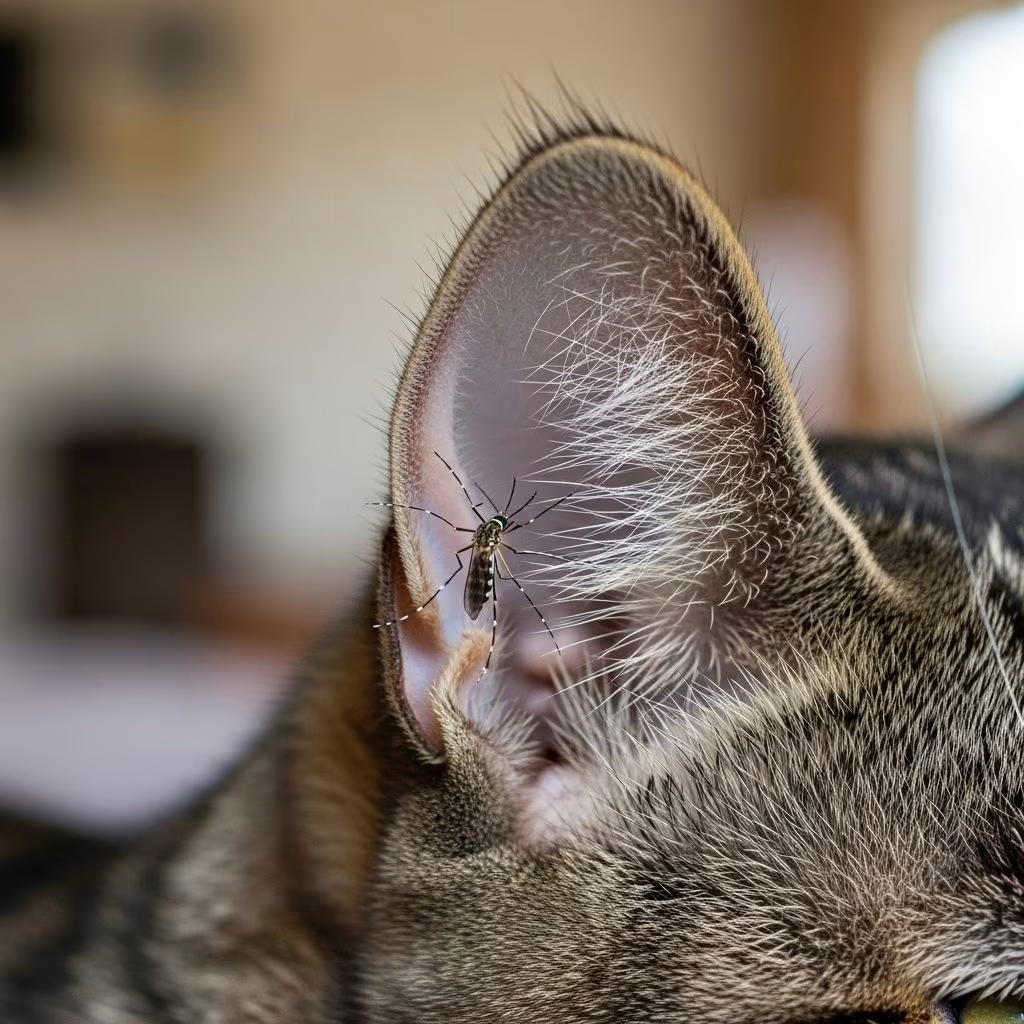
Mosquitoes are common pests that bite humans and animals alike, but can cats get bitten by mosquitoes? The answer is yes. Cats can and do get bitten by mosquitoes, which can lead to mild irritation or more serious allergic reactions known as mosquito bite hypersensitivity. These bites typically cause itching, swelling, and redness, particularly in areas with thinner fur like the nose, ears, and paws. While most reactions are benign, some cats develop severe hypersensitivity, resulting in skin lesions, ulcers, and discomfort. Understanding the risks, symptoms, treatments, and prevention strategies is crucial for cat owners, especially in mosquito-prone areas during warmer months.
What Are Mosquito Bites on Cats?
Mosquito bites on cats occur when female mosquitoes pierce the skin to feed on blood, injecting saliva that can trigger an immune response. Cats’ fur offers some protection, but exposed areas such as the face, ears, belly, and footpads are vulnerable. Bites often appear as small red bumps, causing cats to scratch or lick excessively. In hypersensitive cats, the reaction is exaggerated, leading to inflamed papules, plaques, erosions, or crusty ulcers, primarily on the nose bridge, ear tips, and paw pads. This condition, called mosquito bite hypersensitivity, is seasonal, peaking in summer when mosquitoes are active, and affects indoor/outdoor cats most commonly.
Symptoms vary from mild itching to severe dermatitis. Cats may vocalize in discomfort, rub affected areas, or develop hair loss and pigment changes over time if bites recur. Unlike dogs, cats rarely transmit mosquito-borne diseases like heartworm, but the immediate allergic response poses the primary concern.
Symptoms of Mosquito Bites on Cats
Recognizing mosquito bite symptoms early allows for timely intervention. Common signs include:
- Itching and scratching: Cats excessively lick, chew, or scratch bite sites, leading to hair loss and self-trauma.
- Swelling and redness: Raised bumps or hives appear, sometimes with warmth around the site.
- Skin lesions: In hypersensitivity cases, small nodules progress to plaques, erosions, ulcers, or crusts on the nose, ears, or feet.
- Hair loss and pigmentation changes: Chronic exposure causes alopecia and darkened skin around bites.
Severe allergic reactions, though rare, mimic anaphylaxis with facial swelling, difficulty breathing, vomiting, diarrhea, drooling, dizziness, or collapse. These demand immediate veterinary attention.
| Symptom | Mild Reaction | Severe/Hypersensitivity |
|---|---|---|
| Itching | Localized scratching | Intense, widespread rubbing |
| Skin Changes | Red bumps | Ulcers, crusts, plaques |
| Systemic Signs | None | Vomiting, breathing issues |
This table summarizes symptom severity, helping owners differentiate routine bites from serious issues.
Risks and Health Concerns
While mosquito bites rarely transmit diseases to cats, the hypersensitivity reaction is a significant risk. Affected cats experience intense immune overreactions to mosquito saliva, causing seasonal dermatitis. Untreated, lesions can become infected from scratching, prolonging discomfort. Indoor/outdoor cats face higher exposure during dawn and dusk, mosquito peak times. Allergic cats may suffer recurrent episodes without prevention, impacting quality of life.
In rare cases, bites exacerbate other allergies or lead to secondary bacterial infections. Monitoring is essential, as hypersensitive cats show no breed or age preference but are more common in warmer climates.
Treatment for Mosquito Bites on Cats
Treatment focuses on symptom relief, inflammation reduction, and preventing further bites. For mild cases:
- Clean the area: Gently wash with mild soap and water to remove debris.
- Cold compress: Apply an ice pack wrapped in a towel for 10 minutes to reduce swelling. Frozen peas work well.
- Baking soda paste: Mix with water and apply to soothe itching; follow with an oatmeal bath for multiple bites.
- Antihistamines: Consult a vet for diphenhydramine (Benadryl) dosing to curb reactions.
- Prevent scratching: Use an Elizabethan collar (cone) to protect the site.
For hypersensitivity or severe reactions:
- Veterinary care: Steroids (oral or injectable) control inflammation; epinephrine or IV fluids for anaphylaxis.
- Prescription meds: Hydrocortisone creams or antibiotics for infections, per vet advice.
Keep cats indoors during recovery to avoid re-exposure. Mild cases often resolve spontaneously if mosquitoes are avoided.
Prevention Tips for Mosquito Bites on Cats
Prevention is the best defense. Key strategies include:
- Limit outdoor time: Keep cats inside, especially at dawn and dusk.
- Screened environments: Use window screens and mosquito nets on porches.
- Eliminate breeding sites: Remove standing water from yards, pots, and gutters.
- Cat-safe repellents: Apply vet-approved products to exposed areas; avoid DEET or permethrin toxicity.
- Indoor fans: Air circulation deters mosquitoes.
For hypersensitive cats, consistent prevention prevents flare-ups. Consult vets for tailored plans.
When to See a Vet
Seek immediate care if your cat shows severe symptoms like breathing difficulty, excessive swelling (especially face/throat), hives, vomiting, diarrhea, drooling, agitation, dizziness, or seizures. These indicate anaphylaxis, potentially fatal without prompt treatment including antihistamines, steroids, oxygen, and fluids. Even mild hypersensitivity warrants a vet visit for steroids if lesions persist. Monitor post-treatment for 1-2 days; hospital stays may be needed.
Any spreading redness, pus, or fever suggests infection. Early intervention prevents complications.
Frequently Asked Questions (FAQs)
Can cats get bitten by mosquitoes?
Yes, cats can get bitten by mosquitoes, especially on thinly furred areas like the face and paws, leading to itching or allergic reactions.
What does a mosquito bite look like on a cat?
It appears as a small red, swollen bump; hypersensitive cats develop nodules, plaques, erosions, or crusts.
How do you treat mosquito bites on cats?
Use cold compresses, baking soda paste, antihistamines, and cones; severe cases need vet-prescribed steroids.
Can mosquito bites make cats sick?
Most cause only local irritation, but hypersensitivity leads to dermatitis; rare anaphylaxis can be life-threatening.
How to prevent mosquitoes from biting cats?
Keep indoors at peak times, use screens, eliminate standing water, and apply vet-safe repellents.
References
- Identifying and Treating Bug Bites in Cats — Just Cats Clinic. 2023-06-15. https://justcatsclinic.com/identifying-and-treating-bug-bites-in-cats/
- The Ins and Outs of Identifying & Treating Cat Bug Bites and Insect Stings — Lombard Veterinary Center. 2024-05-20. https://www.lombardvet.com/services/cats/blog/ins-and-outs-identifying-treating-cat-bug-bites-and-insect-stings
- Mosquito Bite Hypersensitivity — Animal Allergy & Dermatology. 2023-08-10. https://animalallergycolorado.com/animal-disease-index/mosquito-bite-hypersensitivity
- Cat Mosquito Bite Hypersensitivity — Nicklin Way Veterinary Surgery. 2024-02-12. https://www.nicklinwayvet.com.au/cat-mosquito-bite-hypersensitivity/
- First Aid for Insect Stings in Cats — VCA Animal Hospitals. 2025-01-05. https://vcahospitals.com/know-your-pet/first-aid-for-insect-stings-in-cats
- Mosquito Bite Hypersensitivity in Cats — WagWalking. 2023-11-18. https://wagwalking.com/cat/condition/mosquito-bite-hypersensitivity
- Allergy in Dogs and Cats – Ear Disorders — Merck Veterinary Manual. 2024-09-30. https://www.merckvetmanual.com/ear-disorders/diseases-of-the-pinna/allergy-in-dogs-and-cats



