

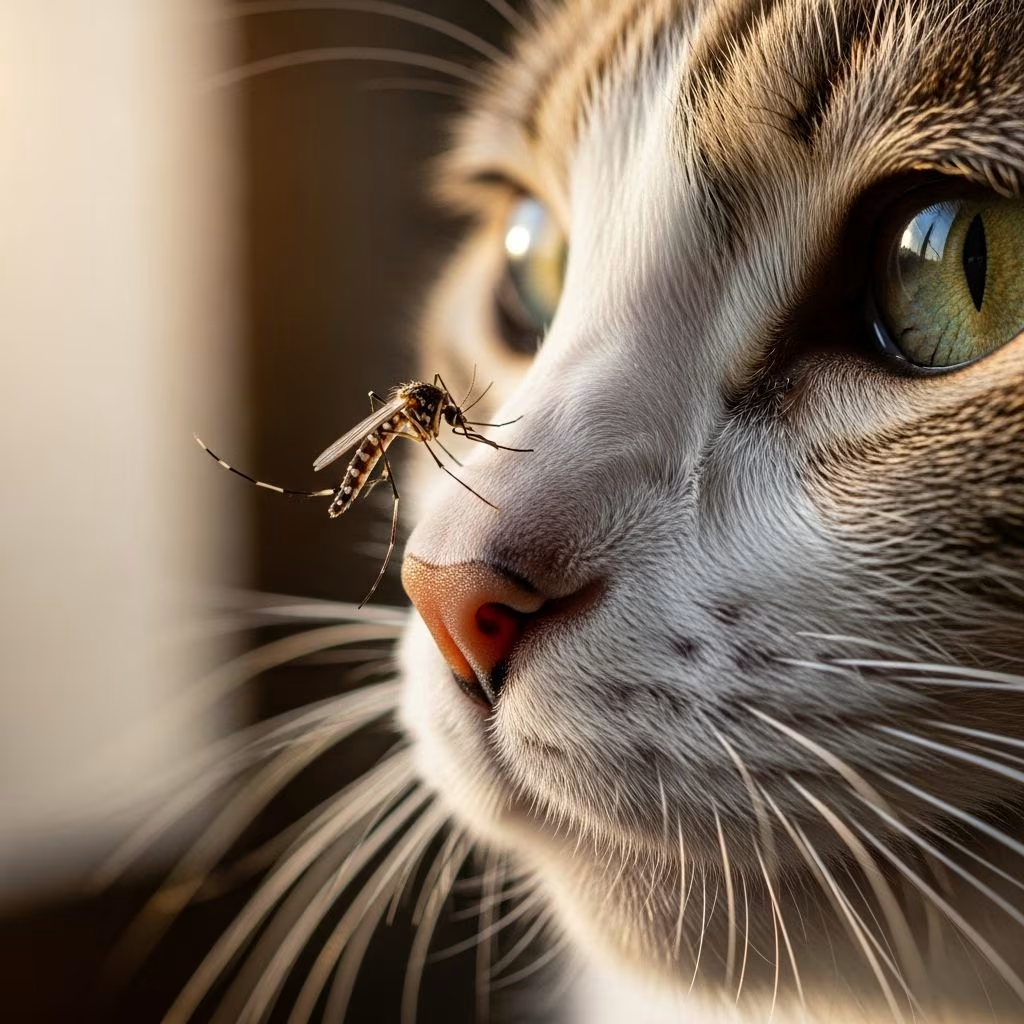
Mosquitoes pose a real threat to cats, as these insects can indeed bite felines, leading to itching, swelling, and in some cases, severe allergic reactions known as mosquito bite hypersensitivity. While most bites cause mild discomfort, certain cats develop intense immune responses to mosquito saliva, resulting in skin lesions on the face, ears, and paws. Understanding the risks, symptoms, and treatments is crucial for cat owners, especially in mosquito-prone areas during warmer months.
Quick Answer: Can Cats Get Bitten by Mosquitoes?
Yes, cats can and do get bitten by mosquitoes. Mosquitoes are attracted to cats for blood meals, piercing the skin with their proboscis to inject saliva that prevents clotting. This saliva often triggers local irritation or allergic responses in sensitive cats. Indoor/outdoor cats are at higher risk, with bites commonly occurring on thinly haired areas like the nose, ears, and footpads.
What Do Mosquito Bites Look Like on Cats?
Mosquito bites on cats typically appear as small, raised red bumps or nodules, often accompanied by itching, swelling, and redness. Affected cats may excessively lick, chew, or scratch the site, leading to hair loss, crusting, or ulceration. In mild cases, the reaction is localized, but severe hypersensitivity can cause plaques, erosions, or bullseye-like lesions.
- Mild bites: Itchy red spots, minor swelling.
- Severe bites: Raised papules progressing to crusted ulcers, especially on the nose bridge, ear tips, or paw pads.
- Chronic effects: Hair loss, pigment changes in repeatedly bitten areas.
Unlike dogs, cats rarely show widespread hives from mosquito bites, but vigilant monitoring is key as reactions can escalate quickly.
Can Mosquitoes Make Cats Sick?
While mosquitoes rarely transmit diseases to cats like they do to dogs (e.g., heartworm), bites can lead to secondary issues. The primary concern is mosquito bite hypersensitivity (MBH), an exaggerated allergic reaction to mosquito saliva proteins. This seasonal condition peaks in summer, causing intense inflammation without infection.
Other risks include:
- Bacterial infections: From excessive scratching opening wounds.
- Anaphylaxis: Rare but life-threatening swelling, breathing difficulties, or collapse in highly allergic cats.
- Secondary parasites: Attracting flies or mites to irritated skin.
Heartworm disease from mosquitoes is possible but less common in cats than dogs, manifesting as respiratory issues rather than direct bite symptoms.
Mosquito Bite Hypersensitivity in Cats
Mosquito bite hypersensitivity (MBH) is a moderately common allergic dermatitis in cats, triggered by an immune overreaction to mosquito saliva. It affects indoor/outdoor cats most, with no breed or age preference, though symptoms appear seasonally during mosquito-active periods like dawn, dusk, and humid evenings.
Symptoms of Mosquito Bite Hypersensitivity
Lesions develop on exposed, hairless areas:
- Small papules on nose, ears, footpads.
- Progression to erosive plaques or crusted ulcers.
- Scaling, hair loss, pigment dilution.
- Itching leading to self-trauma.
Symptoms worsen with repeated exposure, often resolving in winter but recurring annually.
Causes and Risk Factors
Genetic predisposition plays a role, with the cat’s immune system mounting a type I hypersensitivity response. Outdoor access, warm climates, and stagnant water nearby increase mosquito populations and bite frequency.
Treating Mosquito Bites on Cats
Treatment focuses on symptom relief, preventing further bites, and managing severe reactions. Always consult a vet before home remedies, as cats are sensitive to many human products.
Home Treatment for Mild Bites
- Remove the irritant: Gently clean the area; no stinger like bees.
- Cold compress: Apply ice pack wrapped in towel for 10 minutes to reduce swelling.
- Baking soda paste: Mix with water and apply to soothe itching.
- Antihistamine: Vet-approved dose of diphenhydramine (Benadryl) for itching.
- Prevent scratching: Use an Elizabethan collar (cone).
Veterinary Treatment
For MBH or severe cases:
- Steroids: Oral or injectable corticosteroids to control inflammation.
- Topical creams: Vet-prescribed hydrocortisone or antibiotics for secondary infections.
- Oatmeal bath: For multiple lesions to calm skin.
- Emergency care: For anaphylaxis—epinephrine, IV fluids, oxygen.
Mild MBH often self-resolves if mosquitoes are avoided; keep cats indoors during recovery.
Preventing Mosquito Bites on Cats
Prevention is the best strategy, emphasizing environmental control and behavioral changes.
- Keep cats indoors: Especially at dawn/dusk when mosquitoes peak.
- Eliminate breeding sites: Remove standing water from yards, gutters, pots.
- Screens and fans: Install on windows; fans deter mosquitoes.
- Cat-safe repellents: Vet-recommended products only—avoid DEET or essential oils toxic to cats.
- Yard treatments: Professional mosquito control services safe for pets.
Regular vet check-ups can identify at-risk cats for proactive management.
When to See a Vet for a Mosquito Bite on a Cat
Seek immediate veterinary care if you observe:
| Symptom | Severity Indicator |
|---|---|
| Swelling | Excessive, especially face/throat |
| Breathing issues | Wheezing, panting, distress |
| Gastrointestinal | Vomiting, diarrhea |
| Behavioral | Lethargy, agitation, disorientation |
| Skin changes | Hives, spreading redness, necrosis |
Even mild reactions persisting beyond 24-48 hours warrant a check to rule out infection or MBH.
Other Bug Bites and Stings in Cats
Mosquitoes aren’t the only culprits; compare symptoms and treatments:
| Insect | Symptoms | Treatment |
|---|---|---|
| Tick | Swollen, crusted sore | Tweezers removal, antiseptic, monitor infection |
| Bee/Wasp | Pain, hives, anaphylaxis risk | Remove stinger (bees), cold pack, Benadryl |
| Spider (e.g., Brown Recluse) | Blister, necrosis | Immediate vet; clean, cold compress |
| Flea/Fly | Itching, maggots possible | Anti-itch, vet for infestations |
Frequently Asked Questions (FAQs)
Can indoor cats get mosquito bites?
Yes, mosquitoes can enter through screens or doors. Keep windows screened and use fans.
Is mosquito bite hypersensitivity curable?
Not curable but manageable with prevention and seasonal treatments.
Can I use human bug spray on my cat?
No—many are toxic. Consult vet for feline-safe options.
How long do mosquito bites last on cats?
Mild: 1-3 days; hypersensitivity: weeks without treatment.
Do mosquitoes carry diseases to cats?
Rarely heartworm, but primarily cause allergic reactions.
References
- Identifying and Treating Bug Bites in Cats — Just Cats Clinic. 2023. https://justcatsclinic.com/identifying-and-treating-bug-bites-in-cats/
- The Ins and Outs of Identifying & Treating Cat Bug Bites and Insect Stings — Standiford Veterinary. 2023. https://standifordveterinary.com/services/cats/blog/ins-and-outs-identifying-treating-cat-bug-bites-and-insect-stings.html
- Mosquito Bite Hypersensitivity — Animal Allergy & Dermatology. 2023. https://animalallergycolorado.com/animal-disease-index/mosquito-bite-hypersensitivity
- Cat Mosquito Bite Hypersensitivity — Nicklin Way Veterinary Surgery. 2023. https://www.nicklinwayvet.com.au/cat-mosquito-bite-hypersensitivity/
- First Aid for Insect Stings in Cats — VCA Animal Hospitals. 2023. https://vcahospitals.com/know-your-pet/first-aid-for-insect-stings-in-cats
- Mosquito Bite Hypersensitivity in Cats — WagWalking. 2023. https://wagwalking.com/cat/condition/mosquito-bite-hypersensitivity
- Allergy in Dogs and Cats – Ear Disorders — Merck Veterinary Manual. 2024. https://www.merckvetmanual.com/ear-disorders/diseases-of-the-pinna/allergy-in-dogs-and-cats



