

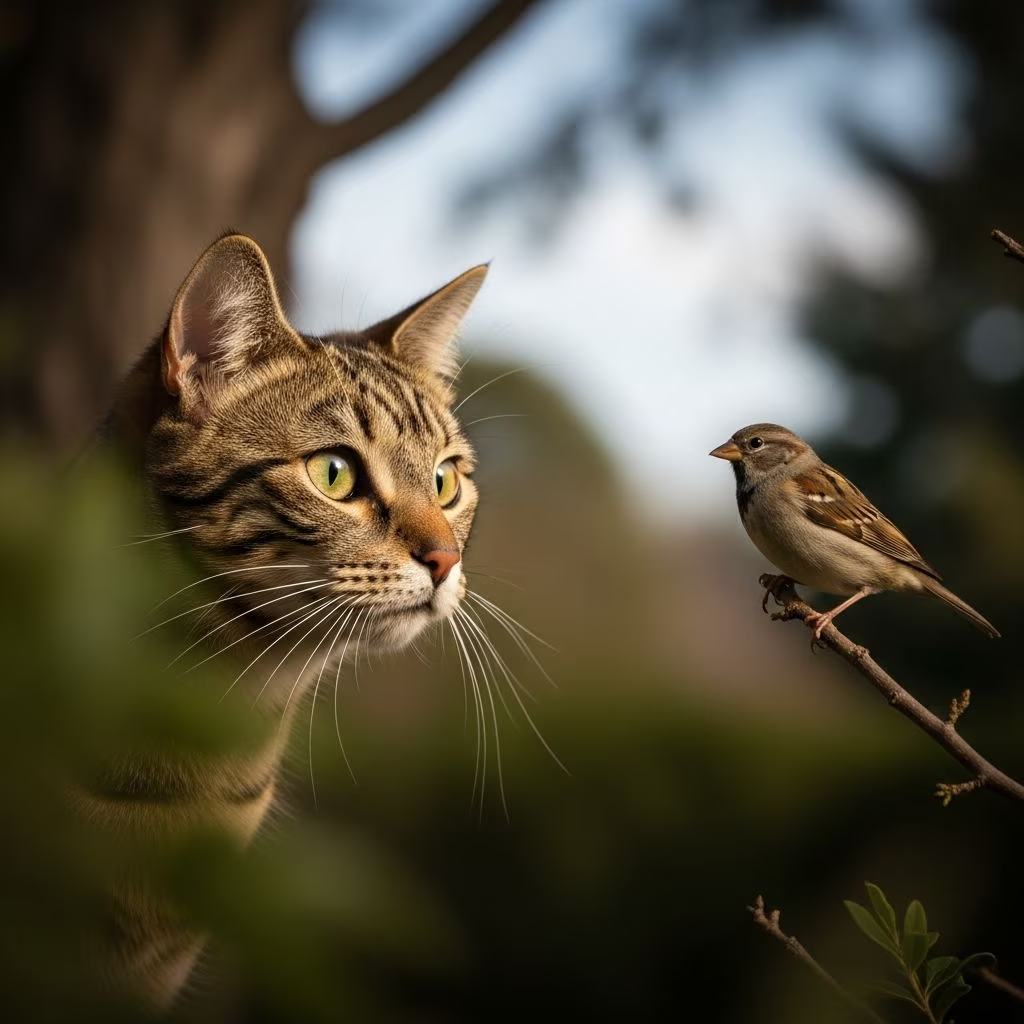
Cats can indeed contract **bird flu**, specifically the highly pathogenic avian influenza A (H5N1) virus, which has emerged as a significant threat to felines amid ongoing outbreaks in wildlife, poultry, and dairy cattle. Since the U.S. outbreak in dairy cattle starting March 2024, dozens of cats—including indoor, barn, feral, and zoo cats—have been infected, with many succumbing rapidly to severe illness. This article, informed by veterinary experts and recent research, breaks down how cats get bird flu, its devastating symptoms, prevention measures, what to do if infection is suspected, and emerging evidence that early treatment can save lives.
What Is Bird Flu (H5N1)?
**Bird flu**, or avian influenza A (H5N1), is a highly contagious viral infection primarily affecting birds but capable of spilling over into mammals, including cats. Cats are particularly susceptible, with infection often leading to severe, life-threatening disease and high mortality rates. The current strain, circulating since 2024 in U.S. dairy cattle, has infected various felines from house cats to big cats like tigers and mountain lions.
Historically, feline cases were linked to eating infected wild birds or poultry, but recent outbreaks highlight new risks like contaminated raw pet food and unpasteurized dairy from infected cows. The virus spreads via direct contact with infected animals, their secretions, or contaminated environments, posing risks even to indoor cats via human-mediated fomites.
How Do Cats Get Bird Flu?
Cats contract H5N1 through multiple routes, making vigilance essential for all cat owners:
- Raw or undercooked meat and dairy: The primary modern source, including unpasteurized milk, colostrum, cream, or raw pet food from infected cattle or poultry. Recalls of brands like Savage and Monarch raw cat food underscore this danger.
- Direct exposure to infected animals: Hunting or contacting sick wild birds, poultry, livestock, or other infected cats.
- Environmental contamination: Fomites like farm workers’ clothing, shoes, or hands transferring the virus home.
- Potential human-to-cat transmission: Suggested by cases in dairy workers’ households, though not fully confirmed.
Barn and outdoor cats face higher risks from wildlife, but indoor cats are vulnerable via raw diets or contaminated human items. The virus spreads rapidly among co-housed cats, as seen in a California household where four cats were infected.
Signs of Bird Flu in Cats
H5N1 progresses swiftly in cats, starting subtly but escalating to fatal complications within days. Early recognition is critical.
Initial symptoms (1-2 days):
- Loss of appetite and lethargy
- Fever
- Mild respiratory issues like sneezing
Advanced signs (neurological and respiratory dominance):
- Neurologic: Ataxia (wobbly gait), circling, tremors, seizures, blindness
- Respiratory: Heavy nasal/eye discharge, rapid/difficult breathing, coughing
- Severe depression, inflamed eyes, and sudden death
In a University of Maryland study, two cats died quickly without antivirals, while two survived prompt treatment—highlighting progression speed. Some cats show only mild signs, but most cases are grave.
| Stage | Symptoms | Timeline |
|---|---|---|
| Early | Lethargy, fever, anorexia | Day 1 |
| Progressive | Discharge, breathing issues | Days 1-3 |
| Severe | Tremors, seizures, collapse | Days 2-5 |
Differentiate from rabies or other illnesses via vet testing.
Is Bird Flu in Cats Fatal?
Yes, H5N1 is often fatal in cats, with high mortality pre-treatment. However, a 2024 University of Maryland-led study in One Health offers hope: two cats survived after early oseltamivir (Tamiflu) and supportive care, regaining full health and apparent immunity for months. Of four household cats, the first two died untreated; survivors responded to prompt intervention.
Veterinarian Dr. Jake Gomez noted: “Early intervention with oseltamivir gave us the best chance for success”. Dr. Kristen Coleman emphasized survival is possible, urging against automatic euthanasia. Still, without treatment, most cats perish.
Treatment for Bird Flu in Cats
No approved cat-specific vaccine exists, but supportive and antiviral care shows promise.
- Antivirals: Oseltamivir empirically; share the UMD study with vets.
- Supportive: Fluids, antibiotics for secondary infections, oxygen.
- Isolation: Prevent spread to other cats/humans.
Success hinges on Day 1 intervention. Labs confirm via NAHLN PCR testing.
Can Cats Spread Bird Flu to Humans or Other Cats?
Cat-to-cat spread is likely but unclear; household clusters suggest yes. Cat-to-human risk is low but possible with prolonged exposure, especially unprotected vet care. Human-to-cat may occur via farm contacts. Limit exposure, especially for immunocompromised.
How to Prevent Bird Flu in Cats
Proactive steps drastically reduce risk:
- Feed only pasteurized dairy and fully cooked meat; avoid raw diets.
- Keep cats indoors, away from wildlife/livestock.
- Hygiene: Wash hands, change clothes/shoes post-farm/wildlife contact.
- Disinfect shoes after bird areas.
- Monitor for recalls on raw pet food.
For big cats/zoos: Net enclosures, remove bird attractants.
What Should You Do If You Suspect Bird Flu?
Owners: Call vet first, describe symptoms; isolate cat; monitor household. Report human illness to health officials.
Vets: Suspect H5N1 from history/signs; report to state officials; test via NAHLN. Consider rabies differential.
Frequently Asked Questions (FAQs)
What are the first signs of bird flu in cats?
Lethargy, loss of appetite, fever, progressing to tremors, discharge, breathing issues.
Can indoor cats get bird flu?
Yes, via raw food or contaminated human items.
Is there a bird flu vaccine for cats?
No, prevention relies on avoidance.
Can my cat survive bird flu?
Yes, with early oseltamivir and care, per recent studies.
Should I feed raw food during outbreaks?
No—it’s a major risk factor.
References
- Bird flu outbreak in house cats: high-risk but survival possible — University of Maryland School of Public Health. 2024. https://sph.umd.edu/news/bird-flu-outbreak-house-cats-high-risk-survival-possible
- Avian influenza A (H5N1) in cats — American Veterinary Medical Association (AVMA). 2024 (updated post-March 2024 outbreak). https://www.avma.org/resources-tools/animal-health-and-welfare/animal-health/avian-influenza/avian-influenza-h5n1-cats
- Bird Flu Virus in Cats: What You Need to Know — Cats.com. 2024. https://cats.com/bird-flu-virus-in-cats



