

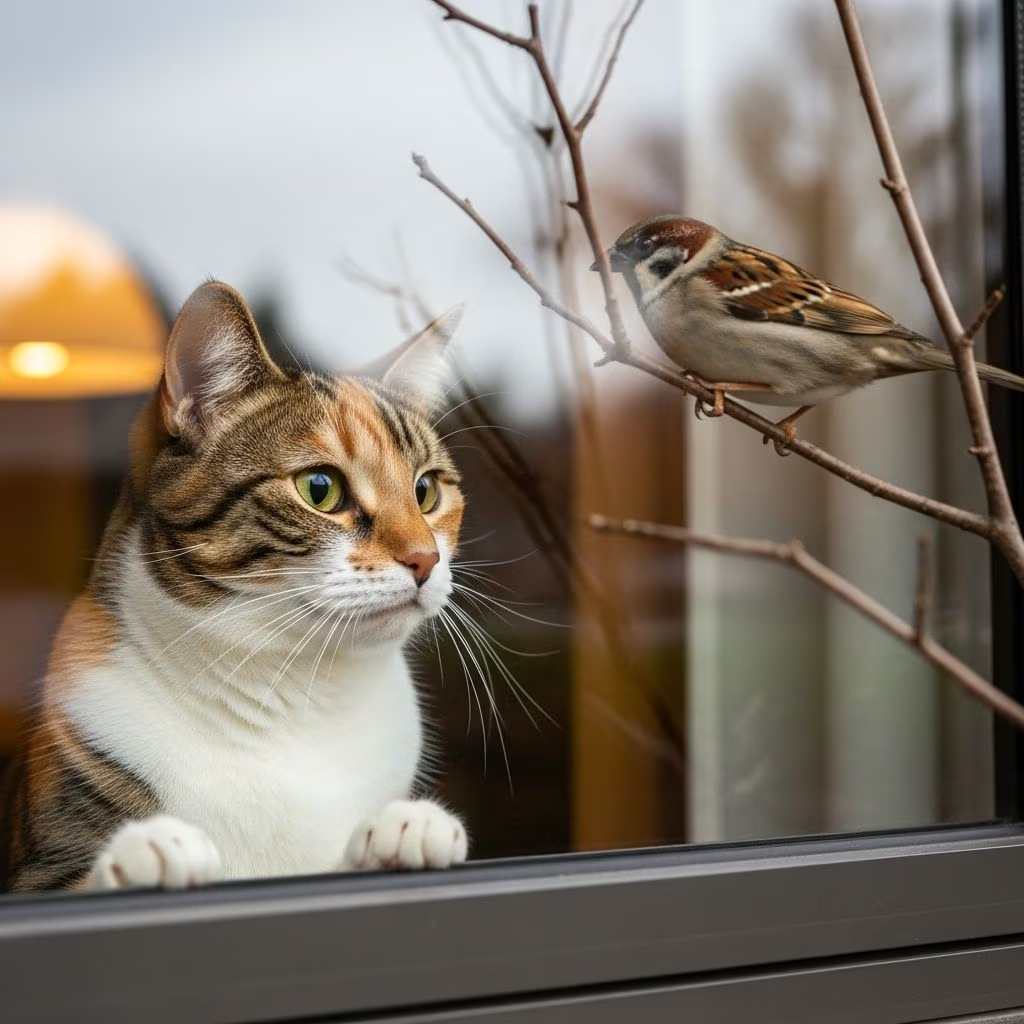
Bird flu, or highly pathogenic avian influenza A (H5N1), has surged in mammals, raising alarms for cat owners. While primarily devastating poultry—with over 100 million birds affected—it’s now infecting cats sporadically through hunting wild birds, raw pet food, or unpasteurized dairy. Cats face higher risks than humans, with fatalities reported, yet prevention is straightforward. This article breaks down the risks, symptoms, protection strategies, and answers key questions to safeguard your cat.
Cats Can Get Bird Flu?
Yes, cats can contract bird flu, known scientifically as highly pathogenic avian influenza A (H5N1). This “highly pathogenic” label indicates its potential for severe, often fatal disease in susceptible species. The virus targets domestic poultry hardest, impacting over 100 million birds, compared to 169 dairy herds and rare mammalian cases. In cats, infections remain uncommon but outnumber human cases. More cats than people have been documented with H5N1, especially since the 2024 U.S. dairy cattle outbreak.
Risk factors for cats include eating infected wild birds, residing on poultry or dairy farms, or consuming contaminated raw products. A drastic rise in feline cases began in 2023, coinciding with H5N1’s spread among mammals, including 21 U.S. domestic cats linked to dairy exposure by mid-2024. Farm cats drinking unpasteurized milk or preying on infected birds serve as early outbreak sentinels. Globally, cats have succumbed since 2004, with cat-to-cat transmission reported in shelters and zoos. The current strain’s 67% fatality rate in cats underscores vulnerability. Indoor cats aren’t immune—raw diets pose hidden dangers.
Transmission occurs via direct contact with infected animals, ingestion of raw poultry/meat/milk, or environmental exposure like bird droppings. Unlike dogs, which show no symptoms despite infection, cats suffer acutely. Big cats in zoos (tigers, leopards) and wild felines (mountain lions, bobcats) also perish, highlighting broad susceptibility. Owners must monitor local outbreaks, as these amplify risks.
What Are the Signs of Bird Flu in Cats?
Bird flu manifests in cats through respiratory, gastrointestinal, neurological, or ocular symptoms, varying from mild to fatal. Severity heightens in kittens, seniors, or immunocompromised cats. Watch for these key indicators if exposure is suspected:
- Fever and lethargy: Sudden tiredness, reluctance to move, or hiding more than usual.
- Respiratory distress: Coughing, sneezing, nasal/ocular discharge, labored breathing, or pneumonia-like sounds.
- Eye issues: Reddened, inflamed eyes, excessive tearing, or sudden blindness—a hallmark of recent strains.
- Gastrointestinal upset: Vomiting, diarrhea, loss of appetite, or dehydration.
- Neurological signs: Tremors, seizures, incoordination (ataxia), circling, or behavioral changes.
Progression can be rapid; some cats die within days without intervention. Early vet detection via PCR testing is crucial, though no specific antiviral exists—supportive care (fluids, oxygen) offers the best chance. A cat in Oregon died post-raw turkey consumption, exemplifying swift lethality. Monitor closely during outbreaks, as symptoms mimic other illnesses like FIP or toxoplasmosis.
How to Protect Your Cat From Bird Flu
No vaccine exists for cats, making prevention paramount. H5N1’s virulence demands proactive measures. Here’s a comprehensive guide:
Keep Cats Indoors
The surest defense: indoor living eliminates wild bird contact. Even “catios” risk exposure via droppings or aerosols. Supervised leash walks with harnesses work for adventurers—avoid dawn/dusk hunts.
Deter Hunting
Bells, bird-safe collars, or bibs reduce kill success. Train via positive reinforcement to curb predatory instincts.
Avoid Raw Diets and Dairy
Skip raw poultry (chicken, turkey, duck), unpasteurized milk, or undercooked meat—linked to deaths and recalls (e.g., Monarch, Savage brands). AVMA warns these transmit H5N1; opt for commercially cooked kibble/cans. A California raw milk recall sickened cats.
Manage Pet Birds and Farms
Indoor pet birds only; no cat-bird mingling. Post-poultry handling, wash hands, change clothes. Secure farm milk away from cats.
General Hygiene
Clean litter daily (virus sheds in feces/urine/saliva). Disinfect with EPA-approved virucides. Limit wild mouse exposure, as they’re now vectors.
During outbreaks, consult vets for monitoring. These steps slash risks dramatically.
Recent Outbreaks and Statistics
Since 2020, H5N1 exploded, hitting sea lions, cattle, and cats. U.S. dairy outbreak (March 2024) infected dozens of felines, including indoors via raw food. Globally, feline cases spiked post-2023, with shelter/zoo transmissions. Fatality nears 70% untreated. 11 human cases tie to farms, not cats directly, but vigilance urged. Track USDA/WHO updates.
| Risk Factor | Examples | Prevention |
|---|---|---|
| Hunting Birds | Wild/prey ingestion | Indoor living, bells |
| Raw Food | Poultry diets, milk | Cooked food only |
| Farm Exposure | Unpasteurized dairy | Secure storage |
| Cat-to-Cat | Shelters/zoos | Quarantine new cats |
Frequently Asked Questions (FAQs)
Can Cats Get Sick From Being Around Birds?
Yes, proximity to birds or droppings risks H5N1 infection. Eating raw bird meat or preying amplifies danger; cows also transmit via milk. Droppings carry Salmonella too.
Is a Cat With Bird Flu a Risk to Humans?
Minimal but possible. Sporadic human cases (11 confirmed) link to farms, yet cats could theoretically spread via saliva/feces close contact. Zookeepers/shelter staff infected previously. Practice hygiene.
Can Cats Get Bird Flu From Raw Pet Food?
Absolutely—recalls confirm H5N1 in raw turkey/chicken. Fatal Oregon case highlights peril; switch to cooked.
Is Bird Flu Fatal in Cats?
Often, with 67% fatality untreated. Symptoms escalate fast; prompt vet care vital.
Should I Vaccinate My Cat Against Bird Flu?
No feline vaccine available. Prevention trumps all.
References
- Can Cats Get Bird Flu? Our Vet Explains Signs & Prevention Tips — Catster (Ask the Vet). 2024. https://www.catster.com/ask-the-vet/can-cats-get-bird-flu/
- H5N1 Avian Influenza (Bird Flu) and Risks in Cats — Affectionately Cats. 2024-06. https://www.affectionatelycats.com/blog/h5n1-avian-influenza-bird-flu-and-risks-in-cats
- Researcher Warns Pet Cats Risk Getting Bird Flu and Possibly Infecting People — University of Maryland School of Public Health. 2024. https://sph.umd.edu/news/researcher-warns-pet-cats-risk-getting-bird-flu-and-possibly-infecting-people
- What Does the Bird Flu Pet Food Recall Mean For You & Your Cat? — Catster. 2024. https://www.catster.com/weekly-mews/bird-flu-pet-food-recall-and-your-cat/
- Avian influenza A (H5N1) in cats — American Veterinary Medical Association (AVMA). 2024. https://www.avma.org/resources-tools/animal-health-and-welfare/animal-health/avian-influenza/avian-influenza-h5n1-cats



