

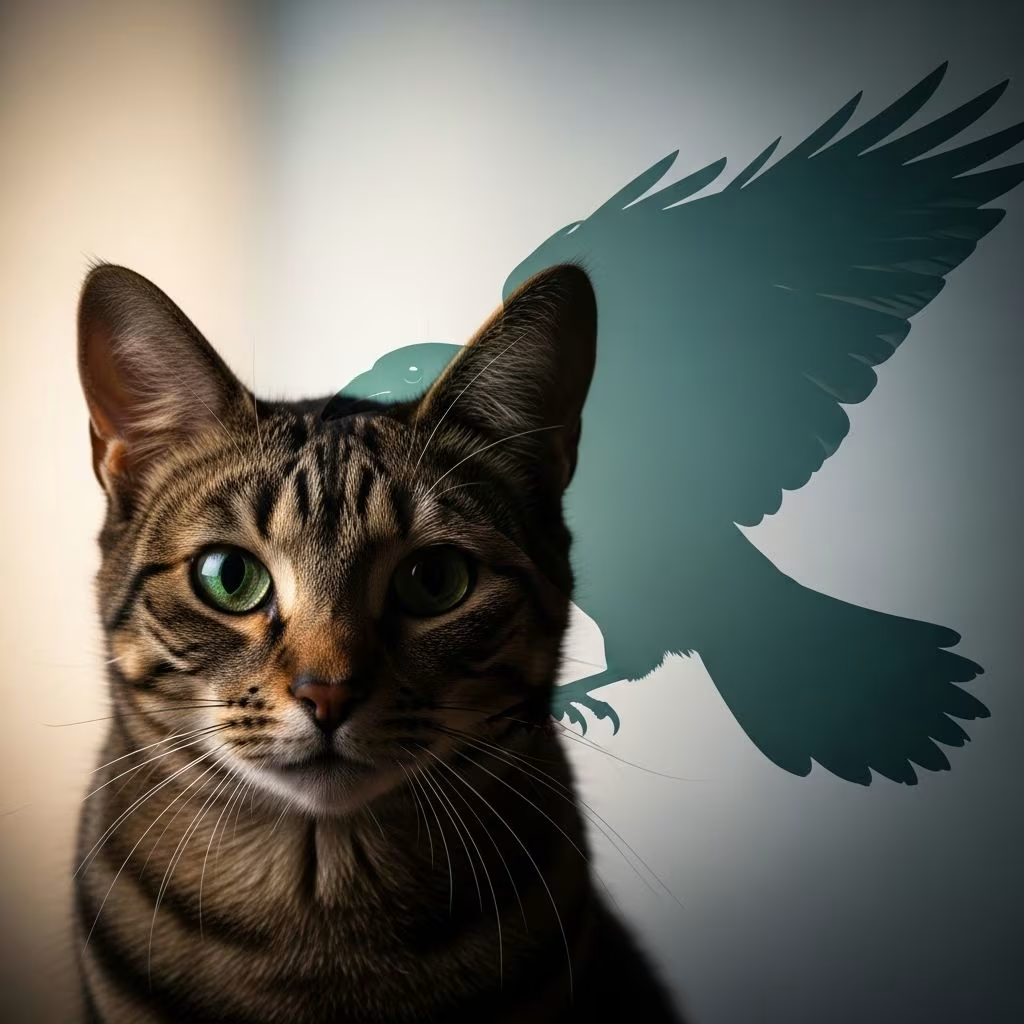
Cats are highly susceptible to highly pathogenic avian influenza (HPAI) H5N1, commonly known as bird flu, which can cause severe illness and death in felines. Domestic and wild cats alike face significant risks from this virus, particularly through contact with infected birds, raw animal products, or contaminated environments. Recent outbreaks have highlighted the vulnerability of cats, with mortality rates reaching up to 70% in infected cases.
This article explores whether cats can contract bird flu, how transmission occurs, symptoms to watch for, prevention strategies, and veterinary guidance. Understanding these elements is crucial for cat owners, especially in areas with ongoing H5N1 circulation in wildlife and livestock.
What Is Bird Flu (H5N1)?
Bird flu refers to avian influenza viruses, with the H5N1 strain being highly pathogenic and capable of jumping species barriers. Originally primarily affecting birds, recent clades of H5N1 have infected mammals, including cats, cows, and seals. In cats, the virus often leads to multisystemic disease affecting respiratory, ocular, and neurological systems.
The current U.S. outbreak, starting in 2024, has seen dozens of domestic cats diagnosed, many fatally. Cats’ hunting instincts and diets make them particularly prone, as they may consume infected prey or raw dairy from affected cows. Official sources like the CDC and AVMA confirm cats’ sensitivity, urging precautions to limit exposure.
Can Cats Get Bird Flu?
Yes, cats can and do get bird flu. Both domestic pets and wild felines, such as tigers and mountain lions, are susceptible to H5N1. Unlike dogs, which appear less affected, cats face high fatality rates, with infections progressing rapidly.
- Domestic cats: Over 20 U.S. cases reported since March 2024, often linked to raw pet food or farm exposure.
- Wild cats: Historical outbreaks in zoos showed near-100% mortality in big cats fed infected poultry.
Cornell University’s Feline Health Center notes that up to 70% of infected cats succumb, emphasizing the severity.
How Do Cats Catch Bird Flu?
Cats contract H5N1 primarily through direct or indirect contact with the virus. Key transmission routes include:
- Hunting and eating infected birds: Cats preying on wild birds, especially waterfowl, ingest the virus via tissues or feces.
- Consuming raw or undercooked animal products: Raw milk from infected dairy cows, raw eggs, or freeze-dried meats are common sources. Specific recalls include raw cat foods contaminated with H5N1.
- Contact with infected mammals: Exposure to sick cows, rodents (like house mice), or other pets.
- Environmental contamination: Virus on shoes, clothing, or near windows from infected birds; fomites play a role.
- Potential cat-to-cat or human-to-cat: Rare but possible via shared spaces or bodily fluids, though not definitively proven in current outbreaks.
Indoor cats are not immune; they can be exposed via owners tracking in virus or contaminated food.
Symptoms of Bird Flu in Cats
Symptoms in cats often start mildly but escalate quickly, within 24-48 hours, to life-threatening conditions. Early detection is vital.
| Stage | Symptoms |
|---|---|
| Early | Fever, lethargy, loss of appetite, reddened eyes. |
| Progressive Respiratory | Nasal/ocular discharge, sneezing, coughing, difficulty breathing. |
| Severe/Neurological | Tremors, seizures, incoordination, blindness, sudden death. |
Neurological signs are particularly ominous, indicating systemic spread. Any combination post-exposure warrants immediate vet care.
Is Bird Flu in Cats Fatal?
H5N1 is often fatal in cats, with mortality rates of 67-70% reported. Survivors may have lasting neurological damage. No specific antiviral treatments exist for cats; supportive care like fluids and oxygen is used, but prognosis is poor once severe symptoms appear. Prompt isolation and veterinary intervention improve chances slightly.
Can Cats Spread Bird Flu to Other Cats or Humans?
Cat-to-Cat Transmission
Possible but not definitively confirmed in current outbreaks. Infected cats may shed virus in saliva, feces, or respiratory secretions. Isolate sick cats immediately to prevent household spread via fomites.
Cat-to-Human Transmission
Extremely low risk, per CDC, but possible with prolonged unprotected contact. Virus transmission occurs via inhalation of droplets or mucous membrane contact with contaminated fluids. Cat owners, vets, and shelter workers should use PPE if handling suspects.
Human-to-Cat Transmission
Not established but suspected in cases of indoor cats owned by dairy farm workers. Caution advised.
What Should I Do If I Suspect Bird Flu in My Cat?
Contact your veterinarian immediately—do not wait. Provide details on potential exposures: raw foods, wildlife contact, or farm visits. Isolate the cat from other pets and people. Vets may test via nasal swabs and recommend supportive care.
- Monitor closely for 24-48 hours post-exposure.
- Avoid self-treatment; this is a medical emergency.
How Can I Protect My Cat from Bird Flu?
Prevention focuses on minimizing exposure:
- Keep cats indoors, away from wild birds and rodents.
- Avoid raw diets: No unpasteurized milk, raw eggs, or undercooked meats. Use commercially prepared, cooked foods.
- Clean supplies: Disinfect bowls, litter boxes, and bedding regularly.
- Limit farm/poultry contact: No unsupervised outdoor time near livestock.
- Hygiene: Wash hands, change clothes after handling potentially contaminated items.
During outbreaks, heed recalls on raw pet foods.
Bird Flu in Cats vs. Dogs
| Aspect | Cats | Dogs |
|---|---|---|
| Susceptibility | High; often fatal | Lower |
| Symptoms | Severe neurological/respiratory | Milder, if any |
| Prevention | Same: Avoid raw products, wildlife | Same |
Dogs require similar precautions but face less risk.
Frequently Asked Questions (FAQs)
Can indoor cats get bird flu?
Yes, though risk is lower. Exposure via contaminated food, shoes, or windows is possible.
How quickly do symptoms appear in cats?
Early signs within days; progression in 24-48 hours.
Is there a vaccine for bird flu in cats?
No approved vaccine currently; prevention is key.
Can cats recover from bird flu?
Some may, but mortality is high (up to 70%). Early vet care helps.
Should I stop feeding raw food to my cat?
Yes, during outbreaks—raw products are a major risk.
References
- Bird Flu in Cats: December 2024 | VCA Animal Hospitals — VCA Animal Hospitals. 2024-12. https://vcahospitals.com/press-center/vca-news/bird-flu-and-cats-frequently-asked-questions
- H5N1 Avian Influenza and your cat — Cornell University College of Veterinary Medicine. 2024. https://www.vet.cornell.edu/departments-centers-and-institutes/cornell-feline-health-center/health-information/h5n1-avian-influenza-and-your-cat
- Emergency Signs of Bird Flu in Cats: A Critical Checklist — GSVS. 2024. https://gsvs.org/blog/emergency-bird-flu-signs-cats/
- Researcher Warns Pet Cats Risk Getting Bird Flu and Possibly Infecting People — University of Maryland School of Public Health. 2024. https://sph.umd.edu/news/researcher-warns-pet-cats-risk-getting-bird-flu-and-possibly-infecting-people
- Bird Flu (H5N1) in Cats: Symptoms, Risks, and How to Protect Your Pet — Oz Animal Hospital. 2024. https://ozanimalhospital.com/bird-flu-h5n1-in-cats-symptoms-risks-and-how-to-protect-your-pet/
- Avian influenza A (H5N1) in cats — American Veterinary Medical Association (AVMA). 2024. https://www.avma.org/resources-tools/animal-health-and-welfare/animal-health/avian-influenza/avian-influenza-h5n1-cats
- Bird Flu in Cats: What It Is and How To Protect Your Cat — PetMD. 2024. https://www.petmd.com/cat/conditions/respiratory/bird-flu-in-cats



