
Can Cats Faint? Understanding Syncope in Felines
Discover the hidden causes of fainting in cats, from heart conditions to situational triggers, and learn vital steps for diagnosis and care.
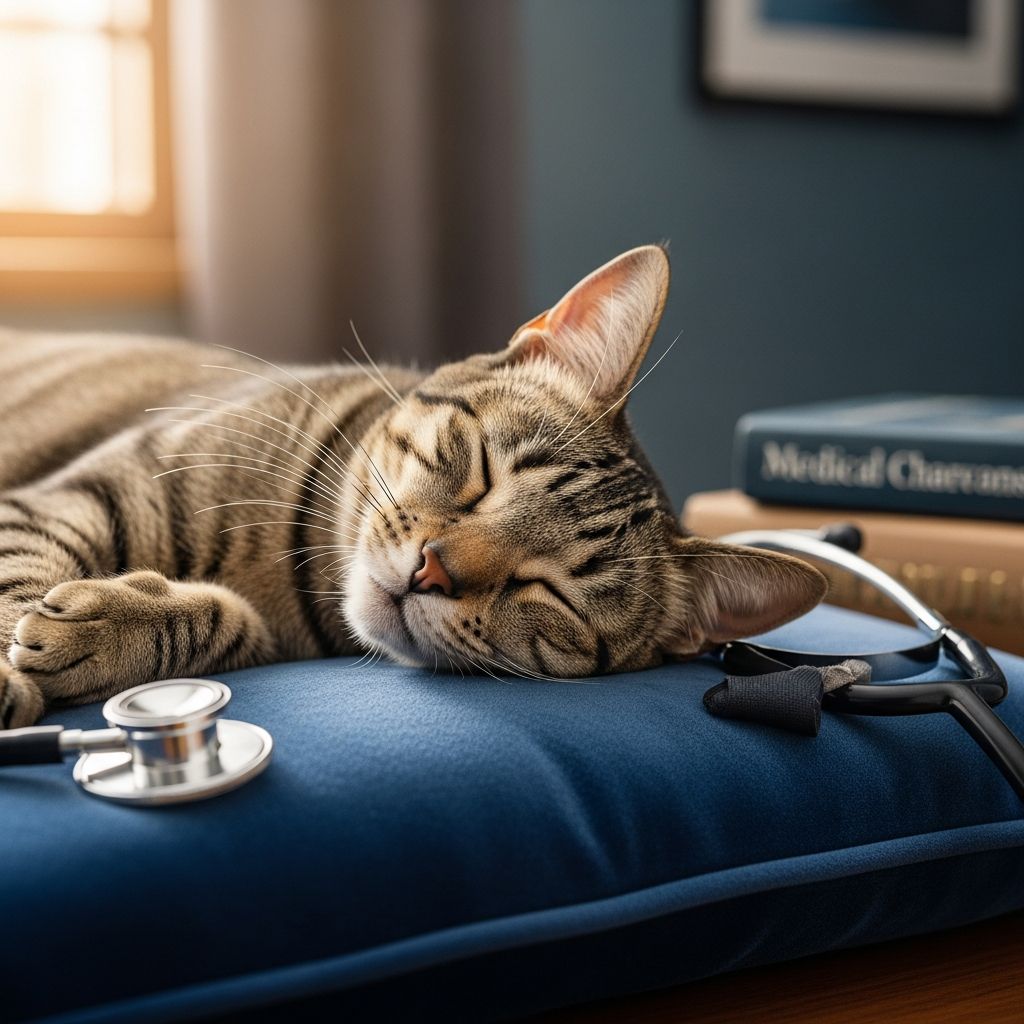
Feline syncope, commonly known as fainting, occurs when a cat experiences a sudden, temporary loss of consciousness due to insufficient blood flow or oxygen to the brain. This condition, while brief, signals potential underlying health issues that require prompt attention from veterinarians.
Recognizing the Signs of Fainting in Cats
Cat owners may witness their pet suddenly collapsing limply to the ground, with rapid recovery often following within seconds to minutes. Unlike seizures, which involve rigidity, paddling limbs, or convulsions, syncope features a flaccid body and quick return to normal behavior without disorientation.
- Sudden collapse without warning
- Limp posture during the episode
- Brief duration, typically under a minute
- Immediate alertness upon recovery
These signs can be alarming, but distinguishing them early helps in seeking appropriate care. Situational triggers like coughing or litter box use often precede episodes.
Primary Causes Behind Feline Syncope
Syncope in cats stems from disruptions in cerebral perfusion, where the brain momentarily lacks oxygen and nutrients. Cardiovascular issues dominate as the leading culprits, particularly in older felines.
Heart Conditions Leading to Fainting
Hypertrophic cardiomyopathy (HCM) is prevalent in cats, causing thickened heart walls that obstruct blood flow, especially during exertion. Arrhythmias, such as bradycardia or tachycardia, further impair circulation.
| Heart Condition | Description | Impact on Blood Flow |
|---|---|---|
| Hypertrophic Cardiomyopathy (HCM) | Thickened ventricular walls | Obstructs outflow, reduces stroke volume |
| Arrhythmias (e.g., VT, SVT) | Irregular heart rhythms | Causes inconsistent cardiac output |
| Pericardial Effusion | Fluid around heart | Compresses heart, limits filling |
These conditions reduce cardiac output, dropping blood pressure and starving the brain of oxygen.
Situational and Vasovagal Triggers
Not all fainting ties to structural heart disease. Vasovagal syncope arises from vagus nerve overstimulation, slowing heart rate and dilating vessels. Common triggers include coughing fits, defecation, urination, or collar pressure.
Metabolic imbalances, like hypoglycemia in diabetic cats or electrolyte disturbances (low glucose, sodium, or calcium), also provoke episodes by altering blood composition.
Other Contributing Factors
Respiratory distress from pneumonia or bronchitis limits oxygenation, while anemia reduces oxygen-carrying capacity. Neurological issues or toxin exposure (e.g., pesticides) can mimic or cause syncope.
- Dehydration or blood loss
- Severe coughing or straining
- Drug-induced vasodilation
How Syncope Differs from Seizures and Other Episodes
Misidentifying syncope as a seizure delays proper treatment. Key differentiators include post-event behavior and triggers.
| Feature | Syncope (Fainting) | Seizure |
|---|---|---|
| Body Posture | Limp, flaccid | Rigid, convulsing |
| Duration | Seconds to 1 minute | 1-3 minutes or longer |
| Recovery | Immediate, alert | Disoriented, confused |
| Triggers | Exertion, coughing, straining | Often none, or at rest |
Ataxia or weakness might suggest neuromuscular issues, but true syncope resolves swiftly.
Diagnostic Approaches for Cats That Faint
Veterinarians start with a thorough history and physical exam, focusing on cardiovascular and neurological systems. Blood pressure measurement and hydration assessment are crucial.
- Blood Tests: Check for anemia, glucose levels, electrolytes, and organ function.
- ECG and Holter Monitor: Detect arrhythmias over 24-48 hours.
- Echocardiography: Visualize heart structure for HCM or outflow obstructions.
- Chest X-rays: Rule out respiratory or pericardial issues.
- Advanced Imaging: CT/MRI for brain abnormalities if needed.
A sudden systolic pressure drop below 60mmHg or cerebral hypoperfusion for 6-8 seconds induces unconsciousness, akin to human thresholds.
Emergency Response and Immediate Actions
If your cat faints, ensure a safe environment: clear obstacles, monitor breathing, and note episode details (duration, triggers). Seek veterinary care urgently, especially with recurrent events.
- Place cat in recovery position if unconscious longer than 1 minute.
- Avoid force-feeding or stimulating during episode.
- Record video for vet review.
For hypoglycemia suspects, offer glucose if conscious, but professional diagnosis is essential.
Treatment Options Tailored to the Cause
Treatment targets the root issue. Heart medications like beta-blockers manage HCM and arrhythmias. Fluid therapy corrects dehydration, while anti-arrhythmic drugs stabilize rhythms.
In vasovagal cases, avoiding triggers (loose collars, stress) suffices. Severe metabolic issues may require hospitalization for stabilization.
Prognosis varies: early-detected cardiac syncope can be managed long-term, but advanced HCM carries risks.
Preventive Measures for Feline Heart Health
Regular vet check-ups, especially for breeds prone to HCM (Maine Coon, Ragdoll), aid early detection. Maintain ideal weight, provide taurine-rich diets, and minimize stress.
- Annual cardiac screenings for seniors
- Monitor for lethargy or cough
- Balanced nutrition to prevent metabolic issues
Frequently Asked Questions (FAQs)
Is fainting common in cats?
While not everyday, it’s seen in cats with heart disease, particularly older ones or specific breeds.
Can stress cause my cat to faint?
Yes, emotional stress can trigger vasovagal syncope via vagus nerve activation.
How quickly should I see a vet after a fainting episode?
Immediately, as it may indicate life-threatening conditions like arrhythmias.
Can diet prevent syncope in cats?
Proper nutrition supports heart health and prevents hypoglycemia, but it doesn’t eliminate genetic risks.
What’s the survival rate for cats with syncope-causing heart disease?
Varies by stage; managed HCM allows years of quality life with treatment.
Long-Term Management and Monitoring
Post-diagnosis, home monitoring includes tracking episodes, weight, and appetite. Wearable ECG devices or apps aid ongoing surveillance. Lifestyle adjustments, like calm environments and restricted activity during treatment, enhance outcomes.
Pet insurance can offset diagnostic costs, given tests like echocardiography.
References
- Fainting in Cats — PetCareRx. 2023. https://www.petcarerx.com/article/fainting-in-cats/3307
- A Practical Approach to Falling and Fainting in Small Animals — Vet Times. 2022-10-12. https://www.vettimes.com/news/vets/small-animal-vets/a-practical-approach-to-falling-and-fainting-in-small-animals
- Do Cats Faint? — Animal Medical Center. 2017-03-22. https://www.amcny.org/blog/2017/03/22/do-cats-faint/
- Fainting in Cats — Joii Pet Care. 2024. https://www.joiipetcare.com/blogs/health-symptoms/fainting-in-cats
- The Fainting Cat — Pets Best Insurance. 2023. https://www.petsbest.com/blog/the-fainting-cat
Similar Articles








Read full bio of medha deb




