

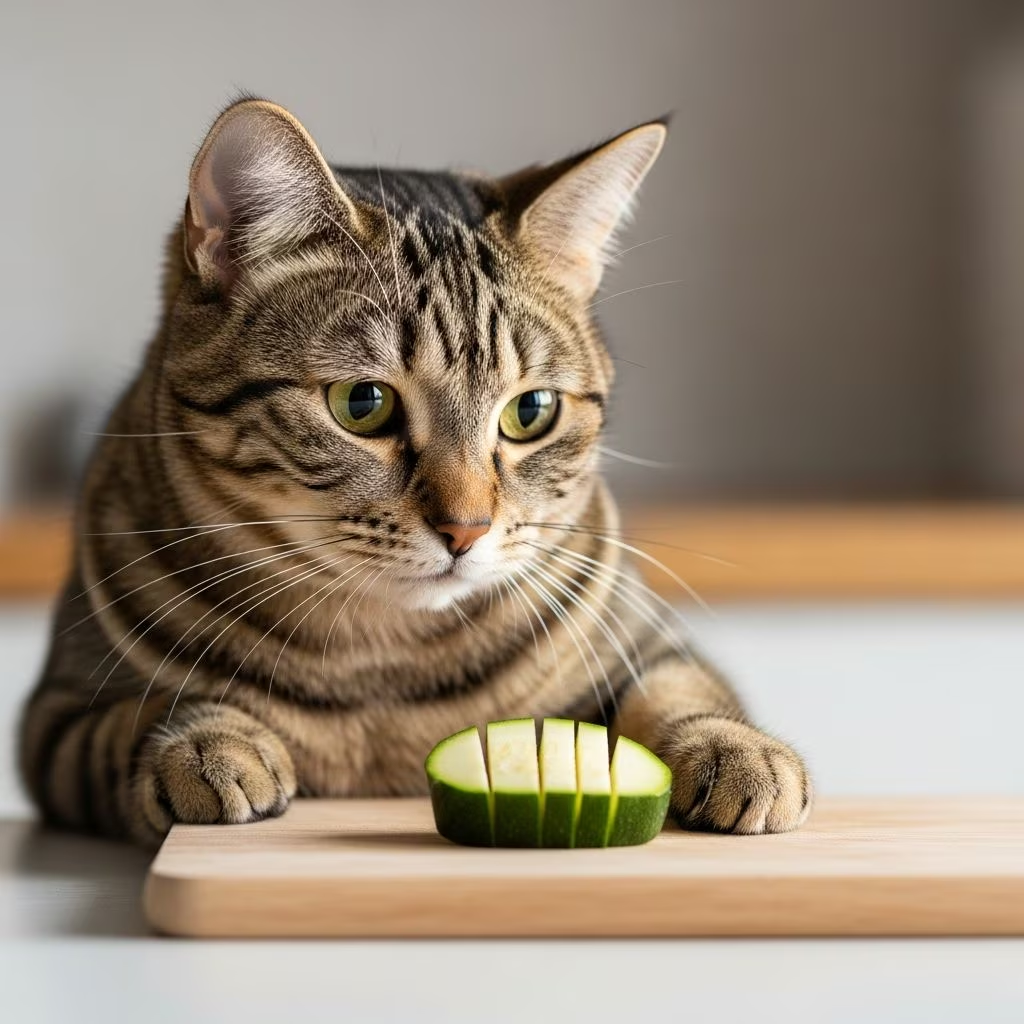
You may be wondering if sharing your crispy, crunchy zucchini with your cat is safe, especially since many plants are toxic to felines. The good news is that zucchini is non-toxic and can be a healthy occasional treat for cats, providing hydration, fiber, and low-calorie satisfaction without replacing their meat-based diet.
Reasons Why Zucchini Is a Healthy Option for Cats
Zucchini offers several nutritional benefits for cats when fed in small amounts as a supplement to their obligate carnivore diet. As cats primarily need animal proteins, zucchini serves best as a low-calorie treat or meal extender.
1. Antioxidants
Zucchini contains antioxidants that help protect cat cells from free radicals, potentially reducing risks of heart disease and cancer. These compounds support overall cellular health in felines.
2. Fiber
The fiber in zucchini promotes healthy digestion, prevents constipation, and maintains gut microflora, which bolsters the immune system and prevents diseases. It’s particularly helpful for cats prone to digestive issues.
3. Magnesium
Rich in magnesium, zucchini supports over 300 enzymatic systems in cats, aiding metabolic functions, neurotransmission, neuromuscular contraction, heartbeat, and digestion. It also helps minimize urinary infections and control hairballs.
4. Potassium
Potassium in zucchini regulates nerve and muscle function, including maintaining intracellular volume, which is crucial for feline health.
5. Fewer Calories and High Water Content
With low calories and high water (over 95%), zucchini aids weight management in overweight or obese cats by bulking meals without adding significant energy. It satisfies hunger, supports hydration—vital for desert-originated cats who get moisture from prey—and prevents obesity, diabetes, and urinary issues linked to dry food. Studies note zucchini as a strategy to decrease energy intake in obese cats.
For kittens, manganese in zucchini aids cell formation and bone development. Overall, these nutrients make zucchini a versatile, affordable addition for indoor, neutered, or weight-conscious cats.
Are Cats Allergic to Zucchini?
Zucchini allergies in cats are rare, but not impossible. Sensitivities can occur, so introduce it gradually and monitor closely. Unlike common allergens, zucchini rarely triggers reactions, making it a low-risk vegetable.
How to Safely Prepare Zucchini for Cats
Proper preparation ensures zucchini remains safe. Always serve plain, without seasonings.
- Wash thoroughly: Remove pesticides and dirt under running water.
- Cut into small pieces: Dice into bite-sized chunks to prevent choking; soften by steaming or boiling if raw is too tough.
- Remove seeds optionally: Seeds are safe in small amounts but easier to digest without.
- Avoid oils, garlic, onions, salt: These additives are toxic to cats.
Raw zucchini is safe but may be harder to chew; cooked plain versions improve palatability and digestibility.
How Much Zucchini Can Cats Eat?
Moderation is key—zucchini should not exceed 10% of daily calories. Offer a few small pieces (treat-sized) occasionally, not daily. For overweight cats, use as a meal filler to reduce overall intake. Kittens need tiny portions due to sensitive digestion.
Signs Your Cat May Not Tolerate Zucchini
Watch for adverse reactions after feeding:
- Vomiting
- Diarrhea
- Loss of appetite
- Lethargy or unusual behavior
If symptoms appear, stop immediately and consult a vet. This indicates poor tolerance or overfeeding.
Vet Tips for Feeding Human Foods to Cats
Many human foods are toxic, so caution is essential:
- Research safety first.
- Introduce small amounts slowly.
- Monitor for reactions like vomiting or diarrhea.
- Serve plain, no seasonings or additives.
- Consult vets for uncertainties.
Safe alternatives include carrots, green beans, and peas, prepared plainly.
Summary
Zucchini is a safe, nutritious treat for cats, offering fiber for digestion, hydration, low calories for weight control, and minerals like magnesium and potassium. Serve plain, in moderation, and watch for reactions to keep your feline healthy. Unlike toxic plants, it’s an affordable way to enhance diet variety without risks when done right.
Frequently Asked Questions (FAQs)
Q: Can kittens eat zucchini?
A: Yes, but in very small amounts due to sensitive digestion. Monitor closely for discomfort.
Q: Can cats eat zucchini seeds?
A: Yes, in small amounts, but removing them aids digestion.
Q: How much zucchini can I give my cat?
A: A few treat-sized pieces occasionally; not a diet staple.
Q: What other vegetables can cats eat?
A: Carrots, green beans, peas—plain and small portions.
Q: What if my cat eats seasoned zucchini?
A: Watch for vomiting, diarrhea, lethargy; contact vet if symptoms show.
Q: Is zucchini good for overweight cats?
A: Yes, low-calorie bulk helps weight loss and satisfies hunger.
Q: Does zucchini help with cat hydration?
A: Absolutely, high water content mimics prey moisture, preventing urinary issues.
References
- Can Cats Eat Zucchini? Is It Safe for Cats? — Dial A Vet. 2023. https://www.dialavet.com/blog/can-cats-eat-zucchini
- Can Cats Eat Zucchini? Vet Explained Nutrition & FAQ — Catster. 2023. https://www.catster.com/ask-the-vet/can-cats-eat-zucchini/
- The Benefits of Zucchini for My Cat — Ziggy Family. 2023. https://ziggyfamily.com/en/blogs/cats/what-are-the-benefits-of-zucchini-for-my-cat
- 6 of the Healthiest Vegetables for Cats — Love, Nala. 2023. https://www.lovenala.com/blogs/nalas-blog/6-of-the-healthiest-vegetables-for-cats
- How Feeding Zucchini to My Cat Changed My Life — Animal Diabetes Australia. 2023. http://www.animaldiabetesaustralia.com.au/helpful-information/how-feeding-zucchini-to-my-cat-changed-my-life/
- Beneficial Effects of a Prescription Home-Prepared Diet and of Zucchini — National Center for Biotechnology Information (PMC). 2024-01-15. https://pmc.ncbi.nlm.nih.gov/articles/PMC10812357/



