

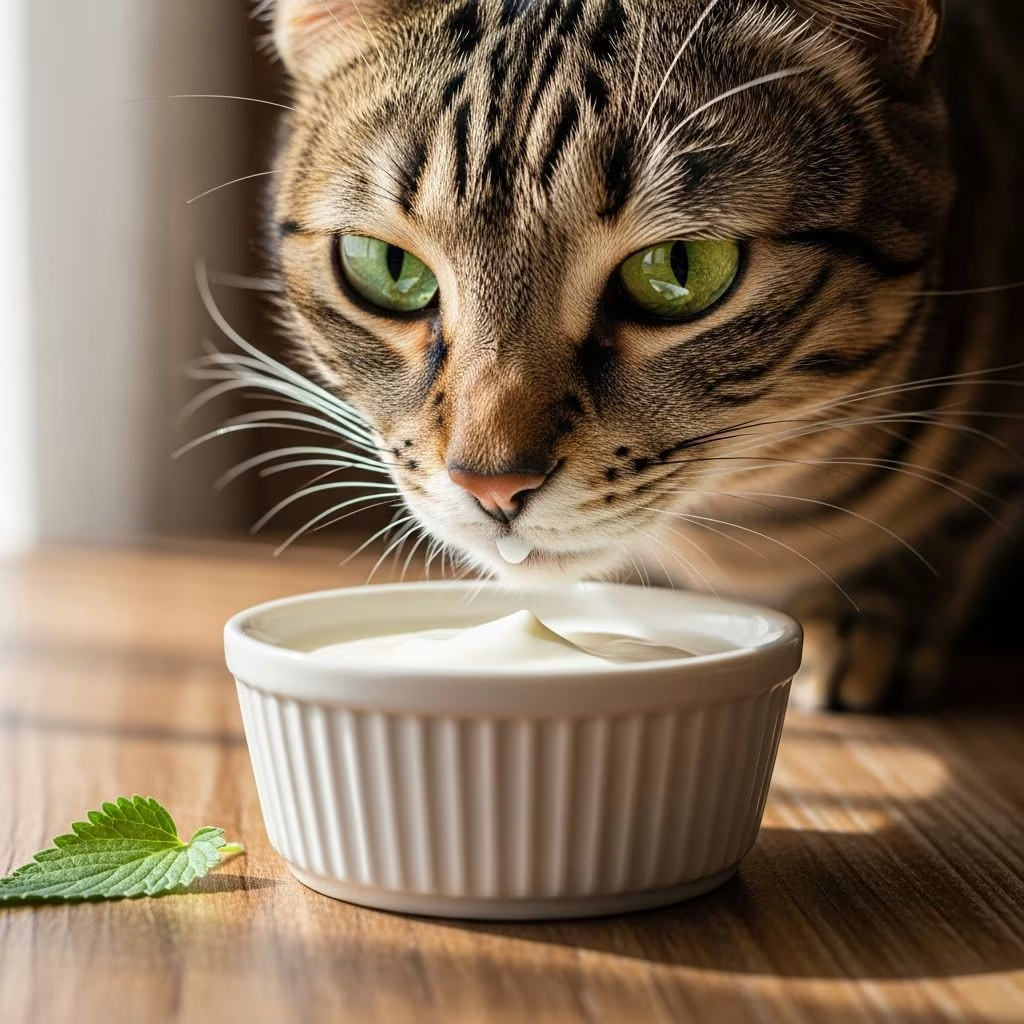
Yogurt is a popular human snack prized for its probiotics, protein, and creamy texture, but cat owners often wonder if it’s safe to share with their feline friends. The short answer is yes, cats can eat small amounts of plain, unsweetened yogurt occasionally, but it’s not recommended as a regular treat due to widespread lactose intolerance among adult cats. While the fermentation process in yogurt reduces lactose compared to milk, many cats still experience digestive issues. Always introduce it gradually and monitor for adverse reactions.
This comprehensive guide covers everything you need to know about yogurt and cats, including nutritional benefits, potential risks, safe types to offer, proper serving sizes, and answers to common questions. By understanding these factors, you can decide if yogurt fits into your cat’s diet without compromising their health.
Quick Answer: Can Cats Eat Yogurt?
Cats can have yogurt in moderation, but only plain, low-fat, unsweetened varieties. Flavored or sweetened yogurts are dangerous due to added sugars, artificial sweeteners like xylitol, and toxic ingredients such as raisins or chocolate. A teaspoon or less as an occasional treat is generally safe for most cats, providing probiotics that may aid digestion. However, since most adult cats are lactose intolerant, even yogurt can cause gas, bloating, diarrhea, or vomiting in sensitive individuals.
Understanding Lactose Intolerance in Cats
Adult cats lose the ability to produce lactase, the enzyme that breaks down lactose (milk sugar), after weaning from their mother’s milk. Kittens can digest lactose effectively, but by adulthood, lactase production drops significantly, leading to lactose intolerance in up to 75% of cats. Undigested lactose ferments in the gut, producing gas and drawing water into the intestines, which results in diarrhea and discomfort.
Yogurt contains less lactose than milk because live bacteria ferment much of it during production—typically 20-30% less. This makes it more tolerable for some cats than straight milk. Strained varieties like Greek yogurt have even lower lactose due to whey removal. Despite this, symptoms can still occur: watch for vomiting, loose stools, bloating, gas, or lethargy within 2-12 hours of consumption.
- Immediate signs: Vomiting, diarrhea, gurgling stomach.
- Delayed signs: Bloating, excessive gas, reduced appetite.
- Tip: Start with 1/4 teaspoon and observe for 24 hours before offering more.
Health Benefits of Yogurt for Cats
For cats that tolerate it well, plain yogurt offers several nutritional perks. It’s rich in protein (about 10g per 100g), calcium for bone health, B vitamins for energy metabolism, and probiotics like Lactobacillus and Bifidobacterium that support gut flora.
- Probiotics for digestion: These beneficial bacteria can help with diarrhea, constipation, or antibiotic-related gut imbalances by promoting healthy intestinal microbes.
- Immune support: Probiotics may strengthen immunity and reduce allergy susceptibility in tolerant cats.
- Nutrient boost: Provides potassium, magnesium, and zinc, though cats get these primarily from meat-based diets.
Studies on pets show yogurt’s probiotics improve fecal consistency and reduce harmful bacteria in the gut, but benefits are most pronounced in cats without dairy sensitivities. It’s not a cure-all and shouldn’t replace veterinary probiotics formulated for cats.
Risks and Dangers of Feeding Yogurt to Cats
While plain yogurt poses low risk in tiny amounts, several hazards make it controversial. Overlooking these can lead to serious health issues.
Lactose Intolerance
As noted, even low-lactose yogurt can upset lactose-intolerant cats, causing gastrointestinal distress. Sensitive cats may react to just a lick.
Added Sugars and Calories
Flavored yogurts are loaded with sugars that contribute to obesity, diabetes, and dental issues. A tablespoon packs 10-15% of a cat’s daily calories (around 200-250 kcal), promoting weight gain in sedentary pets.
Toxic Ingredients
Xylitol in “light” yogurts causes hypoglycemia and liver failure. Fruits like grapes/raisins, chocolate, or citrus in fruit yogurts are poisonous.
Overfeeding and Obesity
Cats are obligate carnivores; excess dairy fats lead to pancreatitis or hepatic lipidosis. Treats should never exceed 10% of daily intake.
| Risk | Symptoms | Prevention |
|---|---|---|
| Lactose Issues | Diarrhea, gas | Plain yogurt only, small doses |
| Sugars/Additives | Obesity, toxicity | No flavors/sweeteners |
| Overfeeding | Weight gain | Limit to 1 tsp max |
What Kind of Yogurt Can Cats Eat?
Only plain, unsweetened, low-fat yogurt. Greek or natural varieties are best due to lower lactose and higher protein. Avoid full-fat (high calories), low-fat with fillers, or any with flavors.
- Safe options: Plain Greek yogurt, natural bio yogurt (live cultures).
- Unsafe: Fruit, vanilla, low-sugar (xylitol), frozen with additives.
- Portion guide: 1/4-1 tsp for small cats; 1 tsp for large adults; none for kittens under 8 weeks or seniors with issues.
Check labels: ingredients should list only milk and cultures. Organic or goat milk yogurt may suit some allergies better.
How to Safely Give Yogurt to Your Cat
Introduce slowly: Mix a pea-sized amount into wet food. Offer by finger or spoon—never force it. Frequency: Once a week max. Store in fridge; discard after 7 days open.
Monitor post-feeding. If no issues after 2-3 trials, it’s likely tolerated. Discontinue if symptoms appear and consult a vet. For hairballs or digestion, vet-approved alternatives like pumpkin are safer.
Alternatives to Yogurt for Cats
Better probiotic sources include commercial cat supplements (FortiFlora), bone broth, or fermented fish products designed for felines. These avoid dairy risks entirely.
- FortiFlora: Vet-recommended powder.
- Pumpkin puree: Fiber for digestion.
- Commercial treats: Meat-based probiotics.
Frequently Asked Questions (FAQs)
Can cats eat Greek yogurt?
Yes, plain, unsweetened Greek yogurt is safer due to straining that removes lactose-rich whey. Offer tiny amounts only.
Can cats eat flavored yogurt?
No, flavors often contain toxic sugars, xylitol, or fruits like raisins.
Is yogurt good for cats with diarrhea?
It may help via probiotics if tolerated, but vet-approved options are preferable. Avoid if lactose intolerant.
Can kittens eat yogurt?
No, stick to kitten formula. Their guts are sensitive.
Is yogurt safe for cats with kidney disease?
No, high phosphorus and protein strain kidneys. Consult a vet.
How much yogurt can I give my cat?
No more than 1 teaspoon occasionally, based on size and tolerance.
Conclusion
Yogurt can be a rare treat for some cats, offering probiotics and nutrients, but risks like lactose intolerance and obesity often outweigh benefits. Prioritize a balanced commercial cat food diet. Always vet-check for health conditions. When in doubt, skip dairy—your cat’s optimal health comes from species-appropriate nutrition.
References
- Can Cats Have Yogurt? A Guide on This Nutritious Probiotic — Noble Vet Clinic. 2023. https://noblevetclinic.com/blog/can-cats-have-yogurt
- Can Cats Eat Yogurt? – Basepaws — Basepaws. 2023. https://basepaws.com/blog/can-cats-have-yogurt
- Can Cats Eat Yogurt? A Delicious But Controversial Snack — Genius Litter. 2023. https://geniuslitter.com/blogs/cat-nutrition/can-cats-eat-yogurt-a-delicious-but-controversial-snack
- Can Cats Eat Yogurt? | Health Advice for Curious Cat Parents — Feline Fancy. 2023. https://felinefancy.co.uk/blogs/cat-care-tips/can-cats-eat-yogurt
- Can cats eat yoghurt, and are there any risks involved? — Untamed. 2023. https://untamed.com/blogs/nutrition/can-cats-eat-yoghurt
- Can Cats Eat Yogurt? – Wag! — Wagwalking. 2023. https://wagwalking.com/wellness/can-cats-eat-yogurt



