

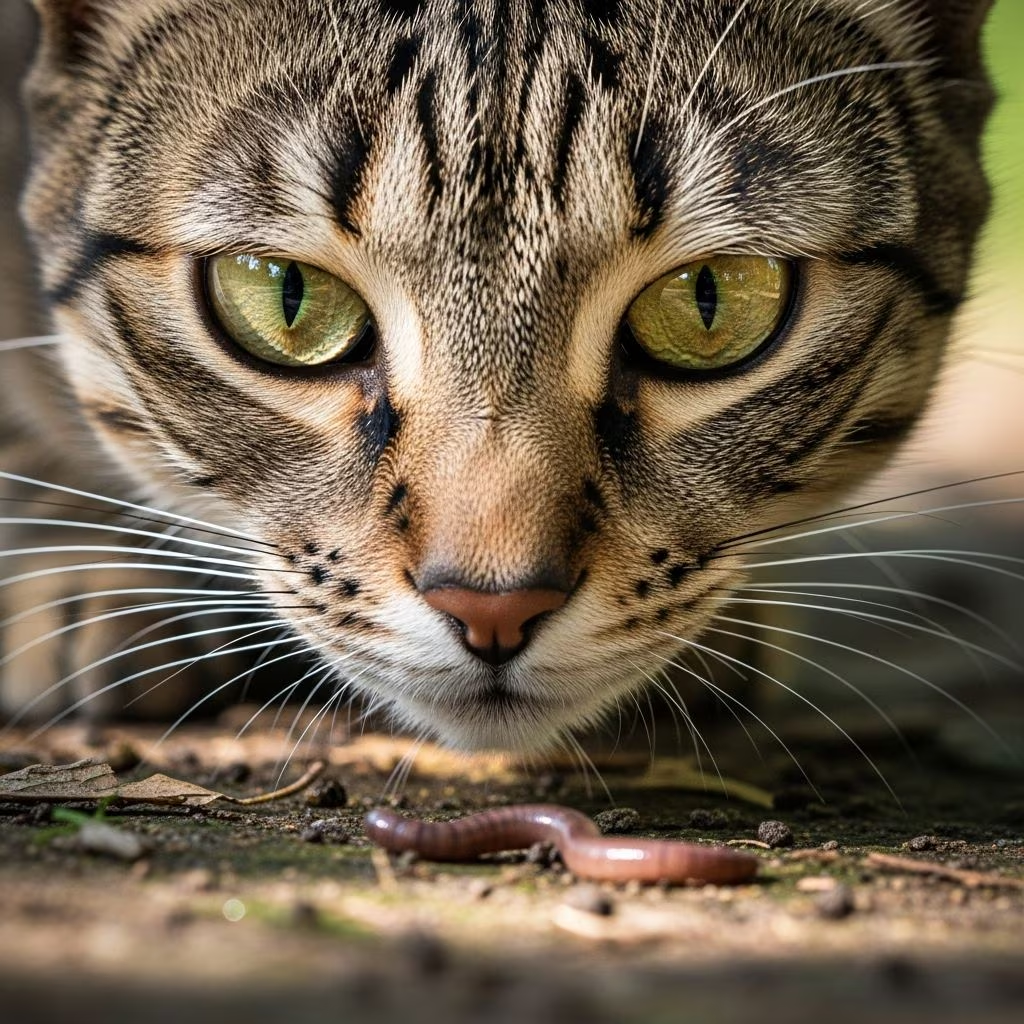
Cats are natural hunters with a strong instinct to chase and consume small prey, including earthworms they encounter outdoors. While earthworms provide minimal protein, they pose potential health risks due to parasites and bacteria.
Although not toxic, preventing cats from eating worms is advisable to avoid complications like infections. This comprehensive guide covers safety, risks, prevention strategies, nutritional alternatives, and FAQs based on veterinary insights.
Are Earthworms Bad for Cats?
Earthworms are not poisonous to cats and offer a small amount of protein, but they are not recommended as food. Cats may ingest them during play or hunting, driven by instinct rather than hunger.
The primary concern is that earthworms can harbor parasites such as Capillaria, a nematode that affects multiple organs, leading to serious health issues. Other risks include bacteria from soil or decaying matter and chemical contaminants from treated lawns.
- Earthworms move through soil, picking up parasite eggs like roundworms or hookworms.
- They may carry lungworm larvae, causing respiratory problems.
- Pesticide exposure in garden soil adds toxicity risks.
Veterinarians emphasize that while occasional ingestion is often harmless—especially with routine deworming—regular consumption heightens parasite infestation chances.
What Happens If My Cat Eats an Earthworm?
Most cats experience no immediate issues after eating a single earthworm, as they are not inherently toxic. However, monitor for symptoms of parasite transmission or bacterial infection.
Potential effects include:
- Digestive upset: Vomiting, diarrhea, or loss of appetite from bacterial contamination.
- Parasitic infections: Capillaria can damage kidneys, liver, and intestines; roundworms cause bloating and weight loss.
- Tapeworms: Transmitted indirectly via fleas on worms, leading to anal segment shedding.
- Anemia or respiratory issues: From hookworms or lungworms.
If symptoms like lethargy, coughing, or bloody stool appear, consult a vet promptly. Routine fecal exams and preventatives mitigate risks effectively.
Why Do Cats Eat Earthworms?
Cats retain their wild hunting instincts, viewing wriggling earthworms as playthings or quick snacks. Outdoor cats are more prone, especially after rain when worms surface.
Domestic cats don’t need worms nutritionally—their commercial diets suffice—but the thrill of the chase persists. Indoor cats might encounter worms brought inside or in potted plants.
Breeds like Bengals or Maine Coons, with high prey drives, are particularly enthusiastic hunters.
Types of Worms Cats Might Eat (and Risks)
Not all worms are equal; common types include:
| Worm Type | Safety for Cats | Main Risks |
|---|---|---|
| Earthworms (Nightcrawlers) | Generally safe but risky | Capillaria, roundworm eggs, bacteria |
| Red Wigglers (Compost) | Unsafe | High bacteria from decay, chemicals |
| Mealworms | Safe in moderation (commercial) | Choking if whole; allergies rare |
| Tapeworm-infected | Dangerous | Direct transmission, weight loss |
Wild earthworms top the risk list due to soil contact.
How Can I Stop My Cat from Eating Earthworms?
Prevention focuses on limiting access and maintaining health protocols:
- Keep cats indoors: Supervised outdoor time or catios reduce exposure.
- Post-rain vigilance: Worms emerge after rain; discourage digging.
- Parasite preventatives: Monthly topicals or orals cover worms, fleas, ticks.
- Lawn care: Avoid pesticides; natural deterrents like citrus peels.
- Hygiene: Clean paws after outdoors; trim nails to curb hunting.
Enrich indoor environments with toys mimicking prey to satisfy instincts safely.
Nutrition and Safe Alternatives to Worms
Cats require high-protein diets with taurine and other essentials. Worms offer negligible nutrition compared to balanced kibble or wet food.
Safe, worm-like alternatives:
- Commercial insect treats: Freeze-dried mealworms or crickets provide protein without parasites.
- Meat-based toys: Puzzle feeders with chicken or tuna simulate hunting.
- Vet-approved supplements: Omega-3s or probiotics for gut health.
- Cooked meats: Plain chicken, turkey (no seasonings).
A 2020 study found insects like superworms digest well in cats, rivaling chicken in protein quality.
When to See a Vet After Your Cat Eats Worms
Act if you observe:
- Persistent vomiting/diarrhea >24 hours.
- Visible worms in stool or vomit.
- Lethargy, weight loss, or pot-bellied appearance.
- Coughing, anemia signs (pale gums).
Vets may recommend dewormers like pyrantel or fecal testing. Annual check-ups catch issues early.
FAQs
Are earthworms toxic to cats?
No, earthworms are not toxic but can transmit parasites like Capillaria or roundworms. Most cats tolerate occasional ingestion fine with preventatives.
Can cats get sick from eating worms?
Yes, possible symptoms include GI upset, parasites causing weight loss or respiratory issues. Monitor and use preventatives.
Do all worms carry parasites harmful to cats?
No, but soil-dwelling earthworms often do, including roundworms (Toxocara cati) viable for years.
Is it okay if my indoor cat eats a worm?
Rare for indoors, but if via plants/soil, check for symptoms and ensure deworming.
Can kittens eat worms?
Kittens are more vulnerable; stricter prevention needed due to immature immunity.
Conclusion
Earthworms aren’t a dietary staple for cats and carry unnecessary risks from parasites and contaminants. Prioritize indoor living, preventatives, and quality nutrition for a healthy feline companion. Consult your vet for personalized advice.
References
- Can Cats Eat Worms? Safety & Health Guide — Zoorithm. 2023. https://www.zoorithm.com/cats/can-cat-eat-worm
- Can Cats Eat Worms (Earthworms)? Vet Approved Facts & Safety Tips — Catster. 2023. https://www.catster.com/nutrition/can-cats-eat-worms/
- Answers: Raw Food and Outdoor Cats, What About Worms? — Hare Today. 2023. https://hare-today.com/feline-nutrition/answers/answers-raw-diets-and-the-outdoors-what-about-worms
- Can Cats Eat Insects? — Dr. Ruth Roberts. 2023. https://drruthroberts.com/blogs/pet-blog/can-cats-eat-insects
- Can Cats Eat Gummy Worms Trolli? Gelatin Snack Risks — Dial A Vet. 2023. https://www.dialavet.com/blog/can-cats-eat-gummy-worms-trolli



