

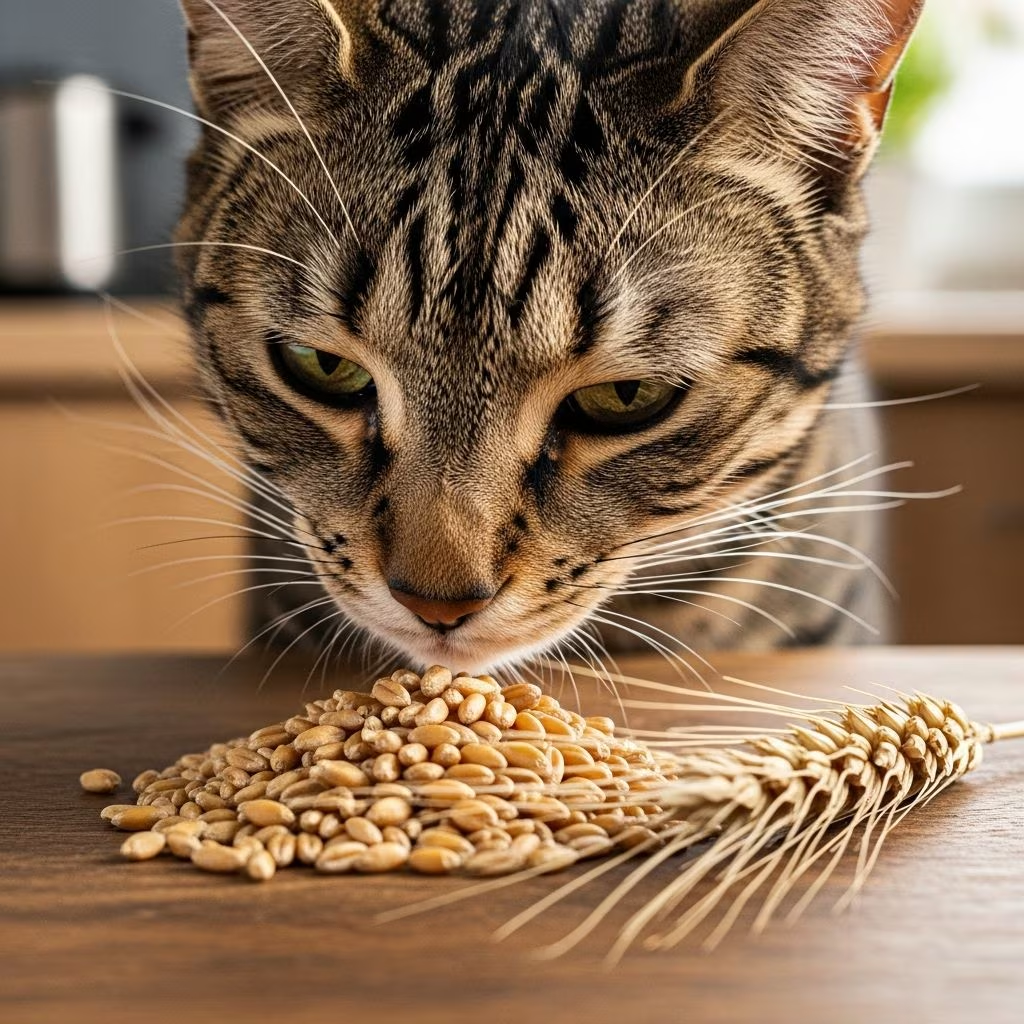
Cats can safely consume small amounts of wheat, as it is not toxic, but it provides minimal nutritional value compared to their primary need for animal-based proteins. While whole wheat offers some fiber, vitamins, and minerals, excessive intake may lead to digestive issues or contribute to obesity, making it suitable only as an occasional treat rather than a dietary staple.
Quick Answer: Can Cats Eat Wheat?
The short answer is yes, cats can eat wheat in moderation without immediate harm. Wheat is not poisonous to felines and appears in some commercial cat foods alongside grains like barley, corn, oats, and rice. However, cats are obligate carnivores, meaning their digestive systems are optimized for meat, not grains. Wheat can provide supplementary fiber for digestion and trace nutrients like iron and niacin, but it should never replace high-quality protein sources.
Overfeeding wheat or wheat-based products can cause bloating, diarrhea, or weight gain due to its carbohydrate content. Quality cat foods prioritize meat as the first ingredient, using grains sparingly if at all. Grain-free options exist but aren’t inherently superior unless a cat has a specific sensitivity.
Is Wheat Good or Bad for Cats?
Wheat offers both potential benefits and drawbacks for cats, depending on quantity and form. Whole wheat contains fiber that aids regularity, preventing constipation and supporting gut health. It also supplies plant-based protein, iron (4.6 mg per 100 grams in whole wheat), niacin for energy metabolism, and folate for cell repair—nutrients that complement a meat-heavy diet when fed alongside balanced cat food.
- Fiber: Helps with digestion, reduces blood sugar spikes, and promotes satiety. Bulgur, oats, and barley are high-fiber alternatives.
- Protein: Supplementary amino acids from wheatberries or quinoa support muscle maintenance.
- Iron and Vitamins: Boosts intake of essential minerals without replacing taurine-rich meats.
However, refined wheat lacks these benefits, providing empty calories that can lead to malnutrition if over-relied upon. Studies indicate grain-inclusive diets match grain-free ones in nutritional profiles, debunking myths that grains are mere fillers. Allergies to wheat gluten are rare, affecting far fewer cats than popularly believed.
When a Cat Has a Wheat Allergy
Wheat allergies in cats are uncommon, with true gluten intolerance being exceptionally rare. Most reactions stem from other ingredients or sensitivities rather than wheat itself. Symptoms, if present, typically appear after repeated exposure to wheat-containing foods.
Common signs include:
- Constant scratching or itching
- Excessive licking, especially paws or belly
- Dry, flaky coat with hair loss
- Gastrointestinal issues like vomiting or diarrhea
- Loss of appetite or unexplained weight loss
If these symptoms coincide with wheat in the diet, consult a veterinarian for allergy testing. Switch to grain-free formulas, which eliminate wheat, corn, and other grains. Note that many ‘grain-free’ foods use alternatives like peas or potatoes, which can cause similar issues in sensitive cats.
Wheat Products That Are Okay for Cats
Certain plain, whole wheat products can be shared sparingly with healthy cats. Always ensure they are fully cooked, free of additives like butter, garlic, onions, raisins, chocolate, xylitol, or excessive salt, and given only after veterinary approval for cats with health conditions.
Safe options include:
- Whole wheat bread (plain, no toppings)
- Rye bread
- Whole wheat crackers (unsalted, no flavors)
- Whole wheat pasta (plain, cooked)
- Pumpernickel bread
Limit to tiny pieces—a pinch or crumb—as treats should comprise no more than 10% of daily calories. These provide minor fiber benefits but lack the taurine and proteins cats require.
Wheat Products That Cats Should Never Eat
Many wheat items are unsafe due to refining, high salt, sugars, fats, or toxic additives. White flour products offer no nutrition, while flavored or processed foods pose risks like hypertension or pancreatitis.
| Unsafe Product | Why Avoid? |
|---|---|
| Pretzels | High salt, refined white flour; no benefits, potential sodium overload. |
| White bread/crackers | Empty carbs from processed flour; leads to obesity. |
| Cookies, muffins, cakes | Sugar, dairy, oils, preservatives; causes digestive upset or toxicity. |
| Seasoned wheat snacks (e.g., flavored chips) | Oils, spices, artificial additives harmful to cats. |
| Bread with xylitol or raisins | Toxic sweeteners/fruits causing organ failure. |
Even whole wheat versions of these become problematic with extras. Opt for cat-specific treats instead.
Conclusion
Cats thrive on meat-based diets and do not require wheat for health. Occasional small amounts of plain whole wheat products won’t harm most felines and may offer fiber perks, but prioritize commercial or homemade meat-focused foods. Monitor for allergies, maintain moderation, and consult vets for tailored advice to ensure your cat’s optimal nutrition and well-being.
Frequently Asked Questions
Is wheat toxic to cats?
No, wheat is not toxic. Cats can digest it in small quantities, though it’s not essential.
Can cats eat wheat bread?
Yes, plain whole wheat bread in tiny amounts occasionally, but avoid if it contains harmful additives like xylitol.
Are grains bad for cats?
No, in moderation with balanced food. Whole grains provide fiber and nutrients; grain-free isn’t universally better.
How much wheat can I give my cat?
Very little—a small crumb as a rare treat, never exceeding 10% of calories to prevent digestive or weight issues.
Related Reads
- Can Cats Eat Bread?
- Best Grain-Free Cat Foods
- Signs of Food Allergies in Cats
References
- Can Cats Eat Wheat? Vet-Reviewed Facts & Safety Guide — Hepper. 2023. https://articles.hepper.com/can-cats-eat-wheat/
- Can Cats Eat Grains? — WagWalking. 2023. https://wagwalking.com/wellness/can-cats-eat-grains
- Can Cats Eat Bread? — PetMD. 2023. https://www.petmd.com/cat/nutrition/can-cats-eat-bread
- Is Grain Free Bad for Cats? — Nature’s Logic. 2023. https://natureslogic.com/blog/is-grain-free-bad-for-cats/
- What’s in My Cat’s Food?: Designer Diets, Grain Free Diets — VCA Animal Hospitals. 2023. https://vcahospitals.com/know-your-pet/whats-in-my-cats-food-designer-diets-grain-free-diets



