

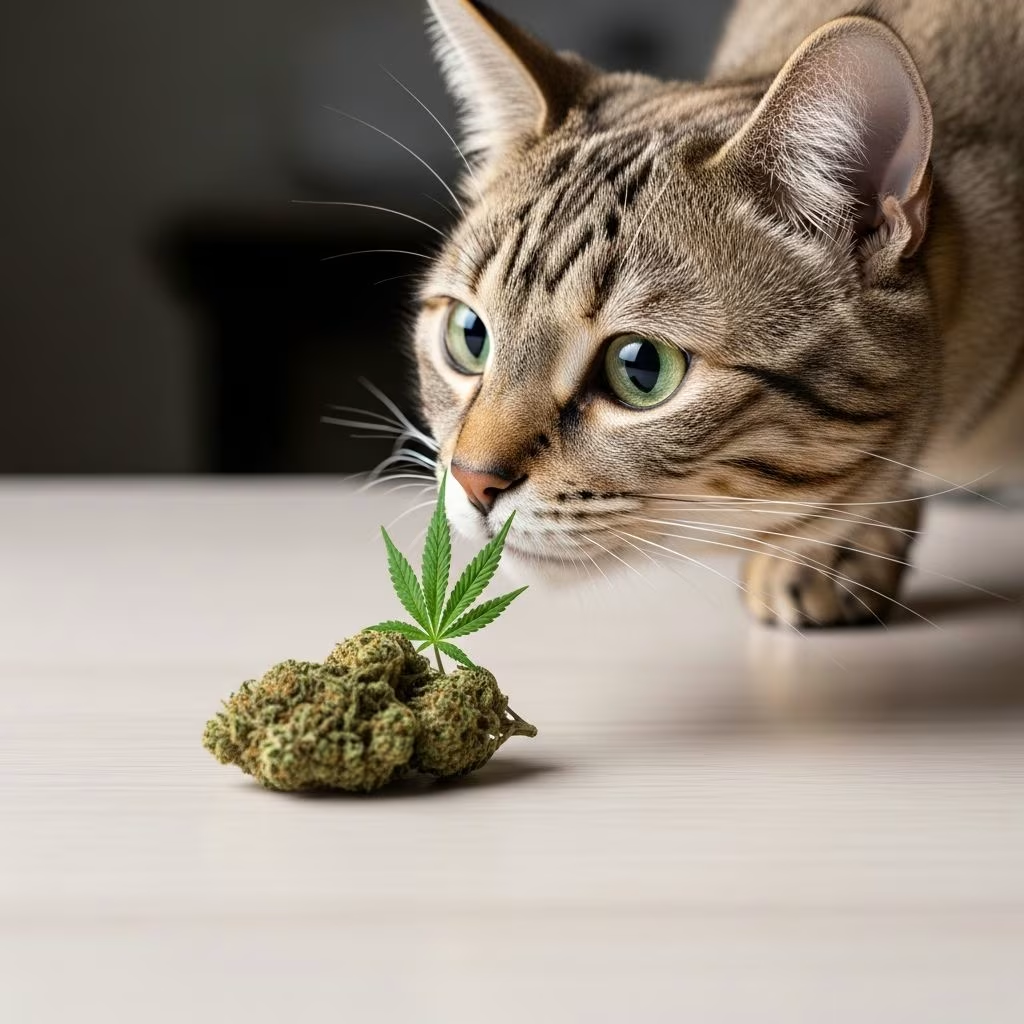
Can Cats Eat Weed? A Complete Guide to Marijuana Safety for Felines
Marijuana use has become increasingly common in many households, but pet owners often overlook the serious dangers that cannabis poses to their feline companions. If you have a cat and marijuana in your home, it’s crucial to understand the risks of accidental exposure and the steps you should take if your kitty gets into your stash. While some studies have explored cannabis applications for human health, marijuana is toxic to cats and can cause significant health complications.
Is Marijuana Toxic to Cats?
Yes, marijuana is definitively toxic to cats. The primary toxic compound in cannabis is tetrahydrocannabinol (THC), the psychoactive ingredient responsible for the “high” effect in humans. Unlike humans, cats have a much higher density of cannabinoid receptors in their brains, making them significantly more sensitive to even small amounts of THC. This biological difference means that minimal exposure can cause noticeable and concerning symptoms in your feline friend.
While the exact toxic dose for cats remains unknown, research shows that marijuana toxicity in cats is uncommon compared to dogs but still represents a serious health concern. The good news is that marijuana poisoning in cats is rarely lethal, though affected cats typically require veterinary intervention and supportive care to recover fully. However, this doesn’t diminish the importance of prevention and prompt action if exposure occurs.
How Can Cats Get Exposed to Marijuana?
Understanding the various ways cats can encounter marijuana is essential for prevention. Most cases of feline cannabis exposure are accidental, occurring when curious cats discover accessible marijuana products in the home.
Common Routes of Marijuana Exposure in Cats
- Direct plant ingestion: If you grow marijuana indoors or outdoors, your cat may chew on or eat the leaves and flowers of the plant, which contain THC
- Edibles consumption: Cannabis-infused food products like brownies, cookies, gummies, and candies are particularly dangerous because they often contain higher concentrations of THC and may include other toxic substances for cats, such as chocolate or xylitol
- Cannabis concentrates: Products like cannabutter (cannabis-infused butter) pose additional risks because they combine THC toxicity with the potential for pancreatitis due to their high fat content
- Dried marijuana: Loose, dried cannabis or marijuana cigarettes can be easily accessed and consumed by curious cats
- Secondhand smoke: Cats can become intoxicated through passive smoke inhalation when present in the same room as someone smoking marijuana
Among these exposure routes, edibles tend to be the most dangerous because they typically contain significantly higher THC concentrations than the plant itself and may include secondary toxins harmful to cats.
Symptoms of Marijuana Toxicity in Cats
If your cat has been exposed to marijuana, recognizing the symptoms of THC poisoning is critical for obtaining timely veterinary care. Symptoms can vary depending on the amount ingested and your cat’s individual health status, age, and body weight.
Common Signs of Cannabis Poisoning
- Vomiting and loss of appetite
- Lack of coordination and balance problems (ataxia)
- Lethargy and excessive drowsiness
- Dilated pupils
- Tremors or muscle twitching
- Seizures (in severe cases)
- Drooling
- Altered mental state and confusion
- Rapid or irregular heartbeat
- Low body temperature
These symptoms typically appear within 30 minutes to several hours after exposure and can last for several hours or longer depending on the amount of THC ingested. If you notice any of these signs in your cat, immediate veterinary attention is necessary.
Factors Affecting Marijuana Toxicity in Cats
The severity of marijuana toxicity in cats depends on several individual and exposure-related factors:
- Body size: Smaller cats will experience more severe effects from the same amount of THC as larger cats
- Age: Kittens and senior cats may be more vulnerable to adverse effects
- Overall health status: Cats with pre-existing health conditions may be more susceptible to complications
- Amount of THC consumed: Higher doses produce more severe symptoms
- Type of product: Edibles with higher THC concentrations pose greater risks than plant material
- Secondary toxins: Edibles containing chocolate, xylitol, or other harmful ingredients compound the danger
What Should You Do If Your Cat Eats Marijuana?
If you suspect your cat has been exposed to marijuana, taking immediate action can make a significant difference in the outcome. Here’s what you need to do:
Immediate Steps
- Contact your veterinarian immediately: Call your vet right away, even if your cat hasn’t shown symptoms yet. Prompt intervention can prevent symptoms from developing or worsening
- Identify the product: Determine what form of marijuana your cat was exposed to—this is crucial for treatment. Whether it was the plant, edibles, concentrates, or smoke inhalation affects the veterinary approach
- Note the timing: Tell your vet approximately when the exposure occurred
- Provide details about ingredients: If your cat ate an edible, inform your vet about all ingredients, especially chocolate, alcohol, xylitol, or other toxic substances
- Bring the product container: If possible, bring the packaging or a sample so your vet can determine THC concentration
Veterinary Treatment for Marijuana Toxicity
Treatment for feline cannabis poisoning is primarily supportive care, as there is no specific antidote for THC toxicity. Your veterinarian’s approach will depend on the type of exposure and your cat’s symptoms.
Common Treatment Approaches
- Decontamination: If the exposure is very recent, your vet may induce vomiting to remove the marijuana from your cat’s stomach, though this approach varies depending on the product ingested
- Activated charcoal: May be administered to prevent THC absorption in the gastrointestinal tract
- Supportive care: Includes fluid therapy, temperature regulation, and monitoring of vital signs
- Medication management: Your vet may prescribe anti-nausea medication, sedatives, or other drugs to manage symptoms
- Secondary toxin treatment: If the edible contained chocolate, alcohol, or other toxic substances, additional treatment protocols are necessary
- Respiratory support: If your cat inhaled secondhand smoke, respiratory support may be needed
- Hospitalization: Severely affected cats may require overnight or extended hospitalization for monitoring and care
Most cats recover completely from marijuana exposure without long-term complications when given appropriate veterinary care. Recovery time varies but typically ranges from several hours to a day or more, depending on the severity of exposure.
Catnip vs. Marijuana: Important Differences
Many cat owners mistakenly believe that catnip and marijuana have similar effects on cats. This is a dangerous misconception. While both substances can affect feline behavior, they work through entirely different mechanisms and pose vastly different safety profiles.
Key Differences Between Catnip and Marijuana
| Aspect | Catnip | Marijuana |
|---|---|---|
| Active compound | Nepetalactone (mimics feline pheromones) | THC (psychoactive compound) |
| Effect on brain | Stimulates pleasure receptors | Affects cannabinoid receptors, causing intoxication |
| Behavioral response | Rolling, purring, playfulness (mimics mating behavior) | Lethargy, confusion, loss of coordination |
| Awareness of surroundings | Cats remain fully aware | Cats become disoriented and confused |
| Toxicity potential | Non-toxic; cannot overdose | Toxic; overdose is possible |
| Long-term effects | None; safe repeated use | Requires veterinary intervention |
Catnip is a safe enrichment tool for cats and cannot cause toxicity or overdose. Marijuana, conversely, is a genuine health hazard that requires careful storage and prevention strategies.
Prevention: Keeping Your Cat Safe
The best way to protect your cat from marijuana toxicity is through careful prevention and responsible storage of cannabis products.
Essential Prevention Strategies
- Store all cannabis products securely: Keep marijuana, edibles, concentrates, and any THC-containing products in locked containers, cabinets, or drawers that your cat cannot access
- Do not grow marijuana plants where cats can reach them: If you cultivate cannabis, ensure it’s in a location completely inaccessible to your feline
- Avoid smoking around your cat: Never smoke marijuana in the same room as your pet, as secondhand smoke exposure can cause intoxication
- Be cautious with guests: Inform visitors about your cat and ensure they understand the importance of keeping cannabis products secured
- Properly dispose of marijuana waste: Dispose of stems, leaves, and other cannabis materials in sealed containers away from pet access
- Educate household members: Ensure everyone in your home understands the dangers and agrees to responsible storage practices
Frequently Asked Questions About Cats and Marijuana
Q: Can CBD oil harm my cat?
A: CBD (cannabidiol) is different from THC and is non-psychoactive. Early research suggests CBD may be safe for cats and could potentially help with anxiety and pain, though more research is needed. However, always consult your veterinarian before giving your cat any CBD products, as the market is not highly regulated and dosing information is limited.
Q: Why are cats less likely to eat marijuana than dogs?
A: Cats generally have more discerning palates than dogs and are naturally less interested in exploring and consuming random substances they encounter. However, this doesn’t mean cats are immune to accidental exposure, especially with cannabis-infused edibles that may smell or taste appealing to them.
Q: How long does marijuana stay in a cat’s system?
A: The duration varies depending on the amount ingested and your cat’s metabolism. While acute symptoms typically resolve within several hours to a day, traces of THC can remain in the body longer. Your veterinarian can provide more specific information based on your cat’s situation.
Q: Is there a lethal dose of marijuana for cats?
A: While marijuana toxicity in cats is rarely lethal, the exact lethal dose is unknown. Given cats’ higher sensitivity to THC due to increased cannabinoid receptors, any exposure should be treated seriously and reported to a veterinarian immediately.
Q: What if my cat was only exposed to secondhand marijuana smoke?
A: Even secondhand smoke exposure can cause intoxication in cats. If you notice any symptoms after smoking around your cat, contact your veterinarian. To prevent exposure, avoid smoking marijuana in areas where your cat spends time.
Q: Are certain cat breeds more susceptible to marijuana toxicity?
A: There’s no evidence that specific breeds are more vulnerable to THC toxicity. However, factors like age, body size, and overall health status do influence susceptibility, regardless of breed.
When to Call an Emergency Veterinarian
Seek emergency veterinary care immediately if your cat exhibits any of the following:
- Severe lethargy or unresponsiveness
- Repeated vomiting
- Seizures
- Difficulty breathing
- Loss of consciousness
- Severe tremors or muscle rigidity
- Inability to urinate or defecate
- Signs of extreme distress or pain
Don’t hesitate to contact an emergency clinic if you’re unsure whether your cat’s symptoms warrant immediate attention. It’s always better to err on the side of caution with potential toxin exposure.
Conclusion
While marijuana use is becoming more socially accepted, cat owners must recognize the genuine dangers this substance poses to their feline companions. Marijuana is toxic to cats due to their higher sensitivity to THC and increased cannabinoid receptors in their brains. By understanding the routes of exposure, recognizing symptoms, and implementing robust prevention strategies, you can significantly reduce the risk of accidental marijuana toxicity in your cat. If exposure does occur, prompt veterinary care is essential for ensuring the best possible outcome. Remember that catnip remains a safe, non-toxic alternative for cat enrichment, while marijuana requires careful, secure storage away from all pets in your household.
References
- Can Cats Get High? Vet-Reviewed Facts on Effect and Safety — Catster. January 2026. https://www.catster.com/cat-health-care/can-cats-get-high/
- Can Cats Have CBD Treats? Vet-Verified Safety & Benefits Explained — Catster. https://www.catster.com/nutrition/can-cats-have-cbd-treats/
- Is Marijuana Bad for Cats? — PetMD. https://www.petmd.com/cat/general-health/marijuana-bad-cats
- Cannabis (Marijuana) Intoxication in Cats and Dogs — VCA Animal Hospitals. https://vcahospitals.com/know-your-pet/marijuana-intoxication-in-dogs-and-cats
- My Cat Ate Marijuana: Is It Toxic for Them? — Hill’s Pet Nutrition. https://www.hillspet.co.id/cat-care/healthcare/my-cat-ate-marijuana



