

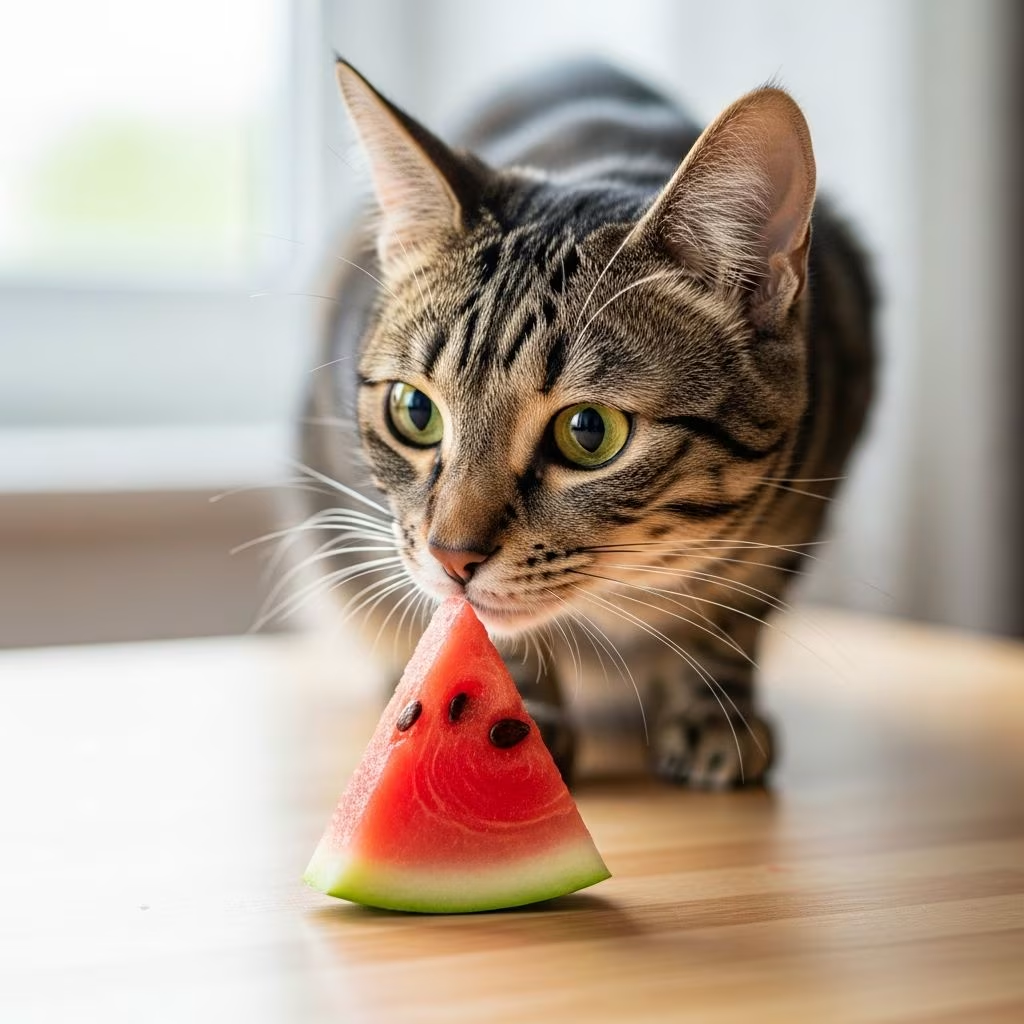
Can Cats Eat Watermelon? Everything You Need to Know
Watermelon is a refreshing summer treat enjoyed by many people, and it’s natural to want to share this juicy fruit with your feline companion. The good news is that watermelon isn’t toxic to cats, and when given in moderation, it can be a safe occasional treat. However, there are several important considerations pet parents should understand before offering watermelon to their cats. This comprehensive guide covers everything you need to know about feeding watermelon to your feline friend, including nutritional benefits, potential risks, and best practices for safe preparation and serving.
Is Watermelon Safe for Cats?
Yes, cats can eat watermelon safely when it’s prepared correctly and offered in appropriate portions. Watermelon is not toxic to cats, and the flesh of the fruit can be a hydrating treat, particularly during warm weather. However, safety depends entirely on how the watermelon is prepared and served. The key to safe watermelon consumption for cats is understanding which parts are acceptable and which must be avoided entirely.
Watermelon is composed of approximately 92% water, making it an excellent source of hydration for your cat during hot days. This high water content is one of the primary reasons watermelon can be beneficial as an occasional treat. However, cats have unique dietary needs as obligate carnivores, meaning they require nutrients primarily derived from animal proteins. While watermelon contains some beneficial vitamins and minerals, it should never replace a cat’s balanced, protein-rich diet formulated specifically for their nutritional requirements.
Nutritional Benefits of Watermelon for Cats
Although watermelon isn’t nutritionally essential for cats, it does contain several beneficial components that can supplement their diet when given appropriately.
Vitamins and Minerals
Watermelon contains an array of vitamins and minerals that are beneficial for feline health:
– Vitamin A: Supports eye health and vision, which is crucial for cats’ excellent night vision- Vitamin B1 (Thiamine): Helps convert food into energy- Vitamin B5 (Pantothenic Acid): Supports metabolism and hormone production- Vitamin C: Acts as an antioxidant and supports immune function- Potassium: Essential for heart and muscle function- Magnesium: Plays a role in muscle and nerve function
Low Calorie Content
Watermelon is extremely low in calories, containing approximately one calorie per teaspoon. This makes it an ideal treat option when following the 10 percent rule, which states that no more than 5 to 10 percent of your cat’s daily caloric intake should come from treats. This guideline helps ensure that treats don’t interfere with your cat’s nutritional balance and don’t contribute to weight gain or obesity.
Hydration Benefits
The high water content in watermelon makes it excellent for promoting hydration, especially on hot days when cats may be less motivated to drink adequate water. This can be particularly beneficial for cats that don’t drink enough water throughout the day. Proper hydration supports kidney function and overall urinary tract health in cats.
What Parts of Watermelon Can Cats Eat?
Understanding which parts of watermelon are safe for cats is critical for preventing health problems. Not all parts of the watermelon are appropriate for feline consumption.
Safe: Watermelon Flesh
The only safe part of watermelon for cats is the flesh, also called the mesocarp. This is the pink or red, juicy interior that most people consume. When properly prepared, this portion can be safely offered to cats in small quantities. The flesh should be cut into tiny, bite-sized pieces to prevent choking hazards and to make it easier for cats to consume. A single 1-inch square cut into appropriate bite-sized pieces is more than sufficient for a single serving.
Unsafe: Watermelon Seeds
Watermelon seeds are absolutely not safe for cats and should always be removed completely before offering watermelon flesh to your pet. Watermelon seeds pose multiple serious risks:
– Cyanide Content: Watermelon seeds contain cyanide, which is toxic to cats. When cats bite into these seeds, they can ingest cyanide, which can cause vomiting, loss of appetite, stomach issues, and constipation- Choking Hazard: The size and hardness of watermelon seeds make them a choking risk for cats- Gastrointestinal Distress: Seeds can cause digestive upset and blockages in the intestinal tract
While seedless watermelon varieties are becoming more common, they may occasionally contain a few pale, soft seeds. Pet parents should err on the side of caution and remove any seeds they notice before serving watermelon to their cats.
Unsafe: Watermelon Rind
The rind (the hard, green outer skin) of the watermelon should never be given to cats. The rind is extremely difficult for cats to digest and presents multiple hazards:
– Intestinal Blockage: The rind’s toughness can cause intestinal obstruction- Choking Hazard: Cats may try to swallow large pieces without proper chewing- Digestive Upset: The rind can cause stomachaches and digestive complications
Can Watermelon Be Bad for Cats?
While watermelon is generally safe for healthy cats, there are several situations where it may not be appropriate and could potentially cause problems.
Sugar Content Concerns
Watermelon contains natural sugars, which can be problematic for certain cats. Cats with diabetes or obesity should not be offered watermelon as a treat, given the natural sugar content of the fruit. High sugar intake can interfere with diabetic control and potentially lead to worsening obesity in overweight cats. Even small amounts of watermelon could cause blood sugar fluctuations in cats with compromised glucose regulation.
Digestive Sensitivity
Some cats have sensitive digestive systems that don’t tolerate fruit well. Cats’ digestive systems aren’t designed to process plant matter or sugar content efficiently, as they are obligate carnivores. Even small amounts of watermelon can cause:
– Vomiting- Diarrhea- Upset stomach- General digestive distress
If your cat has a sensitive stomach or any underlying gastrointestinal conditions, it’s best to avoid offering watermelon entirely. When introducing any new food, including watermelon, it should be done gradually to allow your cat’s digestive system to adjust.
Health Conditions to Consider
Cats with specific health conditions should not be offered watermelon treats. These include:
– Diabetes mellitus- Obesity- Gastrointestinal sensitivities or disorders- Cats on prescription diets- Kittens with developing digestive systems
Always consult with your veterinarian before introducing new foods to your cat’s diet, especially if your cat has any existing health conditions or is on a prescription diet formulated to manage a specific health issue.
Can Kittens Eat Watermelon?
Watermelon is not recommended for kittens. Young cats have developing digestive systems that are more delicate than those of adult cats. Kittens require a balanced diet specifically formulated to support their growth and development, with calories coming primarily from high-quality protein sources, not sugar-filled fruit. The sugar content in watermelon could upset a kitten’s developing digestive system and interfere with proper nutrition during this critical growth phase. Additionally, kittens may be more susceptible to choking hazards from watermelon pieces. It’s best to keep kittens focused on their specialized kitten food formulas and avoid introducing fruit treats until they are fully mature.
How to Safely Feed Watermelon to Your Cat
If you’ve determined that watermelon is appropriate for your cat and your veterinarian has approved it, follow these guidelines to ensure safe consumption:
Preparation Steps
Proper preparation is essential before offering watermelon to your cat:
– Thoroughly wash the outside of the watermelon to remove any pesticides or contaminants- Remove the entire rind completely- Remove all seeds without exception- Cut the flesh into tiny, bite-sized pieces appropriate for your cat’s mouth size- Serve only plain watermelon with no added sugars, syrups, or other ingredients
Following the 10 Percent Rule
The 10 percent rule is a fundamental guideline in pet nutrition: treats, including fruit, should comprise no more than 5 to 10 percent of your pet’s total daily caloric intake. This ensures that treats don’t interfere with your cat’s balanced nutrition. To determine appropriate portions, discuss your cat’s daily calorie requirements with your veterinarian. Many veterinary websites offer helpful calculators to determine proper treat portions based on your cat’s weight and age.
Frequency Guidelines
Watermelon should be offered only as an occasional treat, ideally no more than once or twice per week. This frequency helps prevent digestive upset and ensures that watermelon remains a special treat rather than a dietary staple.
Monitoring Your Cat
After offering watermelon to your cat for the first time, closely monitor them for any negative reactions over the following hours and days. Watch for:
– Vomiting or regurgitation- Diarrhea or loose stools- Loss of appetite- Lethargy or unusual behavior- Abdominal pain or discomfort
If you notice any of these symptoms, discontinue watermelon immediately and contact your veterinarian if symptoms persist or worsen.
Important Reminders
Before offering any new food to your cat, including watermelon, always consult with your veterinarian. What works well for one cat may not be appropriate for another cat, depending on age, health history, existing health conditions, and current diet. Cats on prescription diets should not be fed any foods or treats outside their prescribed diet without veterinary approval, as this could interfere with the therapeutic benefits of their specialized nutrition.
While watermelon can be a refreshing treat that cats may enjoy, it should never become a significant part of your cat’s diet. Your cat’s primary nutrition should come from a complete and balanced commercial cat food formulated to meet all their nutritional requirements as an obligate carnivore.
Frequently Asked Questions (FAQs)
Q: How much watermelon can I give my cat?
A: A single 1-inch square cut into bite-sized pieces is an appropriate serving size for most healthy adult cats. This should be given no more than once or twice per week and must follow the 10 percent daily treat rule.
Q: What should I do if my cat ate watermelon seeds?
A: Monitor your cat closely for signs of cyanide toxicity, including vomiting, loss of appetite, stomach upset, and constipation. Contact your veterinarian if you notice any of these symptoms. A few seeds from seedless varieties typically won’t cause serious harm, but larger quantities should be treated as a potential emergency.
Q: Can I give my diabetic cat watermelon?
A: No, cats with diabetes should not eat watermelon due to the natural sugar content. Watermelon can cause blood sugar fluctuations that interfere with diabetic management. Always consult your veterinarian before offering treats to cats with diabetes.
Q: Is seedless watermelon safe for cats?
A: Seedless watermelon varieties are safer than regular watermelon since they contain few to no seeds. However, always inspect the watermelon and remove any pale seeds you find before serving to your cat.
Q: Can watermelon cause digestive problems in cats?
A: Yes, some cats with sensitive digestive systems may experience vomiting, diarrhea, or upset stomach from watermelon. If your cat has any digestive sensitivities, avoid offering watermelon altogether.
Q: Should I feed my cat watermelon in summer?
A: While watermelon’s high water content makes it hydrating during summer months, ensure your cat has access to plenty of fresh water. If your cat enjoys watermelon and tolerates it well, it can be an occasional summer treat, but it shouldn’t replace regular water intake.
References
- Can Cats Eat Watermelon? Everything You Need to Know — Chewy Education. 2024. https://www.chewy.com/education/cat/food-and-nutrition/can-cats-eat-watermelon
- Can Cats Eat Watermelon? — PetMD. 2024. https://www.petmd.com/cat/nutrition/can-cats-eat-watermelon
- Can Cats Eat Watermelon? A Guide to Safety — Purina US. 2024. https://www.purina.com/articles/cat/feeding/can-cats-eat/watermelon
- Can Cats Eat Watermelon? Safety, Health Benefits & Feeding Tips — Noble Vet Clinic. 2024. https://noblevetclinic.com/blog/can-cats-eat-watermelons
- Can Cats Eat Watermelon? A Comprehensive Guide — Birds Be Safe. 2024. https://www.birdsbesafe.com/blogs/news/can-cats-eat-watermelon



