

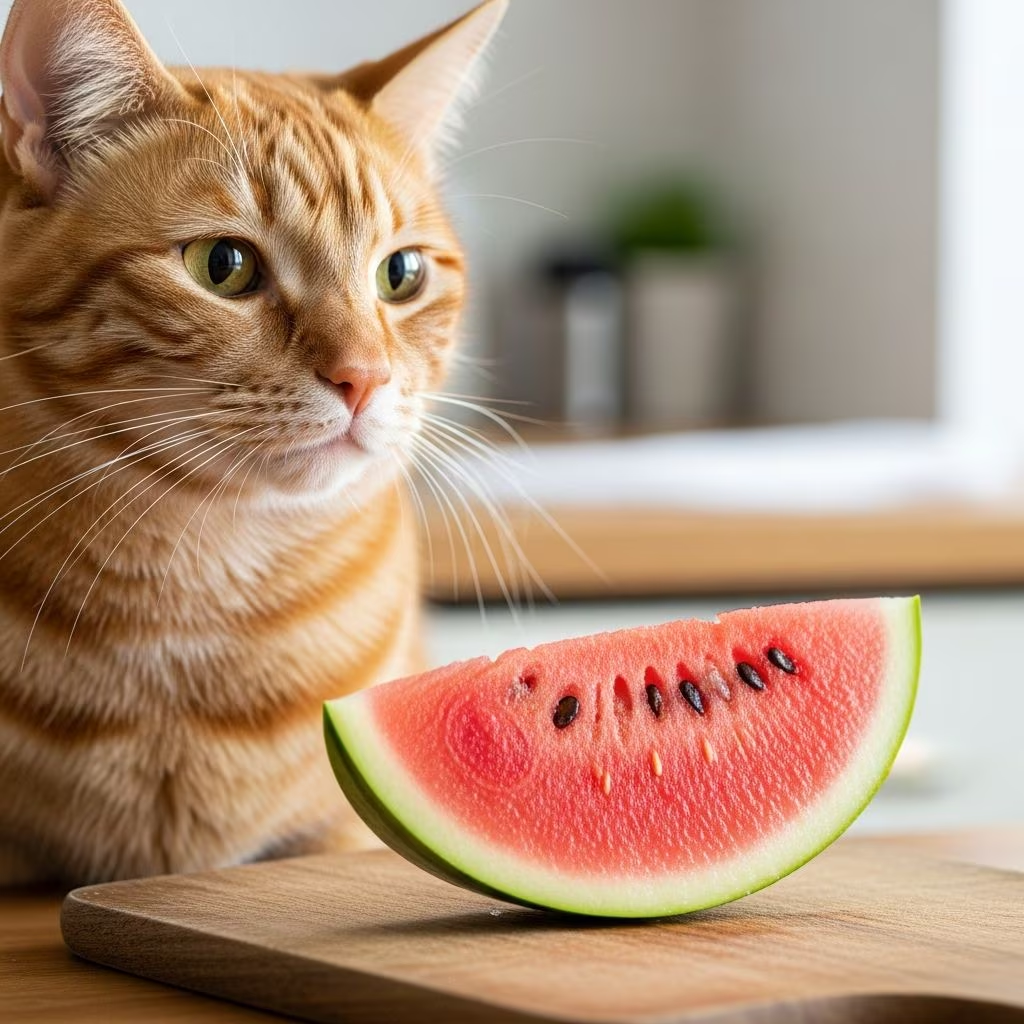
Watermelon offers a hydrating, low-calorie option that many healthy adult cats can enjoy in small amounts, provided it’s seedless and rind-free. As obligate carnivores, cats derive primary nutrition from meat-based foods, but this fruit can serve as an occasional palate cleanser without toxicity concerns.
Nutritional Profile of Watermelon and Its Relevance to Feline Health
Composed mostly of water—about 92%—watermelon provides hydration benefits during hot weather, helping prevent dehydration in active cats. It contains modest levels of vitamins A, B6, and C, plus potassium, which support vision, immune function, and muscle health. However, cats produce their own vitamin C and efficiently synthesize taurine and other essentials from protein, minimizing the fruit’s nutritional impact compared to commercial cat food.
A 1-cup serving of watermelon flesh delivers roughly 46 calories, 11.5 grams of carbohydrates (mostly natural sugars like fructose), and negligible fat or protein. This profile makes it unsuitable as a staple but viable as a treat under 10% of daily caloric intake, aligning with guidelines from pet nutrition experts.
Potential Health Benefits for Cats
- Hydration Boost: The high water content refreshes cats that resist drinking from bowls, especially seniors or those in warm climates.
- Antioxidant Support: Citrulline, an amino acid in watermelon, may aid blood flow and reduce muscle soreness post-play, though feline-specific studies are limited.
- Digestive Aid in Moderation: Fiber traces can gently promote gut motility without overwhelming sensitive systems.
- Low-Calorie Variety: Ideal for weight management, offering texture and mild flavor without excess calories.
These perks are most relevant for healthy adults; benefits diminish for cats with medical conditions.
Key Risks and Dangers to Watch For
While non-toxic, watermelon poses hazards if mishandled. Overfeeding disrupts balanced nutrition, as cats lack enzymes to fully process plant sugars, potentially leading to metabolic issues.
Digestive Challenges
Fructose and sorbitol can ferment in the gut, causing diarrhea, vomiting, gas, or bloating. Cats with sensitive stomachs or histories of IBD face higher risks; even small portions may trigger loose stools.
Sugar Overload Concerns
With 9.5 grams of sugar per cup, watermelon spikes blood glucose, risky for diabetic, obese, or senior cats. It may exacerbate insulin resistance or contribute to fatty liver disease over time.
Physical Hazards from Parts
| Part | Risks | Safe Alternative |
|---|---|---|
| Rind | Tough fibers cause choking, blockages, or impaction; indigestible cellulose irritates intestines. | Discard entirely; use only pink-red flesh. |
| Seeds | Choking danger; amygdalin releases cyanide when chewed, toxic in quantity to small felines. | Opt for seedless varieties or manually remove all. |
| Flesh | Generally safe in bites; monitor for allergies (rare: itching, swelling). | Cut into 1/4-inch cubes max. |
Severe cases require veterinary intervention, including enemas or surgery for blockages.
Allergies and Behavioral Issues
Rare allergic reactions manifest as facial swelling, hives, or chronic itching. Frequent treats foster pickiness, reducing appetite for kibble and leading to nutritional gaps or begging habits.
Safe Preparation and Feeding Guidelines
- Select Quality Fruit: Choose ripe, organic watermelon to minimize pesticides; wash thoroughly under running water.
- Prep Properly: Slice away rind and any white pith; excise all seeds, even pale ones in ‘seedless’ types.
- Portion Control: Limit to 1-inch cube (about 10-20g) per 10lbs body weight, 1-2 times weekly. Adhere to the 10% treat rule.
- Serve Fresh: Offer at room temperature; freeze cubes for summer enrichment toys.
- Introduce Gradually: Start with a tiny piece; observe 24-48 hours for adverse effects like lethargy or stool changes.
For multi-cat homes, supervise to prevent greedy overconsumption.
Special Considerations for Kittens, Seniors, and Cats with Health Issues
Kittens: Avoid entirely. Immature guts can’t handle sugars; choking risks are elevated, and calories should prioritize growth proteins.
Seniors and Obese Cats: Consult vets; reduced metabolism amplifies sugar/weight gain risks.
Diabetics: Prohibited due to glycemic impact; monitor for symptoms like polydipsia or polyuria.
Prescription Diets: Never deviate without approval, as fruits alter therapeutic balances.
Common Myths About Cats and Watermelon Debunked
- Myth: Watermelon is a superfood for cats. Reality: Hydration helps, but no substitute for taurine-rich meat.
- Myth: All seeds are harmless. Reality: Even small amounts pose cyanide risk via enzymatic breakdown.
- Myth: Rind provides extra fiber. Reality: Causes more harm than good for feline digestion.
Alternatives to Watermelon for Feline Treats
Opt for cat-safe options mimicking hydration and fun:
- Canned tuna in water (sparingly, low-sodium).
- Frozen broth cubes (chicken/beef, no onions).
- Commercial freeze-dried meats.
- Cucumber slices (seedless, rind-off) for crunch.
- Pumpkin puree (plain, 1 tsp max) for fiber.
These align better with carnivorous needs.
Frequently Asked Questions (FAQs)
Is watermelon toxic to cats?
No, the flesh is non-toxic, but seeds, rind, and excess quantities cause problems.
How much watermelon can I give my cat?
A small cube (1 sq inch) occasionally; never exceed 10% daily calories.
Can watermelon cause diarrhea in cats?
Yes, due to sugars and water content; stop if symptoms appear.
What if my cat ate watermelon seeds?
Monitor for vomiting/choking; seek vet care if more than 1-2 ingested.
Is seedless watermelon safe?
Mostly, but check for tiny white seeds and remove them.
Monitoring Your Cat Post-Treat
Post-feeding, track appetite, stool consistency, energy, and hydration. Persistent issues warrant a vet visit to rule out sensitivities. Annual checkups ensure dietary tweaks match life stage/health status.
References
- Can Cats Eat Watermelon? | Hill’s Pet US — Hill’s Pet Nutrition. 2023. https://www.hillspet.com/cat-care/nutrition-feeding/can-cats-eat-watermelon
- Can Cats Eat Watermelon? Everything You Need to Know — Chewy. 2024. https://www.chewy.com/education/cat/food-and-nutrition/can-cats-eat-watermelon
- Can Cats Eat Watermelon? A Comprehensive Guide — Birdsbesafe. 2023. https://www.birdsbesafe.com/blogs/news/can-cats-eat-watermelon
- Can Cats Eat Watermelon? — PetMD. 2024-01-15. https://www.petmd.com/cat/nutrition/can-cats-eat-watermelon
- Can Cats Eat Watermelon? Here’s Everything You Need to Know — Pawlicy Advisor. 2023. https://www.pawlicy.com/blog/can-cats-eat-watermelon/



