

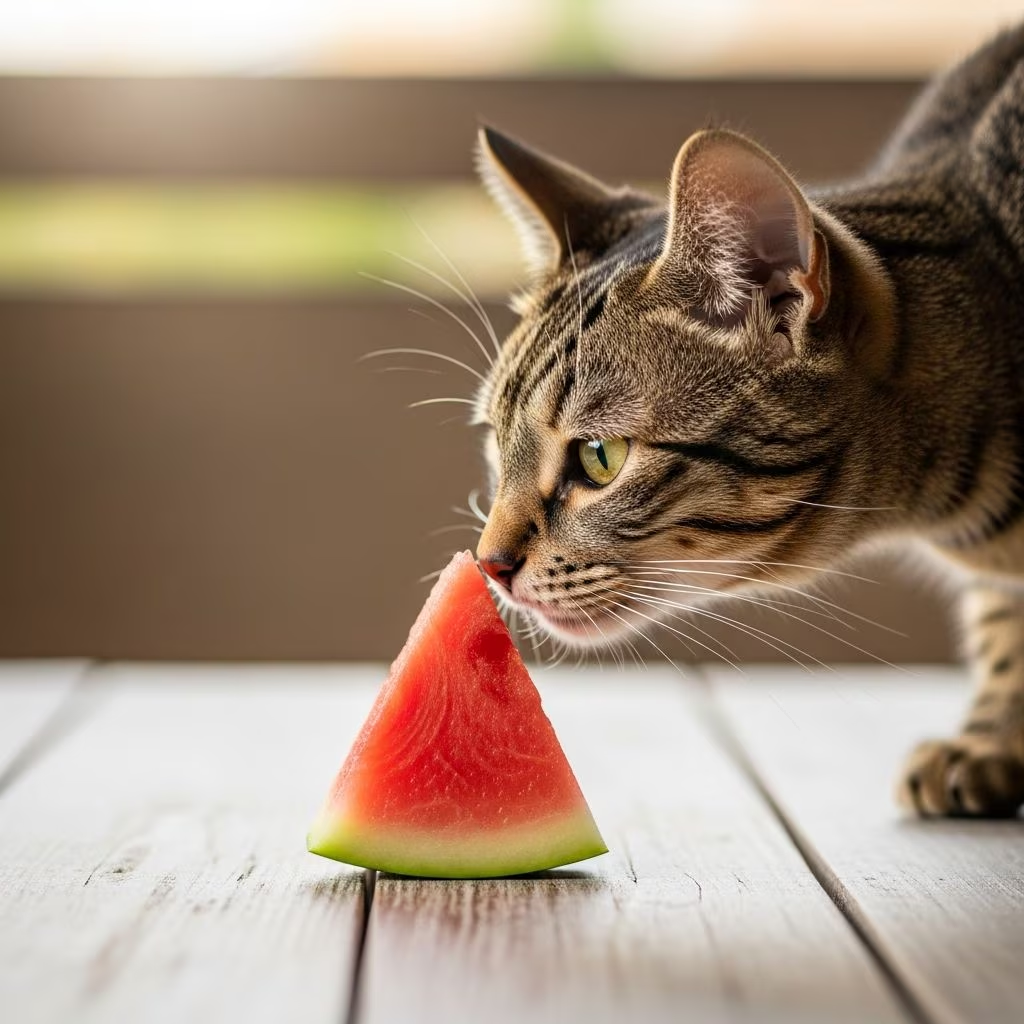
Can Cats Eat Watermelon? A Complete Guide for Pet Owners
During the hot summer months, a slice of watermelon always sounds refreshing and delicious. While humans enjoy this juicy fruit and can gain numerous nutritional benefits from it, many cat owners wonder whether their feline companions can safely indulge in this seasonal treat. The answer is yes—cats can eat small amounts of watermelon, but there are important guidelines and precautions pet owners should follow to ensure their cats remain healthy and safe.
Do Cats Actually Like Watermelon?
The question of whether cats like watermelon is highly individual. Some cats will enthusiastically nibble on watermelon when offered, finding the texture and taste appealing, while others may turn their nose up at something so different from their typical diet. Cats are obligate carnivores, meaning their natural diet consists primarily of meat, so their interest in fruits can vary widely from cat to cat.
For those cats that do show interest in watermelon, there are some beneficial nutrients to consider. Watermelon provides vitamin A, which supports vision and immune function, and lycopene, an antioxidant compound. Additionally, the high water content of watermelon can provide much-needed hydration during hot weather, which is particularly valuable for cats that don’t drink enough water throughout the day.
The Nutritional Benefits of Watermelon for Cats
While watermelon does contain some beneficial nutrients, it’s important to understand that the nutritional value for cats differs significantly from its value for humans. Cats benefit from the hydration provided by watermelon, and the fruit contains potassium and vitamin C, both of which play important roles in feline health.
However, because cats are obligate carnivores, their digestive systems are specifically designed to process animal protein rather than plant-based foods. This means the nutritional benefits they can derive from watermelon are relatively minimal compared to a balanced, species-appropriate diet. Watermelon should never be considered a primary source of nutrition or a replacement for complete and balanced cat food.
Health Concerns and Safety Considerations
While watermelon is generally safe for healthy cats when offered in moderation, there are several important health considerations to keep in mind before sharing this treat with your feline friend.
Sugar Content and Digestive Issues
One of the primary concerns with feeding watermelon to cats is its sugar content. A quarter cup of diced watermelon contains approximately 12 calories and 2.36 grams of sugar. For a cat, these seemingly small numbers can have a significant impact on their health. Cats’ digestive systems are not designed to process sugar efficiently, and excessive amounts can lead to digestive upset, including vomiting or diarrhea.
The sugar content in watermelon makes it particularly problematic for cats with certain health conditions. Cats that have diabetes or are obese should not be offered watermelon as a treat, as the high sugar content could upset diabetic control and potentially contribute to worsening obesity. Additionally, some cats may have individual sensitivities to carbohydrates and sugars, which means even a small amount of watermelon could cause digestive problems.
Prescription Diet Restrictions
If your cat is on a prescription diet prescribed by your veterinarian, it is essential to avoid giving them watermelon or any other people foods. Prescription diets are carefully formulated to address specific health conditions, and introducing outside foods can interfere with the therapeutic benefits of the diet.
Safe Watermelon Parts vs. Dangerous Parts
Not all parts of a watermelon are safe for cats to consume. Understanding which parts are appropriate and which should be avoided is crucial for your cat’s safety.
Safe: Watermelon Flesh
Cats can safely eat only the flesh of the watermelon, known as the mesocarp. This is the juicy, pink or red part that humans typically consume. When offering watermelon to your cat, you should isolate this portion and remove everything else.
Dangerous: Watermelon Seeds
Watermelon seeds should never be given to cats. These seeds contain trace amounts of cyanide, with studies showing approximately 0.79mg±0.01 cyanide per 100 grams of watermelon seeds. While roasted watermelon seeds are a popular human snack, raw seeds can pose multiple risks to cats:
- They contain cyanide, which can be toxic in significant amounts
- They can cause gastrointestinal distress and stomach upset
- They present a choking hazard, particularly for smaller cats
If your cat manages to eat a seed or two, monitor them closely for signs of stomach upset. However, the amount of cyanide in one or two seeds is unlikely to cause serious toxicity in most cats.
Dangerous: Watermelon Rind
The rind of the watermelon—the hard, green outer skin—should never be offered to cats. The rind is difficult for cats to digest and can cause several problems:
- It can create intestinal blockage, which may require veterinary intervention
- It poses a choking hazard
- It can cause stomach aches and digestive discomfort
Even the portion of the rind that has a texture closer to the flesh should be avoided, as it remains difficult to digest.
How Much Watermelon Can Cats Eat?
Determining the appropriate portion size for your cat depends on several individual factors, including age, breed, weight, overall health status, and specific dietary needs. The general rule to follow is moderation.
Recommended Serving Size
For most healthy adult cats, the appropriate serving size of watermelon is very small—approximately the size of a pair of dice or as much as they can eat in a bite or two. A single one-inch square cut into bite-sized pieces is more than enough for one serving. This conservative approach ensures your cat receives minimal sugar and calories while still experiencing the treat.
Caloric Considerations
Understanding your cat’s daily caloric needs is important when incorporating treats into their diet. For reference, a healthy, 10-pound neutered adult cat should consume approximately 262 calories per day. Of these daily calories, treats—including watermelon, table scraps, and commercial cat treats—should constitute no more than 10% of their total daily caloric intake, leaving 90% for complete and balanced cat food.
Using this calculation, a healthy 10-pound cat could have approximately 26 calories from treats daily. However, this doesn’t mean you should offer a full serving of watermelon daily. Instead, watermelon should be given only occasionally, as a special treat during warm weather, rather than as a regular part of your cat’s diet.
Frequency of Offering
Watermelon should not be something your cat eats every day. Due to the sugar content and lack of nutritional necessity for cats, it should be reserved for occasional offerings. Some pet owners choose to offer small pieces of watermelon only during summer months or special occasions when watermelon is readily available.
Making Watermelon Last Longer
If your cat enjoys watermelon, you can extend their enjoyment by offering frozen watermelon pieces. Frozen watermelon can serve as a cooling treat during hot weather while potentially lasting longer as your cat takes time to lick and nibble on it, reducing the total amount consumed in one sitting.
How to Safely Feed Watermelon to Your Cat
If you’ve determined that watermelon is appropriate for your cat and you have received approval from your veterinarian, follow these steps to ensure safe preparation and serving:
- Wash the watermelon thoroughly under running water to remove any dirt or pesticides from the exterior
- Cut the watermelon in half and remove all seeds completely. Don’t assume you’ve found all seeds—carefully inspect the flesh
- Remove the entire rind by cutting away the hard green outer skin
- Cut the flesh into small, bite-sized pieces appropriate for your cat’s size
- Offer only one or two small pieces at a time
- Monitor your cat after consumption for any signs of digestive upset
- Store leftover watermelon in the refrigerator and use within a few days
Remember that watermelon should only be regarded as a sensory treat—something your cat might enjoy experiencing—rather than a nutrient source. If you make watermelon a regular treat, factor these calories into your cat’s daily intake to prevent overfeeding.
Can Kittens Eat Watermelon?
As with adult cats, watermelon is mostly safe for healthy kittens but offers minimal nutritional benefit. However, kittens require a carefully balanced diet to support their growth and development, and their digestive systems are more delicate than those of adult cats.
While watermelon contains beneficial hydration and vitamins like vitamin C and potassium, the benefits are minimal for kittens compared to their specialized nutritional requirements. The sugar content of watermelon is particularly concerning for developing kittens, as it can disrupt their digestive systems more easily than it would in adult cats.
Kittens would benefit far more from sticking exclusively to kitten food formulated to meet their specific developmental needs. If you’re considering offering watermelon to a kitten, consult with your veterinarian first, as individual kittens may have varying tolerances and needs.
When to Avoid Watermelon Entirely
Certain cats should not be offered watermelon under any circumstances, regardless of portion size:
- Cats with diabetes: The sugar content poses a direct risk to blood sugar management
- Obese cats: The extra calories can contribute to weight gain
- Cats on prescription diets: Any food outside their prescribed diet can interfere with therapeutic benefits
- Cats with sensitive digestive systems: Some cats cannot tolerate even small amounts of fruit
- Senior cats with dental problems: Watermelon may be difficult to chew and swallow
- Cats with a history of gastrointestinal issues: Previous digestive problems make them higher risk
What If Your Cat Ate Watermelon Without Your Knowledge?
If your cat consumed watermelon without your immediate knowledge or supervision, don’t panic. If your cat ate watermelon a few times without you knowing, it’s most likely okay, especially if they appear to be acting normally. Most healthy cats can tolerate small accidental exposures to watermelon without serious consequences.
However, you should monitor your cat closely for any signs of illness or digestive upset, including vomiting, diarrhea, lethargy, loss of appetite, or abdominal discomfort. If you notice any of these symptoms or if your cat appears unwell in any way, contact your veterinarian promptly. Additionally, make sure to inform your veterinarian during your next visit about all people foods you’re offering your cat, including amounts and frequency.
The Importance of Veterinary Consultation
Before introducing any new foods to your cat’s diet, including watermelon, it is essential to consult with your veterinarian. Your vet can assess your individual cat’s health status, age, weight, dietary needs, and any existing health conditions to determine whether watermelon is appropriate for your specific feline companion.
What might be safe and appropriate for one cat could be problematic for another cat depending on their unique circumstances. Your veterinarian can provide personalized guidance on appropriate portion sizes, frequency of offerings, and whether watermelon fits into your cat’s overall nutritional plan.
Frequently Asked Questions About Cats and Watermelon
Q: Is watermelon toxic to cats?
A: Watermelon flesh itself is not toxic to cats in small amounts. However, watermelon seeds contain trace amounts of cyanide and can be a choking hazard, so seeds should be completely removed. The rind is difficult to digest and should also be avoided.
Q: Can cats eat watermelon every day?
A: No, watermelon should not be offered to cats daily. Due to its sugar content and lack of nutritional necessity for cats, it should be reserved for occasional treats only, not daily consumption.
Q: How do I know if my cat has eaten too much watermelon?
A: Signs of eating too much watermelon include vomiting, diarrhea, abdominal discomfort, and lethargy. If your cat shows any of these symptoms, contact your veterinarian.
Q: Are there other fruits that are safer for cats than watermelon?
A: Yes, other cat-safe fruits in moderation include blueberries, strawberries, bananas, cantaloupe, and pears. Always offer fruits sparingly and with veterinary approval.
Q: Can watermelon help with cat hydration?
A: While watermelon has high water content and could provide some hydration, it’s not a reliable hydration method for cats. Ensure your cat has constant access to fresh, clean water instead.
Q: What should I do if my cat has diabetes and wants watermelon?
A: If your cat has diabetes, do not offer watermelon due to its sugar content. Instead, discuss appropriate treat options with your veterinarian.
References
- Can Cats Eat Watermelon? A Guide to Safety — Purina US. https://www.purina.com/articles/cat/feeding/can-cats-eat/watermelon
- Can Cats Eat Watermelon? – PetMD — PetMD. https://www.petmd.com/cat/nutrition/can-cats-eat-watermelon
- 16 Fruits & Vegetables That Cats Can Eat: Vet-Reviewed Facts & Tips — Catster. https://www.catster.com/nutrition/fruits-and-vegetables-cats-can-eat/
- What Can Cats Eat Besides Cat Food? Vet-Verified Nutrition Guide — Catster. https://www.catster.com/nutrition/what-can-cats-eat-besides-cat-food/



