

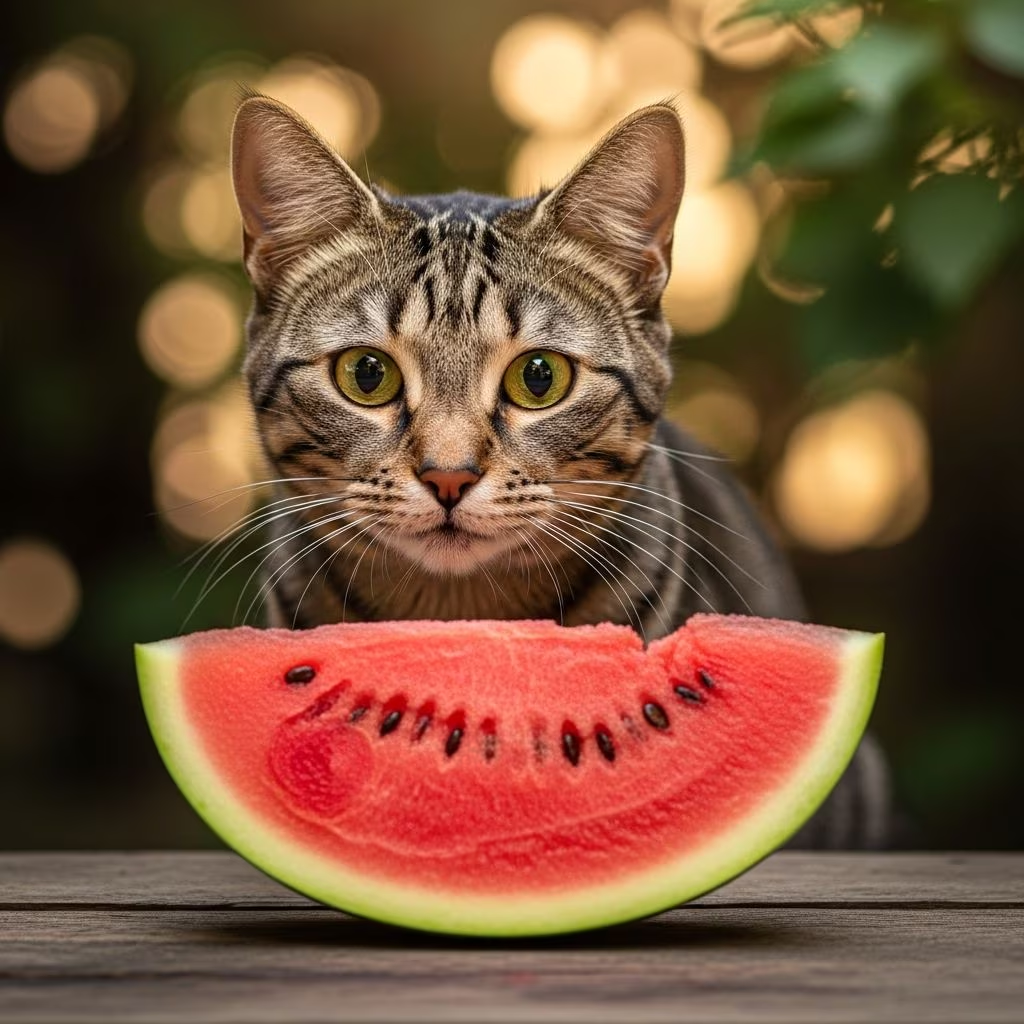
Watermelon can be a safe, occasional treat for cats when prepared properly, offering hydration and minor nutrients without toxicity risks for healthy felines. Cats are obligate carnivores, so fruits like watermelon should never replace their protein-rich diet but can serve as a refreshing snack in small amounts.
Is Watermelon Safe for Cats?
Plain, seedless watermelon flesh is generally safe for most healthy cats in moderation, primarily due to its high water content—about 92%—which provides hydration, especially useful in hot weather. It contains vitamins A, B6, and C, as well as potassium, which support overall health but offer no unique benefits cats can’t get from balanced commercial food. Unlike toxic fruits, watermelon poses no inherent poison risk to the flesh itself.
However, safety depends on preparation: always remove seeds and rind, as these parts introduce hazards. Veterinary experts emphasize that while not nutritionally essential, small portions won’t harm most cats and may even entice picky eaters. For cats with conditions like diabetes or obesity, avoid it entirely due to natural sugars.
Nutritional Benefits of Watermelon for Cats
Watermelon’s appeal lies in its hydrating properties and trace nutrients, making it a low-calorie treat option. Key benefits include:
- Hydration boost: With over 90% water, it helps prevent dehydration during summer or for cats with low water intake from kibble.
- Vitamin C and A: Supports immune function and vision, though cats produce vitamin C internally and get ample A from meat.
- Potassium: Aids muscle function and heart health in small doses.
- Low calories: Roughly 30 calories per cup, fitting the 10% treat rule without contributing to weight gain.
These perks are minor compared to a cat’s need for taurine and animal proteins, so view watermelon as a fun supplement, not a staple. Studies on feline nutrition confirm fruits provide negligible protein, underscoring moderation.
Risks of Feeding Watermelon to Cats
Despite its safety profile, watermelon carries risks if mishandled. Common concerns include:
- High sugar content: Fructose can upset digestion, lead to diarrhea, or exacerbate diabetes/obesity in prone cats.
- Choking and blockages: Seeds and rind are hard to digest, posing obstruction risks.
- Cyanide in seeds: Trace amounts can cause vomiting, lethargy, or worse if ingested.
- Digestive upset: Sensitive stomachs may react with loose stools; introduce slowly.
Overfeeding violates the 10% calorie rule from treats, potentially causing nutritional imbalances or feline obesity. Always monitor for adverse reactions and consult a vet.
Can Cats Eat Watermelon Seeds?
No, cats should never eat watermelon seeds. They present multiple dangers: choking hazards, potential intestinal blockages, and cyanide content toxic to felines even in small quantities. “Seedless” varieties may have soft white seeds, which are safer but still best removed to err on caution, per vet advice. Swallowing seeds releases cyanide during digestion, leading to symptoms like rapid breathing, dilated pupils, or gastrointestinal distress. Always inspect and discard all seeds before offering flesh.
Can Cats Eat Watermelon Rind?
Watermelon rind is unsafe for cats. Its tough, fibrous texture resists digestion, risking choking, blockages, or stomach pain. Even the inner white layer near the flesh can cause issues, as cats gulp food without thorough chewing. Rind lacks nutritional value and may ferment in the gut, worsening diarrhea. Remove it completely—stick to pink/red flesh only.
How to Safely Feed Watermelon to Cats
To minimize risks, follow these vet-recommended steps for safe watermelon treats:
- Select ripe, fresh watermelon: Organic preferred to avoid pesticides.
- Remove rind and seeds thoroughly: Cut away green/white outer layers and pick out every black seed.
- Cut into tiny pieces: 1-inch cubes or smaller, bite-sized for easy swallowing.
- Portion control: Limit to 1-2 small pieces weekly, under 10% daily calories (use calorie calculators).
- Fresh only: Avoid canned or processed versions with added sugars/syrups.
- Introduce gradually: Start with a pea-sized amount to test tolerance.
- Store properly: Refrigerate cut pieces; discard after 2 days.
Wash the fruit first and serve at room temperature for appeal. If your cat ignores it, don’t force—many prefer meaty treats.
How Much Watermelon Can Cats Eat?
Moderation is crucial: a single 1-inch square piece, diced small, suffices per serving for an average adult cat (about 10 lbs). Follow the 10% rule—treats max 10% of daily intake (e.g., 20-30 calories for a 200-calorie diet). Overdoing it risks sugar spikes or tummy woes. Kittens need even less; weigh against their growth-focused diet. Adjust for size/activity: larger cats up to two pieces, but consult your vet for personalized limits.
| Cat Weight | Max Weekly Pieces (1-inch) | Calories per Piece (approx.) |
|---|---|---|
| 5-8 lbs | 1-2 | 5-10 |
| 9-12 lbs | 2-3 | 10-15 |
| 13+ lbs | 3 max (vet monitor) | 15+ |
This table provides general guidance; individual needs vary.
Can Kittens Eat Watermelon?
Kittens can have tiny amounts of seedless watermelon flesh occasionally, but it’s not recommended as a regular treat. Their delicate digestive systems and high protein/calorie needs for growth make fruits risky—sugar can cause rapid upset. Limit to pea-sized pieces post-weaning, only if tolerated, and prioritize kitten formula/food. Puppies aren’t advised for similar reasons; consult a vet for young pets.
What Happens If Cats Eat Watermelon Seeds or Rind?
Ingesting seeds or rind can trigger immediate issues: choking, vomiting, diarrhea, or blockages requiring surgery in severe cases. Cyanide from seeds may cause lethargy, breathing difficulties, or appetite loss within hours. Monitor closely; mild symptoms often resolve, but persistent ones (e.g., no stool for 48 hours) demand emergency vet care. Prevention beats cure—always prep meticulously.
Frequently Asked Questions (FAQs)
Is watermelon toxic to cats?
No, the flesh isn’t toxic, but seeds and rind are hazardous.
Why do cats like watermelon?
Its cool, moist texture mimics prey moisture; they lack sweet taste buds but enjoy hydration.
Can diabetic cats have watermelon?
No, high sugar risks blood glucose spikes.
How often can I give my cat watermelon?
Once or twice weekly, small amounts max.
What if my cat ate watermelon rind?
Watch for vomiting/blockage; see vet if symptoms appear.
Conclusion
Watermelon can delight cats as a hydrating treat when seedless, rind-free, and minimal, but prioritize their carnivorous diet. Responsible feeding enhances bonding without health trade-offs. Always vet-check for your cat’s specifics.
References
- Can Cats Eat Watermelons? Safety, Health Benefits & Feeding Tips — Noble Vet Clinic. 2023-06-15. https://noblevetclinic.com/blog/can-cats-eat-watermelons
- Can Cats Eat Watermelon? Everything You Need to Know — Chewy. 2024-05-20. https://www.chewy.com/education/cat/food-and-nutrition/can-cats-eat-watermelon
- Can Cats Eat Watermelon? — Bottletree Animal Hospital. 2023-08-10. https://bottletreeanimalhospital.com/blog/can-cats-eat-watermelon/
- Can Cats Eat Watermelon? A Guide to Safety — Purina US. 2024-03-12. https://www.purina.com/articles/cat/feeding/can-cats-eat/watermelon
- Can Cats Eat Watermelon? — PetMD. 2024-07-08. https://www.petmd.com/cat/nutrition/can-cats-eat-watermelon
- Can Cats Eat Watermelon? — Pumpkin Pet Insurance. 2023-11-28. https://www.pumpkin.care/post/can-cats-eat-watermelon
- Can Cats Eat Watermelon? A Comprehensive Guide — Birdsbesafe. 2024-01-05. https://www.birdsbesafe.com/blogs/news/can-cats-eat-watermelon



