

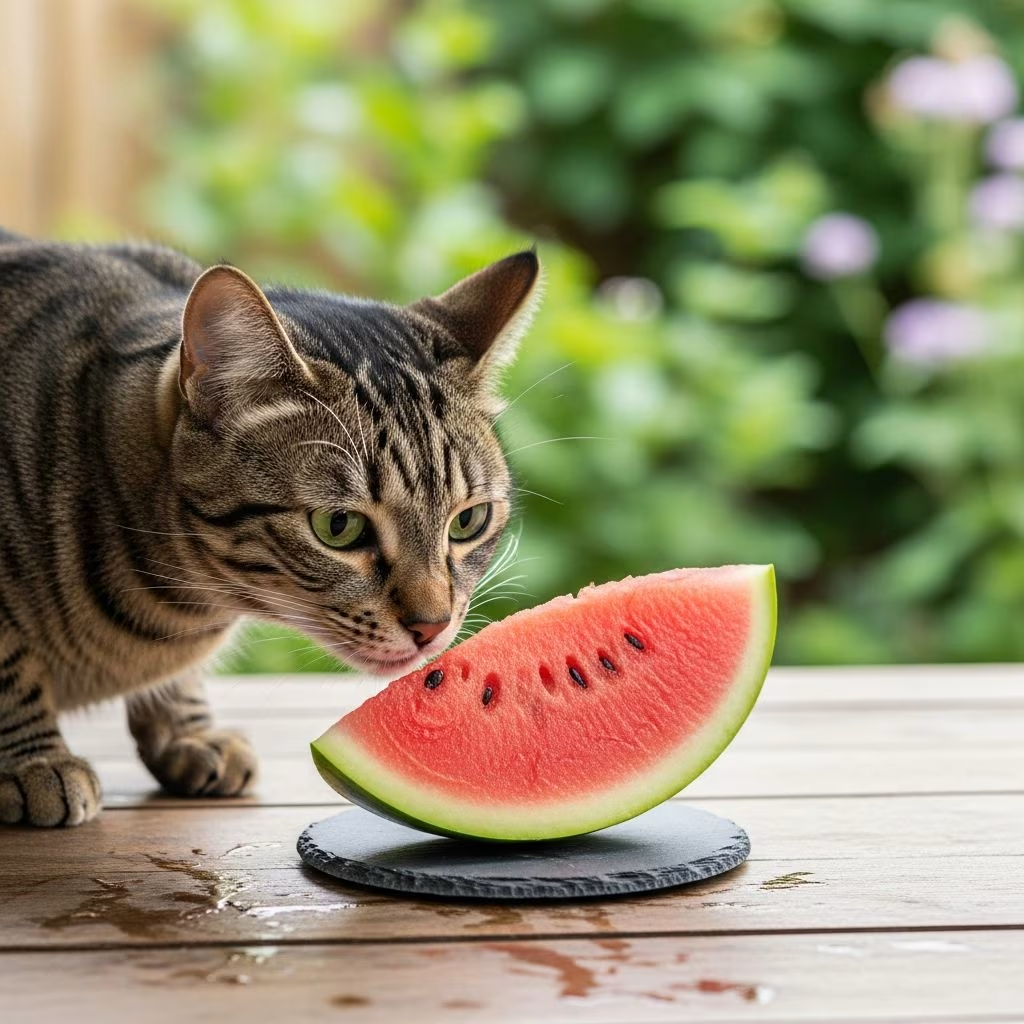
Watermelon is a refreshing summer fruit enjoyed by many humans, but can cats eat watermelon too? The good news is that the flesh of watermelon is non-toxic to cats and can be offered as an occasional treat in small amounts. However, as obligate carnivores, cats derive most of their nutrition from meat-based foods, so fruits like watermelon should only make up a tiny portion of their diet. This article explores the safety, benefits, risks, and proper ways to feed watermelon to your cat, ensuring you make informed choices for your feline companion’s health.
Is Watermelon Safe for Cats?
Yes, cats can eat watermelon flesh safely when prepared correctly—seedless and rind-free, cut into small bite-sized pieces. Veterinary sources confirm that watermelon is not toxic to felines, providing hydration due to its 92% water content, which is particularly useful in hot weather. However, it’s not a staple food; treats should never exceed 10% of a cat’s daily caloric intake to avoid nutritional imbalances. Healthy adult cats tolerate small portions well, but those with diabetes, obesity, or sensitive stomachs should avoid it due to its sugar and carbohydrate content.
Cats’ digestive systems are adapted for protein and fat from animal sources, not plant-based sugars or fibers found in fruits. While a tiny piece won’t harm most cats, overfeeding can lead to issues like diarrhea or weight gain. Always introduce new foods gradually and monitor for adverse reactions such as vomiting, lethargy, or changes in appetite. Consult your veterinarian before offering watermelon, especially for kittens, seniors, or cats with health conditions.
Nutritional Benefits of Watermelon for Cats
Watermelon offers some nutritional perks for cats when given sparingly, though these are supplementary rather than essential since cats produce certain nutrients internally and prioritize animal proteins. Here’s a breakdown of key nutrients:
- Vitamins: Rich in vitamins A, B1 (thiamine), B5 (pantothenic acid), B6, and C. Vitamin A supports vision and immune function; B vitamins aid energy metabolism; vitamin C acts as an antioxidant, though cats synthesize it themselves.
- Minerals: High in potassium, which supports heart health, muscle function, kidney performance, and fluid balance. Magnesium contributes to nerve function and bone health.
- Hydration: With about 92% water, it helps with hydration, especially beneficial for cats that drink little water naturally.
- Fiber: Provides soluble fiber for digestion, potentially preventing constipation and supporting gut bacteria, but excess can cause upset.
- Low Calories: Approximately 1 calorie per teaspoon or 46 calories per cup, making it a light treat option under the 10% rule.
Despite these benefits, watermelon isn’t a superfood for cats like it is for humans. Cats absorb fewer plant nutrients efficiently due to their carnivorous biology. Use it as a fun, hydrating snack rather than a health booster.
Risks and Dangers of Watermelon for Cats
While the flesh is safe in moderation, certain parts of watermelon pose serious risks. Understanding these helps prevent accidents:
- Seeds: Watermelon seeds are a choking hazard and contain cyanide, a toxin that can cause vomiting, loss of appetite, diarrhea, constipation, or even poisoning in cats. Even ‘seedless’ varieties may have small white seeds; remove them all.
- Rind: Tough and fibrous, the rind is indigestible for cats, leading to choking, intestinal blockages, or GI distress. Cats often swallow food whole, exacerbating the risk.
- Sugar Content: Natural sugars (fructose) can upset digestion, cause diarrhea, or contribute to obesity/diabetes if overfed. Cats with these conditions should avoid it entirely.
- Digestive Upset: High water and fiber may cause loose stools or stomach issues in sensitive cats. Introduce slowly.
| Risk Factor | Potential Issues | Prevention |
|————-|—————-|————|
| Seeds | Choking, cyanide toxicity | Remove all seeds before serving |
| Rind | Blockages, choking | Cut away completely |
| Sugar | Diabetes risk, diarrhea | Limit to 10% of calories, avoid for at-risk cats |
| Fiber/Water | Upset stomach | Small portions only |
Other concerns include pesticides on unwashed fruit—always rinse thoroughly.
How to Safely Feed Watermelon to Your Cat
To minimize risks, follow these steps for safe feeding:
- Prepare Properly: Wash the watermelon. Cut away rind and seeds. Dice flesh into tiny, 1-inch or smaller pieces to prevent choking.
- Portion Control: Offer 1-2 small pieces (about 1 teaspoon) once or twice a week. Calculate based on your cat’s daily needs using tools like the Pet Nutrition Alliance calculator.
- Introduce Gradually: Start with a minuscule amount and observe for 24-48 hours for reactions like vomiting or diarrhea.
- Storage: Refrigerate cut pieces and discard after 2 days to avoid spoilage.
- Frequency: Occasional treat only—not daily. Balance with a complete cat food diet.
For visual learners:
- Fresh, ripe watermelon (avoid overripe).
- No canned or processed versions with added sugar.
- Frozen cubes as a cool treat in summer, but thaw slightly.
Can Kittens Eat Watermelon?
Kittens should not eat watermelon. Their developing digestive systems can’t handle the sugar, fiber, or water content, risking diarrhea or nutritional deficiencies. Focus on kitten-specific formula or wet food rich in protein until at least 1 year old. If offering any treat, wait until adulthood and consult a vet.
Alternatives to Watermelon for Cats
Prefer cat-safe treats that align better with feline nutrition:
- Commercial cat treats (low-cal, meat-based).
- Cooked plain meats like chicken or fish (no seasoning).
- Catnip or silver vine for fun.
- Other fruits: Small amounts of blueberries, pumpkin (plain, cooked), or cantaloupe (seedless).
Always prioritize vet-approved options.
Frequently Asked Questions (FAQs)
Can cats eat watermelon seeds?
No, watermelon seeds pose a choking risk and contain cyanide, which is toxic to cats. Always remove them.
Is watermelon rind safe for cats?
No, the rind is tough, indigestible, and can cause blockages or choking. Discard it entirely.
How much watermelon can I give my cat?
A small 1-inch cube or 1 teaspoon max, occasionally, not exceeding 10% of daily calories.
Can diabetic cats eat watermelon?
No, due to high sugar content that can worsen blood sugar control.
Why do cats like watermelon?
The cool, juicy texture and mild sweetness appeal to their curiosity, plus hydration.
References
- Can Cats Eat Watermelon? Everything You Need to Know — Chewy. 2023-06-15. https://www.chewy.com/education/cat/food-and-nutrition/can-cats-eat-watermelon
- Can Cats Eat Watermelons? Safety, Health Benefits & Feeding Tips — Noble Vet Clinic. 2024-02-10. https://noblevetclinic.com/blog/can-cats-eat-watermelons
- Can Cats Eat Watermelon? — Pumpkin Pet Insurance. 2023-11-20. https://www.pumpkin.care/post/can-cats-eat-watermelon
- Can Cats Eat Watermelon? Here’s Everything You Need to Know — Pawlicy Advisor. 2024-01-05. https://www.pawlicy.com/blog/can-cats-eat-watermelon/
- Can Cats Eat Watermelon? — PetMD. 2023-07-12. https://www.petmd.com/cat/nutrition/can-cats-eat-watermelon
- Can Cats Eat Watermelon? A Comprehensive Guide — Birdsbesafe. 2024-03-18. https://www.birdsbesafe.com/blogs/news/can-cats-eat-watermelon



