

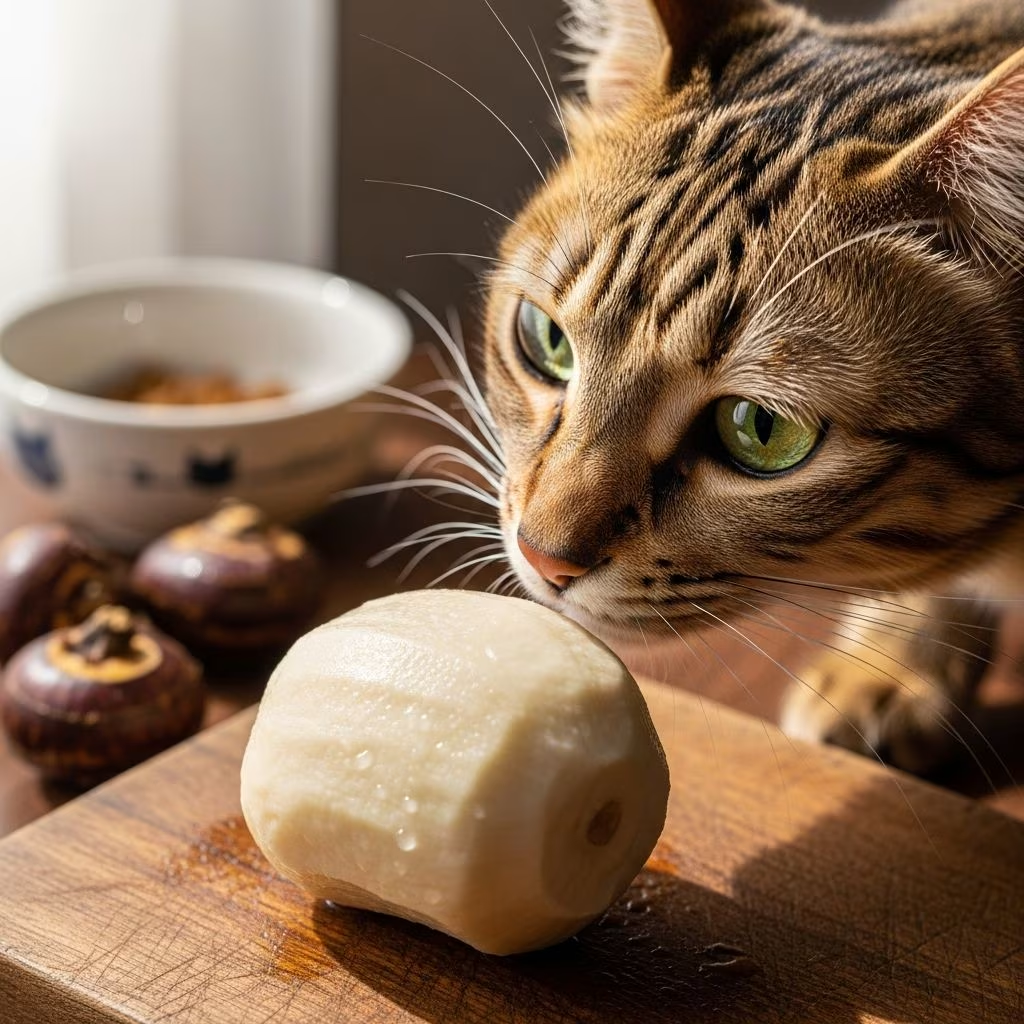
Water chestnuts are **safe for cats to eat in moderation**, offering a low-fat, crunchy treat rich in antioxidants, potassium, vitamin B6, riboflavin, manganese, and copper. Despite their name, these aquatic vegetables are not nuts but corms, prized for their satisfying crunch and hydrating qualities that appeal to many felines.
As obligate carnivores, cats thrive on protein-rich diets, so plant-based snacks like water chestnuts should complement, not replace, their balanced cat food. Overfeeding can lead to digestive issues due to high carbohydrate (23%) and fiber content. This comprehensive guide covers everything cat owners need to know, from nutritional benefits and risks to safe preparation methods and common confusions with true chestnuts.
Are Water Chestnuts Healthy for Cats?
In small amounts, water chestnuts provide **nutritional perks** for cats, including being completely fat-free and low-calorie, making them a guilt-free occasional snack. Their high water content (72%) aids hydration, while antioxidants combat oxidative stress, and potassium supports heart and muscle function.
Key nutrients per serving include:
- Potassium: Essential for nerve function and blood pressure regulation.
- Vitamin B6 (pyridoxine): Aids metabolism and red blood cell production.
- Riboflavin and manganese: Support energy production and bone health.
- Copper: Contributes to iron absorption and connective tissue formation.
However, **moderation is crucial**. Water chestnuts are high in carbs (23% of composition) and fiber, which can overwhelm a cat’s short digestive tract designed for meat. Excess intake may cause stomach upset, diarrhea, gas, or vomiting, especially in sensitive cats. Limit to 1-2 small corms (slices) per day for an average adult cat, adjusting for size and activity level.
| Nutrient | Benefit for Cats | % Daily Value (approx. per 100g) |
|---|---|---|
| Water | Hydration | 72% |
| Carbohydrates | Quick energy (use sparingly) | 23% |
| Fiber | Digestion aid (in excess: upset) | 8% DV |
| Potassium | Heart/muscle support | Significant source |
| Vitamin B6 | Metabolism | 4% DV |
Fresh water chestnuts are preferable over canned, as the latter often contain excess sodium that can harm cats’ kidneys and lead to hypertension. Cats can enjoy them raw or cooked plain—boiled, steamed, or stir-fried without seasonings like garlic, onions, salt, or oils, which are toxic. Always wash thoroughly and peel to remove any dirt.
How to Safely Feed Water Chestnuts to Cats
To minimize risks, follow these **feeding guidelines**:
- Portion control: Start with a tiny piece (1/4 corm) to test tolerance. No more than 10% of daily calories from treats.
- Preparation: Peel, slice into small, manageable pieces to prevent choking. Raw offers crunch; cooked is softer for dental ease.
- Frequency: 1-2 times weekly, not daily, to avoid carb overload.
- Monitor reactions: Watch for vomiting, diarrhea, lethargy, or bloating. Discontinue if issues arise and consult a vet.
For kittens, seniors, or cats with health conditions (e.g., diabetes, obesity, IBD), avoid entirely due to sensitive digestion and carb sensitivity. Introduce gradually to adults, mixing with preferred proteins like chicken for appeal.
What About Chestnuts? (The Real Nuts)
Don’t confuse **water chestnuts** with true **chestnuts**—the woody nuts roasted in winter. Water chestnuts are aquatic corms; chestnuts are tree nuts from the Castanea genus.
Cats can eat cooked chestnuts sparingly (one small piece max), as they are non-toxic and lower in fat than other nuts. They provide magnesium and potassium for heart health but are high in carbs (25g per 100g), offering little protein value for carnivores. Risks include digestive upset, choking on shells/skins, and obesity from calories. Raw or moldy chestnuts are dangerous due to potential toxins like juglone.
Comparison Table: Water Chestnuts vs. Chestnuts for Cats
| Aspect | Water Chestnuts | Chestnuts |
|---|---|---|
| Safety | Safe in moderation | Safe cooked, tiny amounts |
| Carbs/Fat | High carbs, fat-free | High carbs, low fat |
| Benefits | Hydration, antioxidants | Magnesium, potassium |
| Risks | Fiber upset, choking | Digestion issues, shells |
Stick to meat-based treats for optimal nutrition.
Risks and Side Effects of Water Chestnuts for Cats
While non-toxic, **potential downsides** include:
- Digestive upset: High fiber ferments in the gut, causing gas, diarrhea, or constipation.
- Choking hazard: Firm texture risks airway blockage if not sliced.
- Nutrient imbalance: Displaces protein needs, leading to deficiencies long-term.
- Allergies: Rare, but watch for itching, swelling, or hives.
- Canned varieties: Sodium overload strains kidneys.
Symptoms warrant vet attention: persistent vomiting, bloody stool, dehydration, or distress. Cats with pancreatitis, renal issues, or obesity should skip them.
Alternatives: Better Treats for Cats
Opt for **cat-appropriate snacks** higher in protein and moisture:
- Commercial cat treats (freeze-dried meat).
- Plain cooked meats: chicken, turkey, fish (no bones/skin).
- Cat-safe veggies: pumpkin (fiber), cucumber (hydration).
- Hydrating options: tuna water (in moderation).
A balanced commercial diet meets 100% needs; treats enhance bonding without health risks.
Frequently Asked Questions (FAQs)
Q: Can cats eat raw water chestnuts?
A: Yes, but slice thinly to avoid choking. Raw provides crunch but may be harder to digest than cooked.
Q: Are canned water chestnuts safe for cats?
A: No, due to high sodium and preservatives. Choose fresh or low-sodium rinsed options sparingly.
Q: What if my cat eats too many water chestnuts?
A: Monitor for vomiting, diarrhea, or lethargy. Offer water; contact vet if symptoms last over 24 hours.
Q: Can kittens eat water chestnuts?
A: Avoid; their developing digestion can’t handle high fiber/carbs.
Q: Are chestnuts toxic to cats?
A: No, if cooked and plain, but limit to one small piece due to carbs.
Q: How many water chestnuts can I give my cat daily?
A: 1-2 small slices max, 1-2 times weekly.
Water chestnuts add variety as an occasional treat but prioritize protein-rich foods for your cat’s health. Consult your vet for personalized advice.
References
- Can Cats Eat Water Chestnuts? Vet-Approved Nutrition Facts & FAQ — Catster. 2023. https://www.catster.com/nutrition/can-cats-eat-water-chestnuts/
- Nuts and Seeds for Cats: Benefits, Risks, and Considerations — Petcube. 2023. https://petcube.com/blog/can-cats-eat-nuts-and-seeds/
- Can Cats Eat Water Chestnuts? Is It Safe for Cats? — Dial A Vet. 2023. https://www.dialavet.com/blog/can-cats-eat-water-chestnuts
- Water Chestnuts Nutrition & Calories – Complete data of all nutrients — FoodStruct. 2023. https://foodstruct.com/food/water-chestnuts
- Can Cats Eat Chestnuts? Vet-Verified Facts — Huston Veterinary. 2023. https://hustonveterinary.com/can-cats-eat-chestnuts/



