

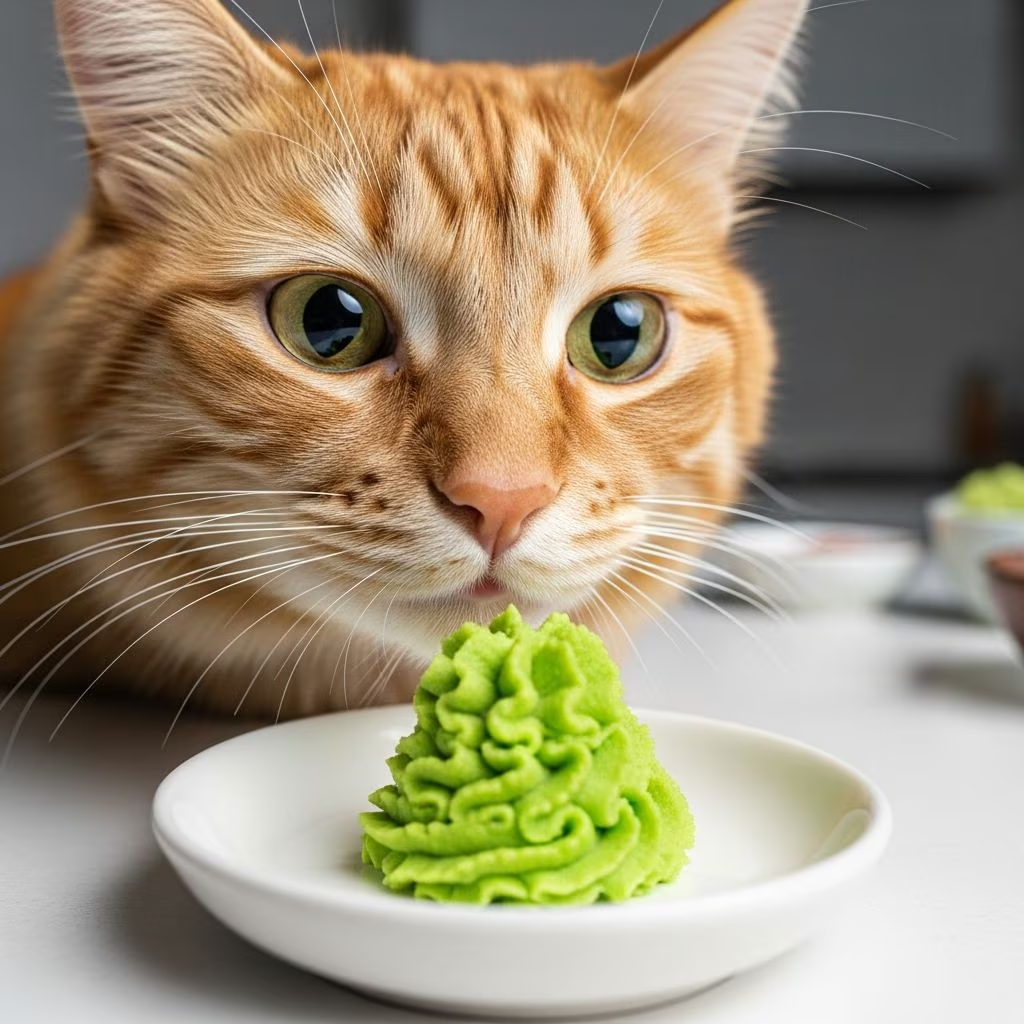
Wasabi, the fiery green condiment popular in sushi, sparks curiosity among cat owners wondering if it’s safe to share with their feline companions. While real wasabi from the Wasabia japonica plant is not considered toxic to cats, most commercial versions are imitation wasabi made with horseradish, mustard, and artificial additives that can irritate a cat’s sensitive digestive system. Cats are obligate carnivores with limited ability to process spicy or pungent foods, making wasabi generally unsafe and unadvisable. This comprehensive guide covers the differences between real and imitation wasabi, potential health effects, symptoms of ingestion, emergency steps, safe alternatives, and prevention strategies to keep your cat healthy.
Cats and Real vs. Imitation Wasabi
Understanding the distinction between real and imitation wasabi is crucial for assessing feline safety. Real wasabi, derived from the rhizome of the Wasabia japonica plant in the Brassicaceae family, contains allyl isothiocyanate, which provides its signature heat. No veterinary research confirms toxicity in cats from pure real wasabi, and most cats reject its taste due to this pungent compound acting as a natural repellent. However, real wasabi offers no nutritional benefits for cats, who thrive on meat-based diets.
Imitation wasabi, comprising 95% of products sold, substitutes cheaper ingredients like horseradish root, mustard powder, green food coloring, and stabilizers. Horseradish, also in the Brassicaceae family, irritates the gastrointestinal tract, potentially causing inflammation. Mustard powder from ground seeds triggers severe gastroenteritis, while artificial additives risk allergic reactions. Sources agree imitation wasabi poses greater dangers than real versions.
| Aspect | Real Wasabi | Imitation Wasabi |
|---|---|---|
| Source | Wasabia japonica rhizome | Horseradish, mustard, dyes |
| Toxicity to Cats | Not reported; non-beneficial | Irritant; gastroenteritis risk |
| Key Compounds | Allyl isothiocyanate | Isothiocyanates, additives |
| Cat Appeal | Usually disliked | Disliked; more harmful |
How Much Wasabi Can My Cat Have?
Veterinarians do not recommend intentionally feeding cats any wasabi, real or imitation. A tiny accidental taste of real wasabi is unlikely to cause serious harm in adult cats, though it provides zero nutritional value and may deter further interest due to its repelling heat. Larger amounts or imitation varieties demand caution. Kittens, with immature digestive systems, face higher risks of irritation even from real wasabi—avoid entirely.
If a cat consumes imitation wasabi, monitor closely as even small quantities of horseradish or mustard can provoke symptoms. No safe “dosage” exists; prioritize cat-specific foods. Healthier treats abound, making wasabi unnecessary.
The Effects of Wasabi on Cats
Wasabi’s isothiocyanates irritate mucous membranes in a cat’s mouth, throat, and gut, leading to discomfort. Real wasabi causes mild upset at worst, but imitation versions exacerbate issues:
- Horseradish inflames the digestive tract, causing pain and spasms.
- Mustard powder induces gastroenteritis with vomiting and diarrhea.
- Additives like dyes or preservatives may spark allergies or toxicity.
Obligate carnivores lack enzymes for plant compounds, amplifying sensitivity. No benefits like antimicrobial properties (noted in humans) apply to cats. Debates exist on Brassicaceae plants like horseradish being outright poisonous due to sinigrin, a skin/eye irritant when broken down—we err on caution.
Signs Your Cat Has Eaten Wasabi
Prompt recognition of symptoms enables quick intervention. Common signs include:
- Excessive drooling or pawing at mouth: From spicy irritation.
- Vomiting and diarrhea: Gastroenteritis hallmark.
- Stomach pain: Hunching, vocalizing, or restlessness.
- Decreased appetite and lethargy: Systemic response.
- Dry heaving or foul breath: Mustard/horseradish indicators.
Severe cases show swelling, breathing issues (rare allergies), or persistent symptoms needing vet care. Sushi pairings like soy sauce add sodium risks, worsening outcomes.
What to Do If Your Cat Eats Wasabi
Act swiftly but calmly:
- Remove access: Confiscate wasabi, clean spills.
- Hydrate: Offer fresh water to flush irritants.
- Observe: Track symptoms for 24-48 hours.
- Vet contact: Call if vomiting persists >2x, diarrhea lasts, blood appears, or lethargy sets in. Provide wasabi type/details.
Do not induce vomiting without vet guidance. Most recover with monitoring; severe imitation ingestion may require fluids or anti-nausea meds.
Safe Alternatives to Wasabi for Cats
Skip wasabi; opt for feline-friendly treats:
- Commercial cat treats: Formulated for nutrition.
- Plain cooked chicken/turkey: Small, unseasoned pieces.
- Cooked fish (no raw): Tiny portions, boneless.
- Catnip or cat grass: For enrichment, digestion aid.
- Frozen broth cubes: Hydrating, meat-based.
Avoid spices, onions, garlic, or human foods. Consult vets for dietary needs.
Prevention Tips
Proactive steps safeguard cats:
- Secure condiments in high cabinets or fridge.
- Clean tables/spills instantly.
- No table feeding; train “leave it”.
- Educate household on toxic foods (wasabi, sushi extras).
- Supervise meals; use pet gates.
Store-bought wasabi paste risks highest exposure—treat as hazardous.
Frequently Asked Questions (FAQs)
Is wasabi toxic to cats?
Real wasabi is not reported toxic but irritating; imitation wasabi with horseradish/mustard causes digestive upset.
Do cats like wasabi?
Most reject it due to isothiocyanate repelling heat; rare curiosity leads to one-time tries.
Is imitation wasabi worse than real for cats?
Yes—horseradish and mustard provoke severe GI issues vs. milder real wasabi effects.
What if my kitten eats wasabi?
Avoid entirely; sensitive stomachs risk severe irritation. Monitor and vet immediately.
Can wasabi benefit cats?
No; no nutritional value for carnivores. Human antimicrobial perks don’t translate.
Is horseradish safe for cats?
No—irritates gut; large amounts cause severe issues or death.
What about wasabi in sushi for cats?
Unsafe: Raw fish parasites, soy sodium, wasabi spice compound risks.
In summary, while a lick of real wasabi rarely harms, keep all wasabi from cats. Focus on vet-approved diets for thriving felines. Curiosity killed the cat’s dinner—choose safety.
References
- Can Cats Eat Wasabi? A Complete Guide to Wasabi Safety for Felines — PetsCare. 2024. https://www.petscare.com/news/post/can-cats-eat-wasabi
- Can Cats Eat Wasabi? Nutrition Facts & Safety Guide — Hepper. 2024. https://articles.hepper.com/can-cats-eat-wasabi/
- Can Cats Eat Wasabi? A Guide for Cat Owners — CyloSpark. 2025-02-18. http://cylospark.liveblog365.com/2025/02/18/can-cats-eat-wasabi-a-guide-for-cat-owners/
- Can Cats Have Sushi? Safety & Risks Explained — Zoorithm. 2024. https://www.zoorithm.com/cats/can-cats-have-sushi
- Can Cats Eat Wasabi? Vet-Reviewed Diet Facts & FAQ — Catster. 2024. https://www.catster.com/cat-health-care/can-cats-eat-wasabi/
- Beware Holiday Hazards — Cornell University College of Veterinary Medicine. 2024. https://www.vet.cornell.edu/departments/cornell-feline-health-center/health-information/feline-health-topics/beware-holiday-hazards



