

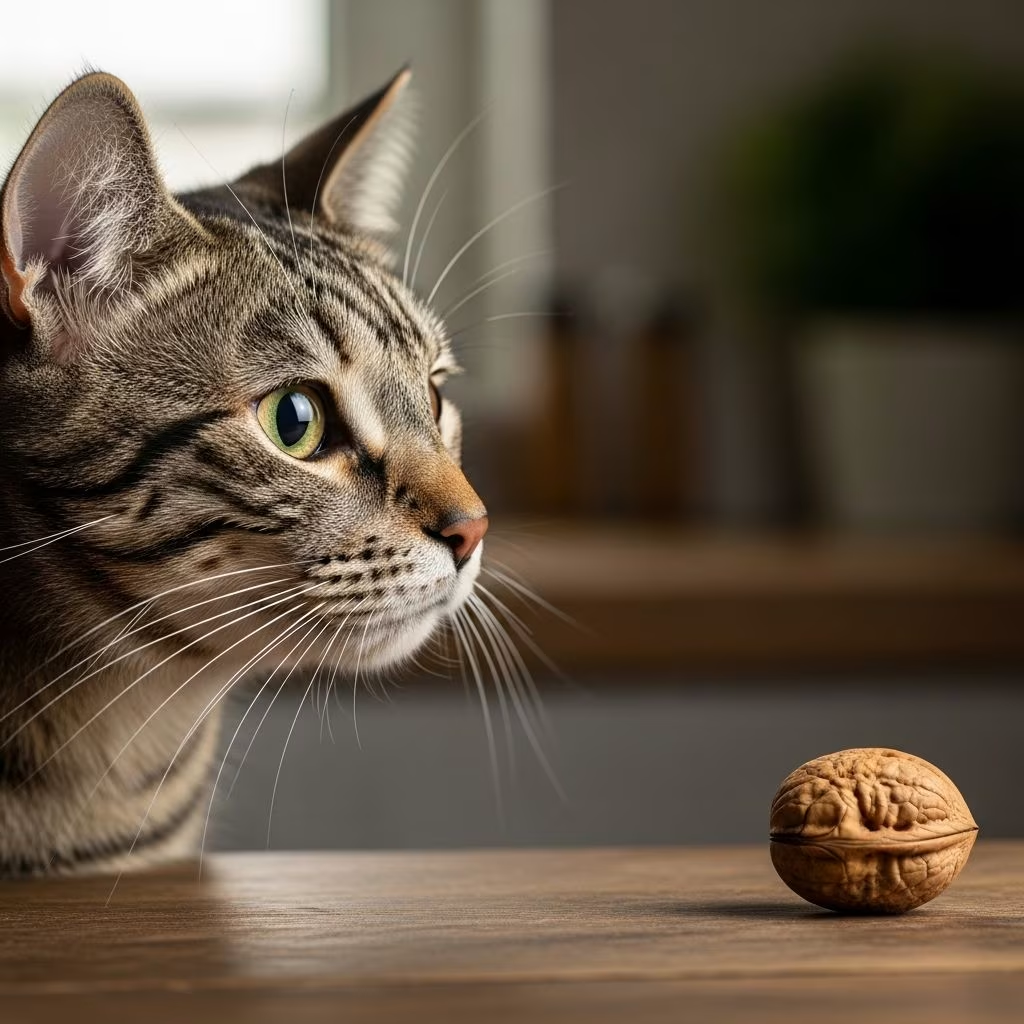
As a devoted cat owner, you might wonder if sharing your favorite snacks, like walnuts, with your feline companion is safe. While walnuts offer numerous health benefits for humans—such as improving gut health, aiding weight management, reducing inflammation, helping control diabetes, and lowering blood pressure—they pose significant risks for cats. Cats are obligate carnivores, meaning their digestive systems are optimized for meat-based proteins, not high-fat nuts like walnuts. This article explores whether cats can eat walnuts, the potential dangers, symptoms of issues, and safer alternatives to keep your pet thriving.
No, Cats Can’t Eat Walnuts!
The straightforward answer is no, cats cannot safely eat walnuts. Although walnuts are not acutely toxic to cats like they can be to dogs, they can lead to a range of health problems. Walnuts are loaded with fats that cats struggle to digest properly, potentially causing stomach upset, vomiting, diarrhea, and even more serious conditions like pancreatitis. Their large size and hard texture present choking hazards, and if swallowed whole, they could cause intestinal blockages requiring surgical intervention.
Additionally, walnuts are prone to mold contamination, which produces tremorgenic mycotoxins. These toxins can trigger severe neurological symptoms in cats, including tremors, seizures, and coordination loss. Even a single moldy walnut piece can spell trouble, as the mold isn’t always visible. Nutritionally, walnuts provide no meaningful benefits for cats; they lack the essential taurine, proteins, and other nutrients felines need from their specialized diet.
Human benefits from walnuts, backed by studies on omega-3 fatty acids and antioxidants, simply don’t translate to cats due to differing metabolisms. Offering even small amounts as treats is unwise when cat-specific foods are readily available and formulated for their needs.
The Dangers of Walnuts for Cats
Feeding walnuts to your cat introduces multiple risks that outweigh any perceived novelty. Here’s a breakdown of the primary concerns:
- High Fat Content: Walnuts are rich in fats (about 65g per 100g), which can overwhelm a cat’s pancreas, leading to pancreatitis—a painful inflammation that causes vomiting, abdominal pain, lethargy, and dehydration. Repeated exposure heightens long-term risks.
- Choking and Blockage: The nuts’ size and shape make them a choking hazard, especially for smaller or kitten cats. Swallowed pieces can lodge in the intestines, causing obstruction, severe discomfort, and potentially life-threatening emergencies.
- Mold Toxicity: Juglone and tremorgenic mycotoxins from moldy walnuts affect the nervous system, producing symptoms like muscle tremors, seizures, excessive drooling, and ataxia (wobbly movement). These require immediate veterinary attention.
- Digestive Upset: Even fresh, plain walnuts can irritate the gut, resulting in nausea, reduced appetite, and loose stools due to poor digestibility.
- No Nutritional Value: Cats derive zero essential benefits; treats should support, not sabotage, their health.
Avoid flavored or seasoned walnuts entirely—salt, sugar, or coatings amplify dangers like sodium toxicity or exacerbated GI issues.
Symptoms of Walnut Ingestion in Cats
If your cat sneaks a walnut, monitor closely for these signs, which can appear within hours:
- Vomiting or diarrhea
- Abdominal pain or bloating
- Lethargy or weakness
- Loss of appetite
- Excessive drooling or difficulty swallowing
- Muscle tremors, seizures, or uncoordinated movement (if moldy)
Early detection is crucial. Mild cases might resolve with supportive care like hydration and a bland diet, but neurological symptoms demand prompt vet intervention, possibly including anti-seizure meds, IV fluids, or diagnostics like bloodwork and imaging.
What to Do If Your Cat Eats a Walnut
Don’t panic if it’s a tiny plain piece—many cats tolerate small amounts without issue. However, act swiftly:
- Assess the Amount: One small fragment? Watch for 24-48 hours. Larger quantities or moldy nuts? Seek help immediately.
- Contact Your Vet: Describe the incident, including walnut type and quantity. They may advise monitoring, inducing vomiting (never do this alone), or bringing your cat in.
- Prevent Dehydration: Offer water; withhold food briefly if vomiting occurs.
- Emergency Signs: Rush to an ER for seizures, persistent vomiting, or distress.
Vets emphasize prevention over cure—store nuts securely.
Safe Alternatives to Walnuts for Cats
Skip nuts altogether. Opt for these vet-approved treats that align with feline nutrition:
| Treat Type | Benefits | Portion Guidelines |
|---|---|---|
| Cooked, Plain Chicken or Turkey | High protein, low fat; mimics natural diet | 1-2 tsp daily |
| Commercial Cat Treats | Balanced nutrients, dental health options | Follow package (10% of calories) |
| Fish (Cooked Salmon, Sardines) | Omega-3s for skin/coat; no raw fish | Small flakes, 1-2x/week |
| Freeze-Dried Meat Treats | Convenient, pure protein | Per label |
| Cat-Safe Veggies (Pumpkin) | Fiber for digestion | 1 tsp pureed |
These provide hydration, enrichment, and health boosts without risks. Always introduce new foods gradually.
Other Nuts and Cats: Quick Guide
Most nuts are off-limits, but here’s a comparison:
- Unsafe: Walnuts, Macadamia (toxic), Almonds (choking/fat), Pecans (mold risk)
- Occasional Small Amounts: Peanuts (unsalted, shelled; allergy risk), Chestnuts (low fat but high carb)
- Avoid Seeds Too: High fat; exceptions like shelled sunflower in tiny bits.
Stick to formulated cat foods for 90% of calories; treats under 10%.
Prevention Tips for a Nut-Free Home
- Store human snacks in high, closed cabinets.
- Educate household members on feline no-nos.
- Use puzzle feeders for safe enrichment.
- Regular vet checkups catch diet-related issues early.
By prioritizing cat-appropriate nutrition, you’ll foster a longer, healthier life for your pet.
Frequently Asked Questions (FAQs)
Can cats eat walnuts safely?
No, walnuts can cause digestive upset, choking, pancreatitis, or mold toxicity in cats despite not being outright lethal.
What are the symptoms of walnut issues in cats?
Look for vomiting, diarrhea, lethargy, tremors, seizures, drooling, or appetite loss. Seek vet care promptly.
Are there safe nuts for cats?
Most nuts aren’t ideal; choose protein treats over any nuts for safety and nutrition.
What if my cat ate a walnut?
Monitor symptoms and call your vet. Provide details on amount and type for tailored advice.
Why are walnuts bad for cats?
High fat leads to GI woes and pancreatitis; mold risks neurotoxicity; no nutritional upside.
References
- Can Cats Eat Walnuts? Safety & Risks Explained — Zoorithm. 2023. https://www.zoorithm.com/cats/can-cat-eat-walnut
- Can Cats Eat Walnuts? Vet Approved Facts & FAQ — Catster. 2023. https://www.catster.com/nutrition/can-cats-eat-walnuts/
- Nuts and Seeds for Cats: Benefits, Risks, and Considerations — Petcube. 2023. https://petcube.com/blog/can-cats-eat-nuts-and-seeds/
- Safe and Unsafe Nuts and Seeds For Dogs & Cats — Preventive Vet. 2023. https://www.preventivevet.com/pets/safe-and-unsafe-nuts-and-seeds-for-pets
- List of Human Foods Cats Can And Can’t Eat — Pawlicy Advisor. 2023. https://www.pawlicy.com/blog/food-cats-can-and-cant-eat/



