

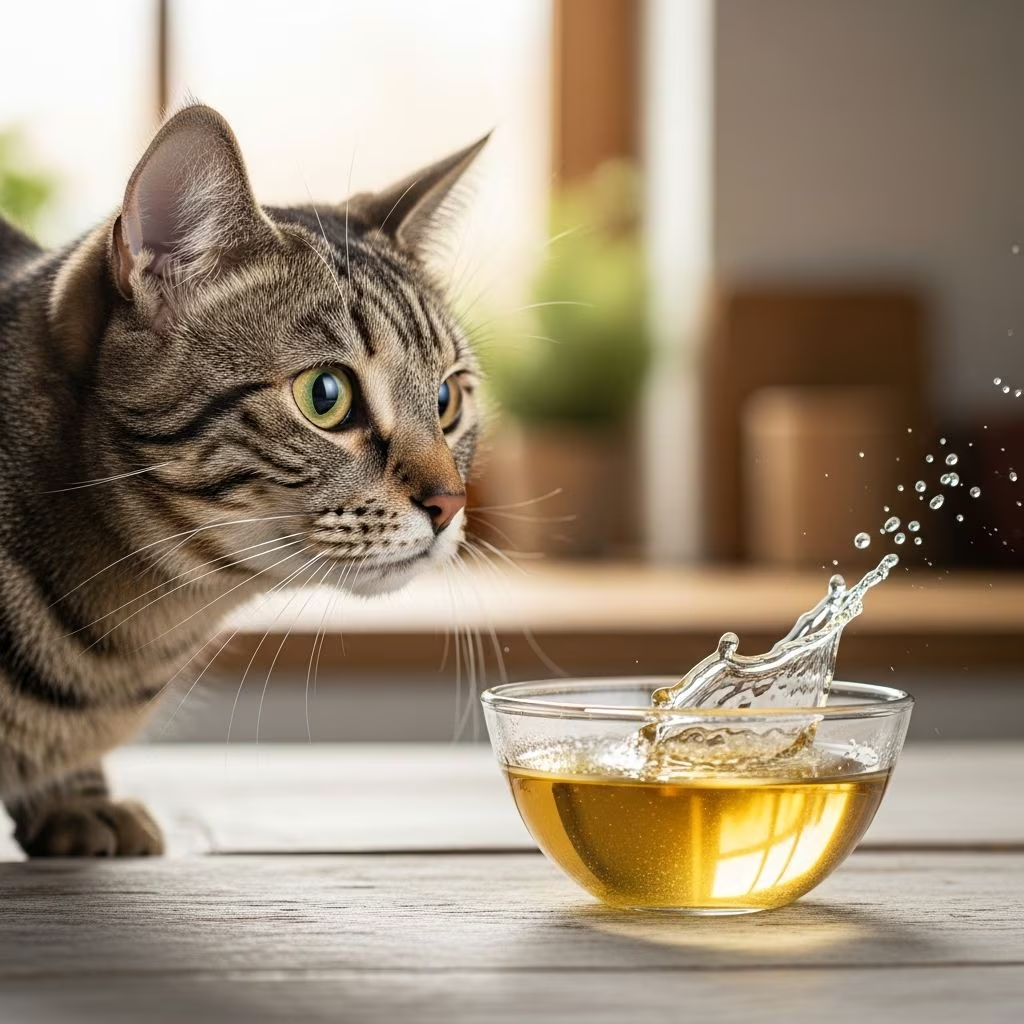
Vinegar is a common household staple used for cooking, cleaning, and even folk remedies, but when it comes to cats, pet owners often wonder about its safety. While vinegar is not toxic to cats, its high acidity makes undiluted consumption risky, potentially causing irritation to the mouth, throat, and stomach. Diluted forms can be used safely around the home, but feeding it directly to cats is generally not recommended due to lack of proven benefits and possible digestive upset.
Cats are obligate carnivores with highly acidic stomachs adapted for protein digestion, making additional acidic substances like vinegar unnecessary and potentially disruptive. This article breaks down the science, myths, safe uses, and expert advice on vinegar and cats.
Is Vinegar Safe for Cats?
Vinegar, whether white, apple cider, or other varieties, is not listed as poisonous by major pet poison control centers like the ASPCA. However, its acetic acid content—typically 5-20% in household vinegars—can irritate a cat’s sensitive mucous membranes if ingested undiluted. Small accidental ingestions, such as licking a vinegar-cleaned surface, are unlikely to cause serious harm but may lead to drooling, pawing at the mouth, or mild vomiting.
For intentional use, always dilute vinegar: a common ratio is 1 part vinegar to 1-3 parts water. Even then, oral administration should be avoided without veterinary guidance. Cats with pre-existing conditions, such as kidney disease, face heightened risks because their impaired kidneys struggle to process acids, potentially worsening symptoms.
- Key Safety Fact: Undiluted vinegar pH is around 2-3, far more acidic than a cat’s stomach pH of 1-2, risking imbalance.
- Smell Sensitivity: Cats’ acute sense of smell makes vinegar’s odor repulsive, reducing voluntary ingestion.
Why Is Vinegar Bad for Cats?
The primary issue with vinegar for cats is its acidity. Direct contact or ingestion can burn delicate tissues in the mouth, esophagus, and stomach lining, leading to inflammation, pain, and gastrointestinal distress. Symptoms include hypersalivation, retching, diarrhea, and lethargy, though these are usually self-limiting in small amounts.
Obligate carnivores like cats have digestive systems optimized for meat, not plant-derived acids. Introducing vinegar disrupts pH balance, potentially hindering protein breakdown or promoting bacterial overgrowth. In extreme cases of large ingestion, it could contribute to metabolic acidosis, especially in vulnerable cats.
| Myth | Reality |
|---|---|
| Undiluted vinegar is harmless because it’s “natural.” | Acidity causes irritation regardless of source. |
| All vinegar types are equally safe. | Apple cider vinegar may contain sediment irritating further. |
| One-time exposure means it’s fine ongoing. | Cumulative irritation builds; avoid regular use. |
Can Cats Eat Apple Cider Vinegar (ACV)?
Apple cider vinegar is popular in pet wellness circles for purported benefits like flea repulsion, digestion aid, shiny coats, and ear cleaning. However, scientific evidence is lacking; most claims stem from anecdotal reports without controlled studies on cats.
PetMD and similar experts note ACV’s mild antibacterial properties but warn of skin irritation from topical use and no proven flea-killing effects—it may only repel temporarily. Adding ACV to food or water (diluted 1:10 or more) is unnecessary, as commercial cat foods meet nutritional needs. Cats often refuse it due to taste.
- Unproven Claims:
- Improves urinary pH: No feline-specific data; risks acidosis.
- Flea treatment: Repels but doesn’t eliminate; use vet-approved products.
- Skin/coat health: Potential drying; allergies possible.
- Digestion aid: Cats’ stomachs handle this naturally.
Safe Ways to Use Vinegar Around Cats
Vinegar shines as a non-toxic cleaner in cat households. A 1:1 water-vinegar solution disinfects surfaces, neutralizes odors, and deters cats from inappropriate areas without chemicals harmful to pets.
Litter Box Cleaning: Spray diluted vinegar to break down urine crystals and ammonia smells, then rinse. Safe once dry.
Flea Deterrent Spray: Mix 1 cup water, 1/2 cup vinegar, a few drops of dish soap; spray bedding (avoid direct fur). Not a standalone treatment.
Other Uses:
- Deodorize scratching posts.
- Clean food bowls (rinse thoroughly).
- Repel cats from counters (strong scent fades quickly).
Always test small areas and ensure cats can’t ingest wet solutions. Air dry fully before allowing access.
Risks and What to Do If Your Cat Ingests Vinegar
Most incidents involve minor exposure with self-resolution. Monitor for 24-48 hours: persistent vomiting, refusal to eat, blood in stool, or distress warrants immediate vet care.
Treatment is supportive—fluids, anti-nausea meds, or antacids. For kidney patients, even small amounts may require bloodwork. Prevent by storing vinegar securely and using pet-safe cleaners.
Vinegar for Cats with Kidney Disease
Cats with chronic kidney disease (CKD) follow specialized diets often alkaline to counter acidosis. Vinegar’s acidity exacerbates this, straining already compromised kidneys and risking uremia. Absolute avoidance is advised; consult vets for tailored nutrition.
Alternatives to Vinegar for Cat Care
Opt for evidence-based options:
- Flea Control: Topical/oral preventives like fipronil or selamectin.
- Cleaning: Enzymatic pet cleaners (e.g., Nature’s Miracle).
- Digestion: Probiotics formulated for cats.
- Skin Issues: Vet-prescribed shampoos.
Frequently Asked Questions (FAQs)
Can vinegar kill cats?
No, vinegar will not kill cats under normal circumstances. Large amounts cause irritation and upset, but fatalities are extremely rare.
Is white vinegar toxic to cats?
White vinegar is not toxic but highly acidic; avoid oral ingestion to prevent mouth/stomach irritation.
Can cats drink vinegar?
Cats should not drink vinegar. It may induce vomiting or diarrhea due to acidity.
Is vinegar safe for cats to smell?
The strong smell irritates but doesn’t harm; ventilation helps.
Can vinegar help with cat fleas?
Diluted vinegar repels fleas temporarily but doesn’t kill them; use vet products.
Are cats allergic to vinegar?
Allergies are rare; irritation from acidity is more common.
References
- Is Vinegar Bad for Cats? Safe Uses, Myths, and Recommendations — Basepaws. 2023. https://basepaws.com/blog/is-vinegar-bad-for-cats
- Is Vinegar Bad for Cats? Vet-Reviewed Safety Concerns — Catster. 2024-05-15. https://www.catster.com/cat-health-care/is-vinegar-bad-for-cats/
- Can Cats Eat Vinegar? Vet-Verified Facts — Huston Veterinary. 2023-11-20. https://hustonveterinary.com/can-cats-eat-vinegar/
- Is Vinegar Really Bad for Cats? — Cats.com. 2024. https://cats.com/is-vinegar-bad-for-cats
- Can Cats Drink Vinegar? Vet-Reviewed Health Facts — Hepper. 2024-02-10. https://articles.hepper.com/can-cats-drink-vinegar/
- Is vinegar dangerous for cats if they accidentally lick or ingest it? — Dial a Vet. 2023. https://www.dialavet.com/vet-answers/post/vinegar-danger-cats-ingest-48750



