

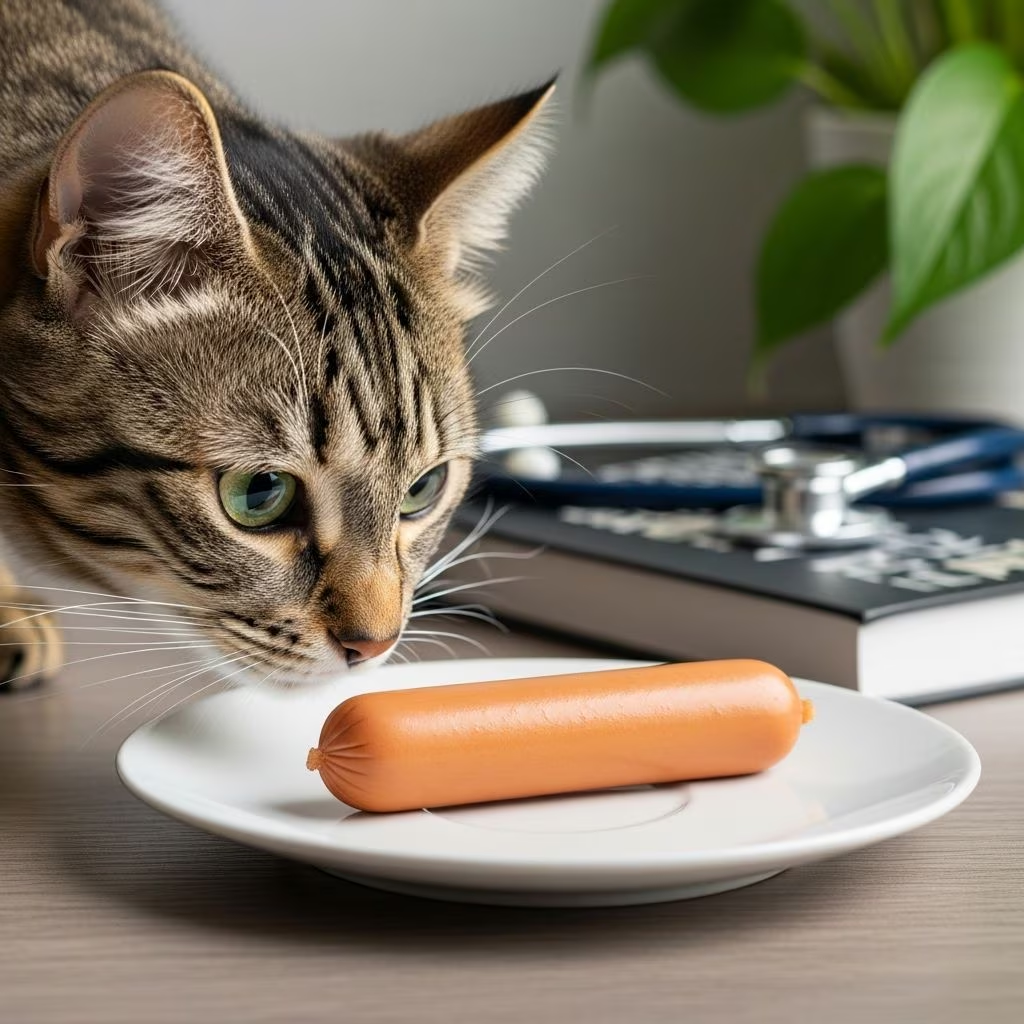
Can Cats Eat Vienna Sausages? A Comprehensive Vet-Reviewed Guide
Vienna sausages might seem like a convenient treat to share with your feline companion, but the answer to whether cats can eat them is more complex than a simple yes or no. While cats are curious creatures that often take an interest in what their owners eat, Vienna sausages are not an ideal food choice for cats and should be avoided as a regular part of their diet. Understanding why requires examining the nutritional composition and potential health risks these processed meat products pose to our whiskered friends.
Can Cats Actually Eat Vienna Sausages?
The straightforward answer is that cats can safely consume a very small nibble of Vienna sausage, but it should never become a regular part of their diet. If your cat has managed to consume a small bite of a Vienna sausage, there is generally no immediate cause for alarm. However, what becomes dangerous is repeated consumption or Vienna sausages becoming a habitual treat.
Cats are natural carnivores that would hunt birds, fish, and other wildlife in their natural habitat. While this makes them attracted to meat-based products, the specific composition of Vienna sausages—filled with processing additives, preservatives, and seasonings—makes them fundamentally unsuitable for feline digestive systems. The distinction between high-quality cooked meat and processed Vienna sausages is critical to understanding feline nutrition.
What Are Vienna Sausages Made Of?
Vienna sausages are typically manufactured from various meat sources, including pork and beef, which initially might seem appealing to cats given their carnivorous nature. However, the quality of meat in these processed products is often questionable. More importantly, the sausages are loaded with numerous ingredients beyond basic meat:
- High levels of sodium and salt
- Artificial preservatives and chemical additives
- Various spices including garlic powder and onion powder
- Excessive fat content
- High calorie density
- Flavor enhancers and binding agents
These ingredients combine to create a product that, while potentially tolerable in minuscule quantities, offers little nutritional benefit and carries substantial health risks for feline consumption.
Why Vienna Sausages Are Problematic for Cats
High Sodium Content
One of the most significant concerns with Vienna sausages is their exceptionally high sodium concentration. Cats have dramatically different sodium requirements than humans. While humans can tolerate and require moderate amounts of salt, cats require approximately 0.2% sodium in their diet to maintain proper health. A single Vienna sausage can substantially exceed a cat’s entire daily sodium requirement, creating an immediate nutritional imbalance. Excessive salt intake can lead to sodium ion poisoning in cats, resulting in symptoms including excessive thirst, frequent urination, and in severe cases, heart issues and neurological problems.
Toxic Ingredients: Garlic and Onion Powder
Perhaps the most concerning ingredients in Vienna sausages are garlic and onion powder, which are toxic to cats at elevated levels. These common flavorings can pose a life-threatening risk when consumed in significant amounts. The danger lies in the fact that there is no established safe amount of garlic for cats; veterinarians recommend avoiding it altogether. Both garlic and onion powder can damage a cat’s red blood cells, leading to hemolytic anemia. This condition can cause lethargy, weakness, pale gums, and in severe cases, life-threatening complications. Even though a single Vienna sausage might not contain enough garlic or onion powder to cause acute poisoning, repeated consumption could accumulate to dangerous levels.
Excessive Fat Content
Vienna sausages are notoriously high in fat, which creates multiple digestive and metabolic problems for cats. The high fat content can trigger gastrointestinal distress, manifesting as diarrhea, vomiting, stomach discomfort, and loss of appetite. Additionally, excessive fat can lead to pancreatitis, a painful inflammation of the pancreas that is relatively common in cats and requires immediate veterinary attention. This condition causes severe abdominal pain and can become life-threatening if left untreated.
Preservatives and Additives
The various preservatives and chemical additives used in processing Vienna sausages can irritate your cat’s digestive system and potentially trigger allergic reactions. When ingested in substantial quantities, these additives may lead to vitamin B1 (thiamine) deficiency, resulting in severe neurological reactions and compromised immune function. Additionally, these processed ingredients provide no nutritional value that benefits your cat’s health.
Can Vienna Sausages Have Negative Effects on My Cat?
Yes, Vienna sausages can produce several negative effects on feline health, particularly when consumed regularly or in larger quantities:
Digestive Upset
The combination of high salt, spices, and fat in Vienna sausages commonly causes digestive distress. Cats may experience vomiting, diarrhea, stomach discomfort, and reduced appetite. These symptoms indicate that the cat’s digestive system is struggling to process the food appropriately.
Weight Gain and Obesity
Vienna sausages are calorie-dense but nutritionally hollow, making them particularly problematic for weight management. Frequent consumption leads to unhealthy weight gain and obesity, which carries serious health consequences. Obese cats are at significantly elevated risk for developing diabetes, urinary tract problems, liver disease, and respiratory issues. The average cat lifespan of 10 to 15 years can be substantially shortened by obesity-related complications.
Potential Toxicity Issues
While occasional tiny amounts might not cause acute poisoning, regular consumption of Vienna sausages containing garlic or onion powder can accumulate to toxic levels. This gradual accumulation may cause anemia and associated complications that develop insidiously over time.
Choking Hazards
Vienna sausages present an underestimated choking risk for cats. Their small size might make them seem like easy snacks, but cats don’t always chew their food thoroughly as humans do. If offered in pieces that are too large or given without careful supervision, Vienna sausages could lodge in a cat’s throat, creating a medical emergency.
Comparing Vienna Sausages to Healthy Cat Treat Alternatives
| Food Item | Safety for Cats | Nutritional Value | Recommended Frequency |
|---|---|---|---|
| Vienna Sausages | Not recommended | Low; high sodium and fat | Avoid or minimal |
| Plain Cooked Chicken | Safe and recommended | High-quality protein | Occasional treats |
| Plain Cooked Turkey | Safe and recommended | Lean protein source | Occasional treats |
| Plain Cooked Fish | Safe and recommended | Protein and omega-3s | Occasional treats |
| Vet-Approved Cat Treats | Safe and formulated for cats | Balanced nutrition | Per package guidelines |
What Should I Do If My Cat Has Eaten Vienna Sausage?
If your cat has consumed a small piece of Vienna sausage on a single occasion, there is typically no need for immediate panic. Most cats can tolerate small quantities without experiencing severe acute symptoms. However, you should monitor your cat closely for any signs of distress, including:
- Vomiting or retching
- Diarrhea or loose stools
- Loss of appetite
- Excessive thirst or urination
- Lethargy or unusual behavior
- Difficulty breathing or choking signs
If any of these symptoms develop after Vienna sausage consumption, contact your veterinarian promptly. Additionally, if your cat has consumed a large amount or has a history of eating Vienna sausages regularly, professional veterinary evaluation is recommended to assess for potential accumulation effects.
Healthier Meat Alternatives for Your Cat
Rather than offering Vienna sausages, provide your feline companion with nutritionally appropriate meat options. Plain cooked meats represent ideal alternatives because they align with your cat’s natural carnivorous diet while providing genuine nutritional benefit:
- Plain Cooked Chicken: Remove skin and bones, offer small pieces as occasional treats
- Plain Cooked Turkey: Lean protein source without added seasonings or skin
- Plain Cooked Fish: Provides protein and beneficial omega-3 fatty acids; avoid raw fish
- Veterinarian-Approved Treats: Specifically formulated for feline nutritional needs and safety
- Commercial Cat Treats: Choose products from reputable manufacturers designed specifically for cats
These alternatives provide genuine nutritional value without the health risks associated with processed, heavily salted, and artificially-enhanced products like Vienna sausages.
Frequently Asked Questions About Vienna Sausages and Cats
Q: Is it safe to feed my cat Vienna sausage?
A: While a tiny piece occasionally might not cause immediate harm, it’s best to avoid Vienna sausages entirely and prioritize cat-specific foods formulated for feline nutritional requirements. The risks generally outweigh any potential benefits.
Q: What are the signs of garlic poisoning in cats?
A: Symptoms of garlic toxicity include lethargy, weakness, pale gums, vomiting, diarrhea, dark-colored urine, and difficulty breathing. Seek immediate veterinary care if you suspect garlic poisoning.
Q: How can I tell if my cat is having an allergic reaction to Vienna sausage?
A: Allergic reactions may include vomiting, itching, rashes, hives, diarrhea, or difficulty breathing after consumption. Stop offering the food immediately and contact your veterinarian for guidance.
Q: Can cats eat other types of sausages?
A: No, most sausages share similar problematic characteristics with Vienna sausages—high sodium, fat, preservatives, and potentially toxic spices. Avoid all processed sausage products for cats.
Q: What is the safest way to give my cat meat treats?
A: Offer plain cooked meat without seasonings, skin, or bones. Ensure pieces are appropriately sized to prevent choking hazards, and limit treats to no more than 10% of daily caloric intake.
Q: How often can I safely give my cat treats?
A: Treats should comprise no more than 10% of your cat’s total daily caloric intake. Most veterinarians recommend limiting treats to a few times per week, focusing primarily on complete and balanced commercial cat food.
Why Processed Meats Are Fundamentally Different From Fresh Meat
Understanding the distinction between fresh, cooked meat and processed products like Vienna sausages is essential for making informed feeding decisions. Fresh cooked meats align with a cat’s natural diet and carnivorous physiology. They provide high-quality protein, essential amino acids, and other nutrients without the added sodium, preservatives, and questionable additives found in processed options.
Vienna sausages represent an extreme form of processing, designed for human convenience and extended shelf life rather than nutritional optimization. The multiple processing steps strip away natural nutrients while introducing artificial compounds that feline digestive systems are not equipped to handle efficiently.
Conclusion
Although one might initially assume that cats could benefit from the protein contained in Vienna sausages, the reality is far more complicated. Vienna sausages offer minimal nutritional value while posing significant health risks through excessive sodium, toxic seasonings, harmful fats, and problematic additives. While a single tiny bite of a Vienna sausage is unlikely to cause acute harm, these products should not become a regular part of your cat’s diet.
The seasonings, particularly garlic and onion powder, present genuine toxicity concerns. The high sodium content can lead to serious complications including hypertension, kidney damage, and sodium ion poisoning. The excessive fat and calorie density contribute to obesity and associated diseases. If your cat consumes Vienna sausages frequently, they face substantially elevated risks of developing garlic or onion poisoning, digestive upset, obesity, and various metabolic complications.
As a responsible cat owner, prioritize your feline companion’s long-term health by choosing appropriate alternatives. Plain cooked meats and veterinarian-approved treats provide genuine nutritional benefits without the documented risks. When introducing any new food to your cat’s diet, do so cautiously and monitor for adverse reactions. Should you have concerns about your cat’s diet or notice any unusual symptoms following food consumption, consult with your veterinarian for professional guidance tailored to your individual pet’s health status.
References
- Can Cats Eat Vienna Sausages? Vet-Reviewed Facts & Safety Guide — Catster. 2025. https://www.catster.com/nutrition/can-cats-eat-vienna-sausages/
- Can Cats Eat Vienna Sausage? Vet-Verified Facts — Huston Veterinary. https://hustonveterinary.com/can-cats-eat-vienna-sausage/
- Can Cats Eat Vienna Sausages? Nutrition Facts & Safety Guide — Hepper. https://articles.hepper.com/can-cats-eat-vienna-sausages/
- Can Cats Eat Sausage? Safety & Nutrition Guide — Zoorithm. https://www.zoorithm.com/cats/can-cat-eat-sausage
- Can Cats Eat Sausage? — Basepaws. https://basepaws.com/blog/can-cats-eat-sausage



