

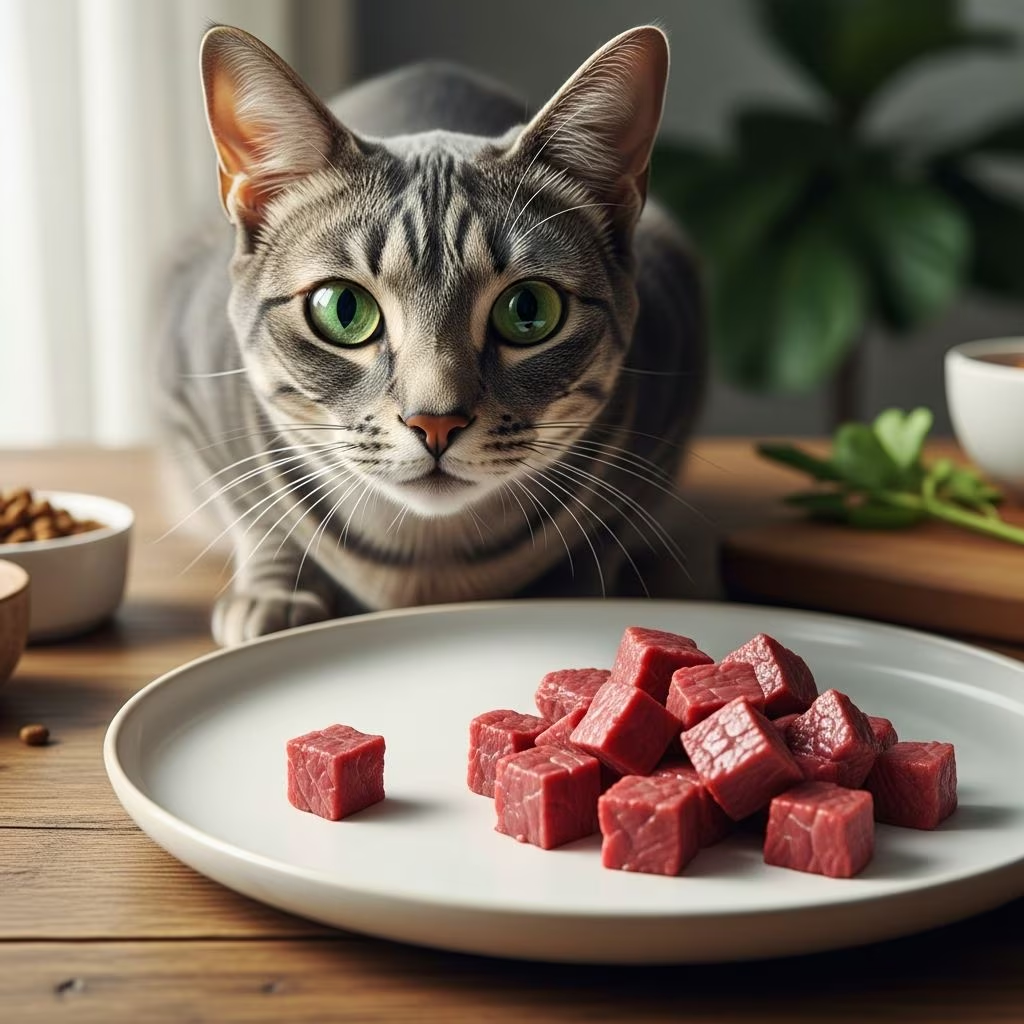
Can Cats Eat Venison? A Complete Nutritional Guide
The term “venison” originates from the Latin verb venari, meaning “to hunt,” and refers to meat from large game animals, most commonly deer. While not the most typical protein found in commercial cat foods, venison is increasingly used in specialized feline food formulas. Home-prepared venison is safe for non-allergic cats to eat as long as it is fully cooked and offered only in moderation. Understanding whether your cat can safely enjoy this uncommon protein requires knowledge of its nutritional profile, preparation methods, and portion control.
Is Venison Good for Cats?
Cats are obligate carnivores, meaning they rely entirely on nutrients derived from animal sources for optimal health. For this reason, cats can not only eat venison but potentially reap nutritional benefits from this lean meat. Venison is particularly valuable for cats because it contains several essential nutrients that support feline health and wellness.
One of the primary advantages of venison is its high protein content. Protein provides essential amino acids that cats require, including taurine, an amino acid critical for heart health, vision, and reproductive function in felines. Beyond protein, venison offers a well-balanced omega-3 to omega-6 ratio, which supports skin and coat health. Additionally, venison serves as a good source of B vitamins, vitamin K, zinc, and iron. The mineral iron is particularly important as it helps blood transport oxygen throughout the body and prevents conditions like anemia. Vitamin K assists with blood clotting, preventing bruising and bleeding issues, while B vitamins support skin health, hair quality, and metabolic function.
Another significant advantage of venison is that it is leaner and contains fewer calories than more common meats like beef, pork, and lamb. This makes venison an excellent choice for cats that need to manage their weight while still receiving high-quality protein and essential nutrients. The easily digestible nature of venison also makes it suitable for cats with sensitive stomachs, as pets can absorb nutrients more efficiently, reducing the chances of gastrointestinal discomfort.
How to Properly Prepare Venison for Your Cat
Preparation is absolutely critical when offering venison to your feline companion. The way venison is cooked and presented directly impacts your cat’s ability to safely digest and benefit from this protein source.
Cooking Requirements
Venison must be fully cooked before offering it to your cat. Cooking thoroughly eliminates the risk of dangerous pathogens that may be present in raw meat. Your cat’s digestive system is sensitive, and proper cooking ensures food safety and reduces the risk of foodborne illness.
Avoid Harmful Additives
When preparing venison for your cat, it is essential to avoid adding any oils, seasonings, or other additives. Specific items to avoid include:
- Heavy, man-made oils that can be harsh on the digestive system
- Salt, which can upset feline digestion
- Butter, which adds unnecessary fat
- Garlic, which is toxic to cats and can make them very unwell
- Other seasonings and spices designed for human palates
The venison you offer should be plain, unseasoned, and cut into small, bite-sized pieces that your cat can easily consume.
Portion Sizing
Always cut venison into appropriately sized pieces. Small, manageable portions prevent choking hazards and make it easier for your cat to consume and digest the meat.
Can Cats Eat Raw Venison?
Feeding raw venison to cats is not recommended and carries significant health risks. Raw meat is sometimes found to contain dangerous pathogens, including Salmonella, E. Coli, and Listeria. These bacterial contaminants can cause serious foodborne illnesses in cats and potentially spread to human household members. Most veterinary experts strongly discourage offering any raw meat to cats to protect both the animal and the family.
How Much Venison Can Your Cat Have?
The appropriate amount of venison depends on the form in which it is offered and whether it is part of your cat’s regular diet or an occasional treat.
Commercial Venison Diets
If your cat’s commercial diet contains venison as an ingredient, your cat will be consuming it daily. This is perfectly acceptable because complete and balanced commercial formulas are specifically designed to contain all the essential nutrients your cat requires for optimal health and longevity.
Home-Prepared Venison
Home-prepared venison and other meats should be considered treats only and should never replace your cat’s complete and balanced commercial food formula. Venison alone is not nutritionally complete and cannot fulfill all of a cat’s dietary needs. Preparing nutritionally balanced homemade cat food is extremely challenging without professional veterinary guidance.
Foods outside of your cat’s regular diet, including treats and human foods, should comprise only about 10% of your cat’s daily calorie intake. This means if your cat requires 200 calories daily, treats should account for no more than 20 calories. You can offer venison pieces occasionally by adding a few pieces to your cat’s food bowl if they enjoy it, but consistency and moderation are key.
Introducing Venison to Your Cat
When introducing any new protein to your cat’s diet, take a gradual approach to prevent adverse reactions. Start by offering venison in very small amounts to monitor how your cat’s digestive system responds. Watch carefully for any signs of digestive distress, including vomiting, diarrhea, or a decrease in appetite. If your cat shows these symptoms, discontinue venison immediately and monitor her closely. If symptoms persist or worsen, consult with your veterinarian.
Can Cats Be Allergic to Venison?
Yes, cats can develop allergies to venison, although this is relatively rare. Food allergies in cats are more commonly reported with chicken, beef, and fish than with venison. When a cat has a food allergy, their immune system overreacts in response to ingesting that particular protein.
Signs of Venison Allergy
Venison allergies in cats may present as either skin signs or gastrointestinal signs. Skin manifestations include:
- Itchiness and excessive scratching
- Rashes or inflamed skin
- Hair loss or patchy fur
Gastrointestinal signs include vomiting and diarrhea.
Diagnosis and Management
To diagnose food allergies or hypersensitivities, veterinarians may recommend a food trial, also known as an elimination diet trial, in which your cat is fed a type of protein they have never consumed before. Because venison is an uncommon ingredient in commercial cat food that many cats have not previously had, and because cats are unlikely to be allergic to it, venison is sometimes strategically used as a “novel” protein source in specialized elimination diets. This makes venison particularly valuable for cats with documented allergies to more common proteins.
Venison as an Alternative for Allergic Cats
For cats with vet-diagnosed food allergies to other meats, venison represents an excellent alternative protein source. Its status as a hypoallergenic option makes it less likely to trigger allergic reactions compared to more commonly consumed meats like chicken or beef. The combination of being a lean, high-quality protein with essential vitamins and minerals, all while being less likely to cause allergic reactions, makes venison particularly appealing for cats with sensitive systems.
Frequently Asked Questions
Q: Can venison be a regular part of my cat’s diet?
A: While venison is a healthy protein, it is best offered as an occasional treat unless specifically recommended by your veterinarian. A balanced diet tailored for cats is essential to meet all their nutritional needs. Home-prepared venison should not replace your cat’s complete and balanced commercial diet.
Q: What should I do if my cat shows signs of an upset stomach after eating venison?
A: If your cat displays digestive issues such as vomiting, diarrhea, or lethargy, stop offering venison immediately and monitor her closely. Consult with your veterinarian if symptoms persist beyond a few hours, as this may indicate an allergy or intolerance to this protein source.
Q: Is raw venison safe for my cat?
A: No, it is not recommended to feed cats raw venison due to the risk of bacterial contamination, which could lead to serious foodborne illness. Always cook venison thoroughly before offering it to your cat to eliminate harmful pathogens like Salmonella and E. Coli.
Q: How do I know if my cat has a venison allergy?
A: Watch for skin signs such as itchiness, rashes, or hair loss, and gastrointestinal signs such as vomiting and diarrhea. If you suspect your cat has a venison allergy, consult your veterinarian who may recommend an elimination diet to confirm the diagnosis.
Q: Can I give my cat venison every day?
A: Home-prepared venison should only be an occasional treat making up no more than 10% of your cat’s daily calorie intake. If your cat’s commercial diet includes venison as a primary ingredient, they can have it daily as part of their balanced nutrition.
Key Takeaways
- Cats can safely eat cooked, plain venison as an occasional treat
- Venison must be fully cooked and offered without seasonings, oils, or additives
- Raw venison poses serious health risks and should be avoided
- Venison should not replace a complete and balanced cat food formula
- Home-prepared venison should comprise no more than 10% of daily calorie intake
- Venison is an excellent option for cats with allergies to common proteins
- Introduce venison gradually and monitor for adverse reactions
- Consult with your veterinarian before making dietary changes
Final Thoughts
In summary, cats can eat pieces of cooked, plain venison as a treat, but it should not replace a complete and balanced food formula. Venison alone does not offer cats all the nutrients, vitamins, and minerals they need to thrive, and preparing your own cat food at home is quite challenging to get right in terms of nutrition. However, as an occasional treat and particularly as a novel protein source for cats with food allergies to common meats, venison can be a valuable addition to your cat’s diet when prepared properly. Always consult with your veterinarian before introducing new proteins or making significant changes to your cat’s diet to ensure her health and nutritional needs are being met appropriately.
References
- Can my cat eat venison without getting sick? — Dial A Vet. https://www.dialavet.com/vet-answers/post/cats-eating-venison-49944
- Can Cats Eat Venison? Important Facts & Health Guidelines — Catster. https://www.catster.com/nutrition/can-cats-eat-venison/
- Can Cats Eat Venison? Vet Approved Facts & FAQ — Hepper. https://articles.hepper.com/can-cats-eat-venison/
- Is Venison Good for Dogs and Cats? — PetWell Australia. https://petwell.com.au/blogs/posts/is-venison-good-for-dogs-and-cats
- Venison Allergy in Cats – Symptoms, Causes, Diagnosis — Wag!. https://wagwalking.com/cat/condition/venison-allergy



