

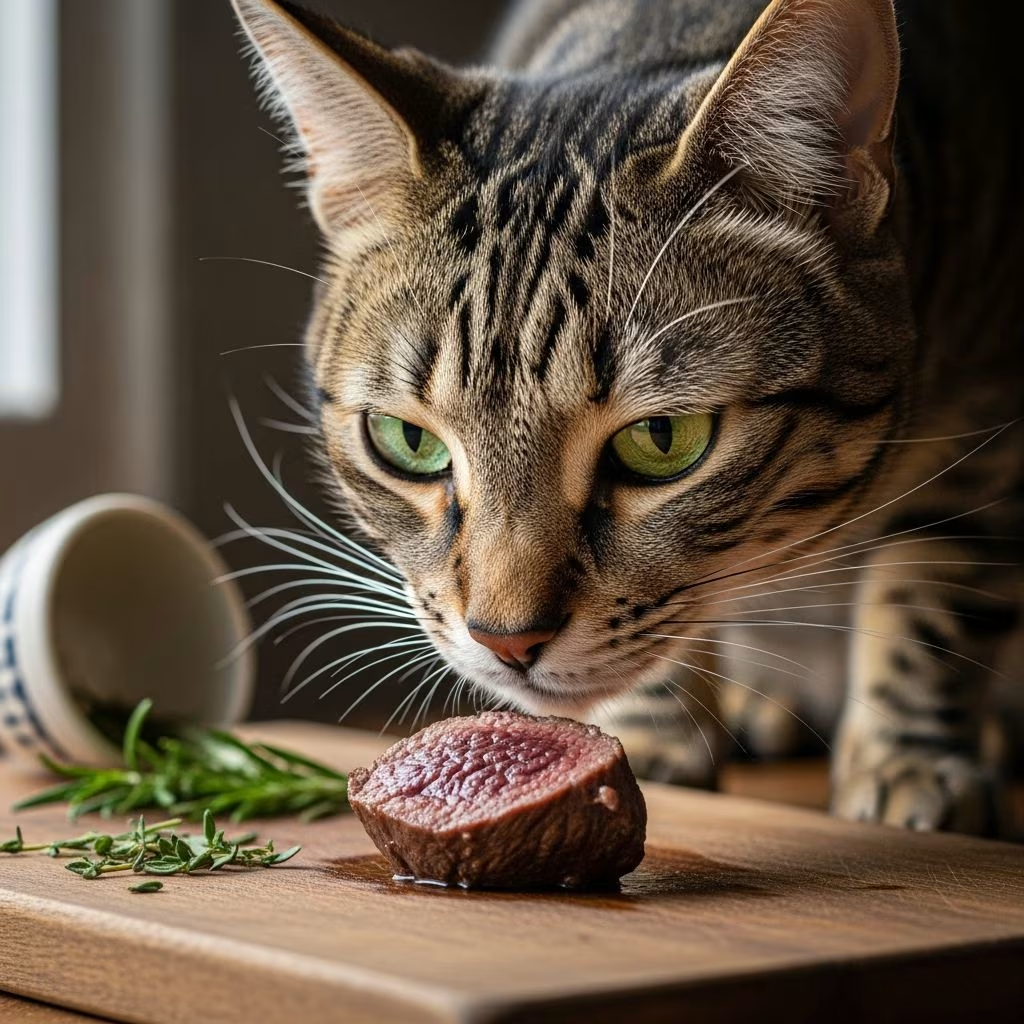
Cats can safely eat small amounts of properly cooked, plain venison as an occasional treat, provided they have no allergies to it. Venison offers nutritional benefits like high protein and essential nutrients but should not replace a balanced commercial cat food diet.
What Is Venison?
The term venison originates from the Latin word venari, meaning “to hunt,” and traditionally refers to meat from large game animals, most commonly deer. In modern usage, it primarily denotes deer meat, though it can include elk, moose, or other cervids. Unlike beef or chicken, venison is not a staple in most commercial cat foods but appears in some premium or limited-ingredient formulas.
Venison’s appeal for cats lies in its novel protein status—less common than poultry or beef—making it suitable for cats with sensitivities to typical proteins. It’s naturally lean, with a favorable fat profile, which aligns well with cats’ needs as obligate carnivores requiring animal-based proteins for survival.
Is Venison Good for Cats?
Yes, venison is good for cats in moderation due to its high-quality nutrition tailored to feline dietary needs. As obligate carnivores, cats derive essential nutrients primarily from meat, and venison fits this profile excellently.
Key benefits include:
- High Protein Content: Provides essential amino acids like taurine, vital for heart health, vision, and reproduction. Protein supports muscle maintenance, energy, and growth.
- Lean and Low-Calorie: Lower in fat and calories than beef, pork, or lamb, aiding weight management in cats prone to obesity.
- Rich in Micronutrients: Excellent source of B vitamins (for metabolism and skin health), vitamin K (blood clotting), iron (oxygen transport, preventing anemia), zinc (immune function), and a balanced omega-3 to omega-6 ratio for anti-inflammatory effects.
- Hypoallergenic Potential: As a novel protein, it’s less likely to trigger allergies compared to common meats like chicken or beef.
These attributes make venison a healthy treat option, but it must complement—not replace—a complete cat food formula to ensure all nutritional requirements are met.
Can Cats Eat Raw Venison?
No, raw venison is not safe for cats. Raw meat poses significant risks of bacterial contamination, including Salmonella, E. coli, and Listeria, which can cause severe foodborne illnesses in cats and humans handling the food.
Experts strongly recommend cooking venison thoroughly to an internal temperature of at least 165°F (74°C) to eliminate pathogens. Avoid raw feeding unless under veterinary supervision with commercially prepared, tested raw diets.
How Much Venison Can My Cat Have?
The amount depends on whether it’s part of a commercial diet or a home-prepared treat. In balanced commercial cat foods containing venison, daily consumption is fine as formulas are nutritionally complete.
For treats:
- Limit to 10% of daily caloric intake to avoid nutritional imbalances.
- Start with small pieces (e.g., 1-2 teaspoons for an average adult cat) 1-2 times per week.
- Monitor weight and adjust; overweight cats may benefit from smaller portions due to venison’s leanness.
| Cat Weight | Max Treat Portion (Cooked Venison) | Frequency |
|---|---|---|
| 5-8 lbs (2-3.6 kg) | 1-2 tsp | 1-2x/week |
| 9-12 lbs (4-5.4 kg) | 2-3 tsp | 1x/week |
| 13+ lbs (6+ kg) | Consult vet | As advised |
Always prioritize complete cat food for 90% of calories.
Can Cats Be Allergic to Venison?
Yes, though rare, cats can be allergic to venison. Allergies occur when the immune system overreacts to proteins, more commonly to beef, chicken, or fish than venison.
Symptoms include:
- Skin Issues: Itching, rashes, hair loss, excessive grooming.
- Gastrointestinal: Vomiting, diarrhea, appetite loss.
Venison’s novelty makes it ideal for elimination diet trials to diagnose allergies—vets often recommend it as a first-time protein. Introduce gradually and consult a vet if symptoms appear.
How Should You Cook Venison for Cats?
Prepare venison plainly to ensure safety:
- Cook Thoroughly: Bake, boil, or grill to 165°F internal temperature. Avoid frying.
- No Seasonings: Skip salt, garlic, onions, butter—all toxic to cats.
- No Oils: Especially processed ones that upset digestion.
- Cut Small: Bite-sized pieces to prevent choking.
Store leftovers refrigerated for up to 3 days or freeze portions.
Health Risks and Precautions
Potential issues:
- Digestive Upset: New proteins may cause temporary diarrhea or vomiting—introduce slowly.
- Bacterial Risks: Only from raw or undercooked meat.
- Nutritional Gaps: Not a complete diet alone.
- Allergies: Rare but monitor.
Consult a vet before introducing, especially for kittens, seniors, or cats with health conditions.
Venison in Commercial Cat Foods
Many brands offer venison-based kibble, wet food, or treats as limited-ingredient options for allergy-prone cats. These are formulated to be AAFCO-complete, providing balanced nutrition. Look for vet-recommended products.
Frequently Asked Questions (FAQs)
Can venison be a regular part of my cat’s diet?
Only if in a complete commercial formula; otherwise, limit to occasional treats to maintain balance.
What if my cat has an upset stomach after venison?
Stop feeding, monitor for vomiting/diarrhea/lethargy, and see a vet if persisting.
Is venison better than chicken for cats?
For allergic cats, yes—as a novel protein; nutritionally similar but leaner.
Can kittens eat venison?
In small amounts after weaning, but stick to kitten formulas primarily.
Where to source safe venison?
From reputable hunters/butchers; ensure wild game is tested for parasites/lead.
Final Thoughts
Venison is a nutritious, lean treat for most cats when cooked plainly and fed sparingly. Its protein richness and hypoallergenic traits benefit many, but always prioritize veterinary advice and balanced nutrition for your cat’s long-term health.
References
- Can my cat eat venison without getting sick? — Dial A Vet. 2023. https://www.dialavet.com/vet-answers/post/cats-eating-venison-49944
- Can Cats Eat Venison? Important Facts & Health Guidelines — Catster. 2024-02-01. https://www.catster.com/nutrition/can-cats-eat-venison/
- Can Cats Eat Venison? Vet Approved Facts & FAQ — Hepper. 2024. https://articles.hepper.com/can-cats-eat-venison/
- Is Venison Good for Dogs and Cats? — PetWell Australia. 2023-10-15. https://petwell.com.au/blogs/posts/is-venison-good-for-dogs-and-cats
- What Raw Meat Can Cats Eat? — PetCubes. 2024. https://petcubes.com/blogs/raw-feeding-guide-cats/what-raw-meat-can-cats-eat



