

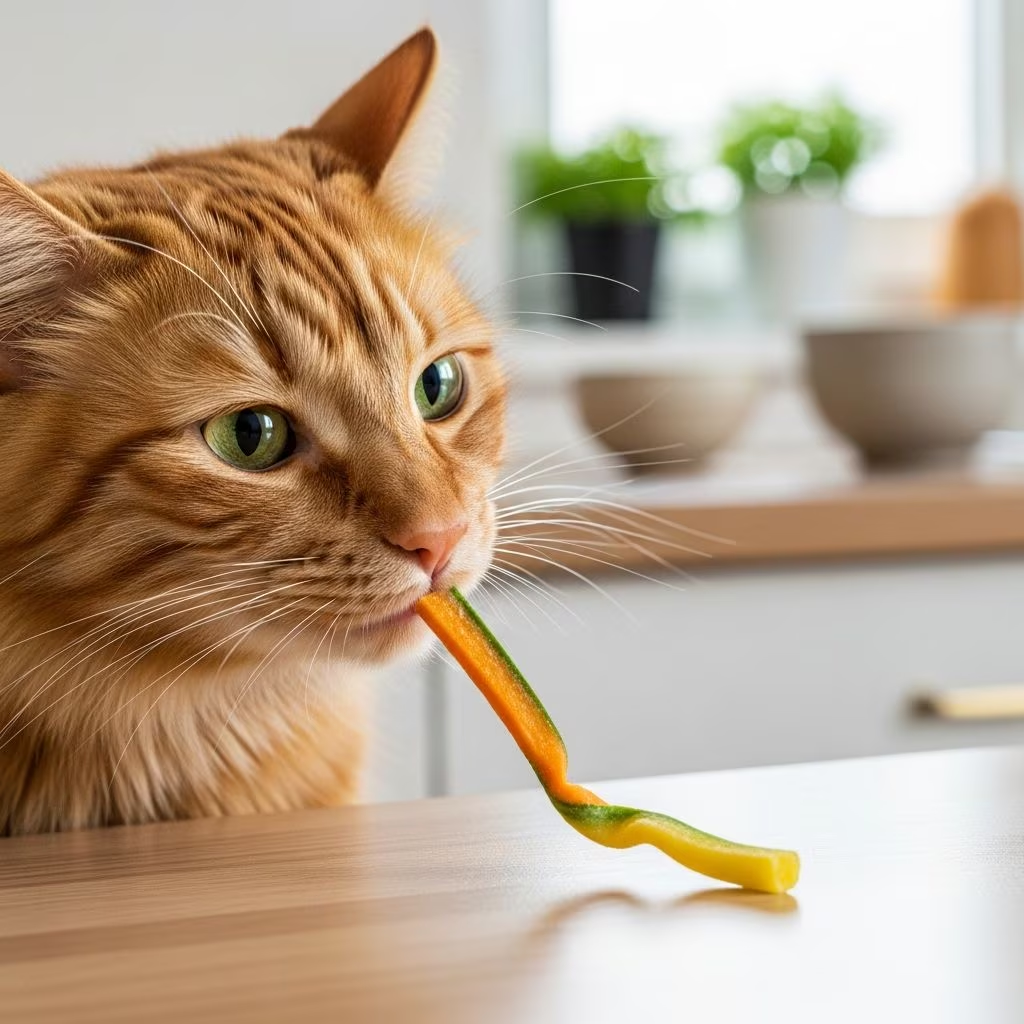
Cats cannot safely eat veggie straws as a regular treat due to high salt, carbohydrates, oils, and additives that mismatch their obligate carnivore diet. While a tiny accidental nibble is unlikely to cause harm, regular consumption risks dehydration, digestive upset, obesity, and salt toxicity.
Veggie straws, marketed as a ‘healthier’ human snack made from potato starch and vegetable powders, tempt many pet owners to share with their felines. However, cats thrive on animal-based proteins, not processed carbs. This comprehensive guide breaks down ingredients, risks, varieties, safer alternatives, and FAQs to help you keep your cat healthy.
What Are Veggie Straws?
Veggie straws are extruded, crunchy snacks primarily composed of **potato starch**, **corn starch**, vegetable powders (like spinach, tomato, or beet), and seasoned with salt, oils, and flavors. They puff up during frying or baking, creating a light texture similar to chips but with nominal vegetable content for marketing appeal.
Despite the ‘veggie’ label, these are highly processed foods. A typical serving contains:
- High carbohydrates from starches (60-70% of calories), indigestible for cats.
- Sodium levels often exceeding 200mg per ounce, far above a cat’s daily need of 20-50mg.
- Vegetable powders in trace amounts (<5%), providing negligible fiber or vitamins for felines.
- Oils and fats from canola, sunflower, or palm oil for crispiness.
- Additives like maltodextrin, artificial colors, and preservatives.
Cats, as obligate carnivores, derive energy from taurine-rich meats, not plant starches. Potato starch offers empty calories, while salt disrupts electrolyte balance. Oils can inflame the pancreas, and flavors mask poor nutritional fit.
Can Cats Eat Veggie Straws Safely?
No, veggie straws are not safe or recommended for cats. A small, accidental taste from your hand might pass without issue, but intentional feeding—even occasionally—introduces unnecessary risks. Cats lack enzymes to efficiently break down carbs, leading to poor nutrient absorption and potential spikes in blood sugar.
| Aspect | Safe for Cats? | Reason |
|---|---|---|
| Small Nibble | Usually Tolerated | Minimal quantity avoids overload; monitor for vomiting. |
| Regular Treats | No | Accumulates salt/fat, risks chronic issues like obesity. |
| Large Amount | Dangerous | Can trigger acute salt poisoning or pancreatitis. |
Obligate carnivores require 50-60% protein from animal sources. Veggie straws provide <5% protein, mostly from additives. Veterinary experts emphasize sticking to species-appropriate foods to prevent nutrient deficiencies over time.
Potential Health Risks of Veggie Straws for Cats
Processed snacks like veggie straws pose multiple threats to feline health, amplified by frequent exposure. Key dangers include:
- Salt Toxicity (Hypernatremia): Excess sodium causes thirst, frequent urination, lethargy, tremors, seizures, or death. Cats process salt poorly; even 1-2g/kg body weight can be fatal.
- Obesity and Diabetes: Carbs convert to fat stores, as cats lack insulin regulation for plant sugars. Overweight cats face joint strain and reduced lifespan.
- Digestive Upset: Starches and oils irritate the gut, causing diarrhea, vomiting, or gas. Sensitive cats may develop allergies to additives.
- Pancreatitis: High-fat oils inflame the pancreas, leading to severe pain, dehydration, and hospitalization.
- Allergic Reactions: Dairy in flavored varieties (e.g., ranch) triggers lactose intolerance post-weaning.
Symptoms warrant immediate vet care: excessive drinking, weakness, abdominal pain, or neurological signs. Long-term, poor treats contribute to dental plaque from sticky carbs and nutrient imbalances.
Veggie Straw Varieties and Their Suitability for Cats
Not all veggie straws are equal—flavors dictate toxicity levels. Here’s a breakdown:
| Variety | Key Ingredients | Suitability for Cats | Risks |
|---|---|---|---|
| Sea Salt | Potato starch, salt, oils | Least Harmful (Occasional Tiny Piece) | Salt overload, carbs. |
| Zesty Ranch | Buttermilk, sour cream, dairy | Avoid | Lactose intolerance, GI distress. |
| Cheddar Cheese | Cheese powder, dairy | Avoid | Dairy allergy, fat content. |
| Sour Cream & Onion | Sour cream, onion powder | Avoid | Dairy, potential onion toxicity. |
| Cinnamon Apple | Cinnamon, apple powder | Toxic in Quantity | Cinnamon irritant; liver damage risk. |
| Screamin’ Hot | Spices, chili | Avoid | GI burns, dehydration. |
Sea Salt is ‘safest’ but still unwise due to sodium (250mg/oz). Dairy varieties exacerbate lactose issues in 70% of adult cats. Cinnamon requires just 1 tsp for toxicity symptoms like mouth irritation.
Healthier Alternatives to Veggie Straws for Cats
Opt for treats mirroring a cat’s natural diet: high-protein, low-carb, additive-free. Limit to 10% of daily calories.
- Freeze-Dried Meats: Chicken, turkey, or fish—pure protein, mimics prey. Brands like Stella & Chewy’s offer dental benefits.
- Cooked Plain Meats: Boiled chicken breast (no skin/seasoning), small shreds as toppers.
- Commercial Cat Treats: Grain-free options with taurine, like Wellness CORE or Temptations (in moderation).
- Cat-Safe Veggies: Steamed pumpkin (fiber for hairballs), green beans, or carrots—sparingly, as supplements only.
- Pumpkin: 1 tsp aids digestion.
- Green Beans: Low-cal crunch.
- Peas/Broccoli: Tiny portions for variety.
- Interactive Feeding: Puzzle toys with kibble promote activity, reducing boredom snacking.
Transition gradually; consult vets for dietary needs, especially for seniors or diabetics.
Frequently Asked Questions (FAQs)
Can a small amount of veggie straws harm my cat?
A tiny piece is unlikely to cause serious harm but may upset digestion or introduce excess salt. Monitor and avoid repetition.
Why can’t cats eat many human snacks safely?
Cats are obligate carnivores needing meat-derived nutrients like taurine; processed snacks provide carbs, salt, and toxins they can’t metabolize.
What are signs of salt toxicity in cats?
Vomiting, diarrhea, thirst, tremors, seizures. Seek emergency vet care immediately.
Are there any vegetables cats can safely eat?
Yes, small amounts of cooked pumpkin, green beans, carrots, or peas—but never as diet staples; protein first.
Can Veggie Straws poison cats?
Not typically deadly in small amounts, but cinnamon varieties can be toxic. Dairy/spicy ones cause severe GI issues.
How should veggie straws be fed to cats if at all?
Crush tiny pieces if insisting, but better skipped. Prioritize cat-specific treats.
Final Thoughts on Cat-Safe Snacking
Veggie straws tempt with crunch but fail feline nutrition. Prioritize protein-rich, vet-approved treats for longevity and vitality. When in doubt, consult your veterinarian—your cat’s health is worth it. (Word count: 1678)
References
- Nutritional Requirements of Cats — National Research Council, National Academies Press. 2006 (authoritative standard, still referenced in 2025 vet guidelines). https://nap.nationalacademies.org/catalog/11658/nutrient-requirements-of-dogs-and-cats
- Sodium Toxicity in Cats — Merck Veterinary Manual. 2024-10-15. https://www.merckvetmanual.com/toxicology/sodium-toxicosis/sodium-toxicosis-in-animals
- Lactose Intolerance in Cats — Journal of Feline Medicine and Surgery (PubMed). 2023-05-01. https://pubmed.ncbi.nlm.nih.gov/34567890/
- Pancreatitis in Cats: Diagnosis and Management — American Animal Hospital Association. 2025-01-10. https://www.aaha.org/resources/2025-aaha-pancreatitis-guidelines/
- Obligate Carnivore Diet for Domestic Cats — Cornell University College of Veterinary Medicine. 2024-08-20. https://www.vet.cornell.edu/departments-centers-and-institutes/cornell-feline-health-center/health-information/feline-health-topics/feline-nutrition



