

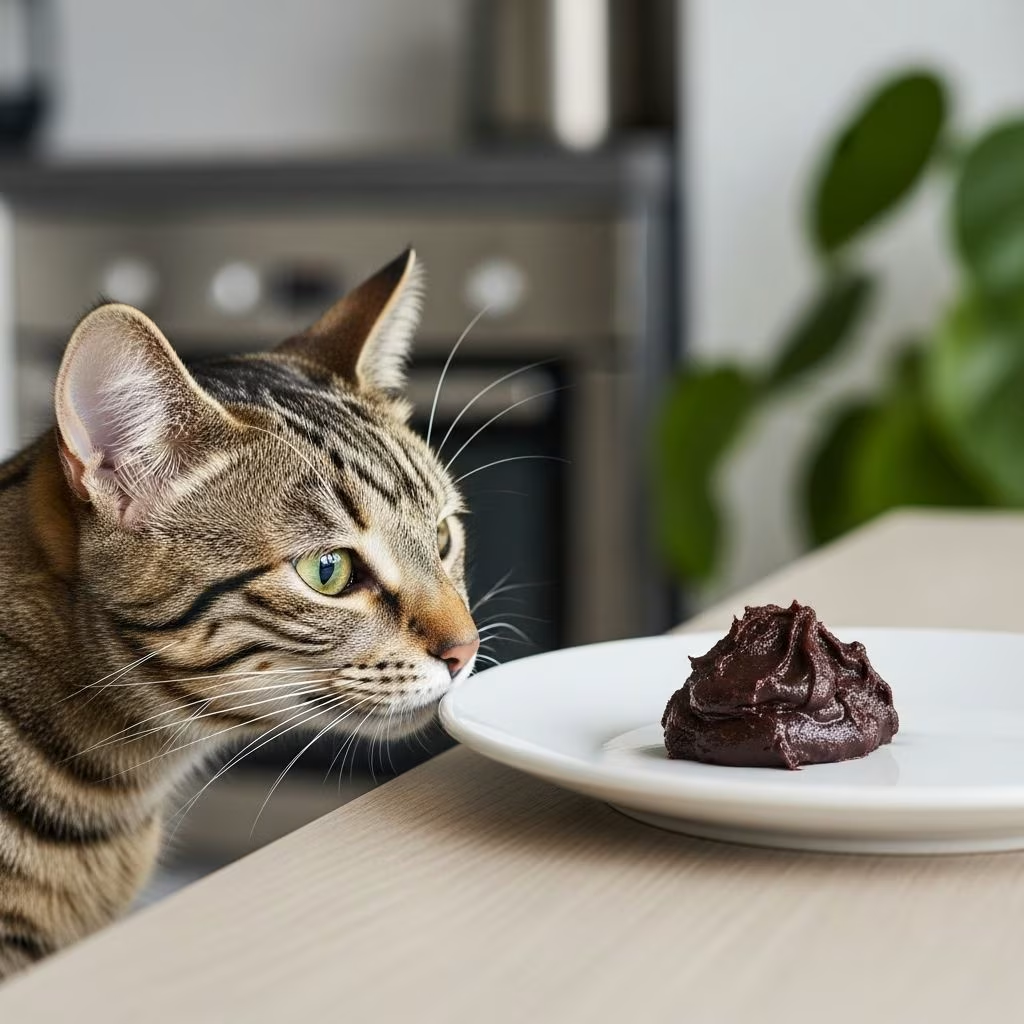
Vegemite is a beloved Australian spread made from yeast extract, but it is not safe for cats to consume. As obligate carnivores, cats have specific nutritional needs that Vegemite fails to meet and may actively harm due to high sodium, B vitamins in excess, and potential allergens.
What Is Vegemite?
Vegemite is a thick, dark brown paste derived from brewer’s yeast extract, salt, malt extract from barley, and various B vitamins. Popular in Australia and New Zealand, it’s often spread thinly on toast or used in cooking for its savory, umami flavor. Key ingredients include concentrated yeast extract (providing B vitamins like thiamine, riboflavin, niacin, and folate), sodium chloride (salt), and vegetable extracts.
While nutritious for humans in small amounts—offering B vitamins, folate, and trace minerals—its composition is tailored for human diets, not feline physiology. Cats require high animal-based protein, taurine, arachidonic acid, preformed vitamin A, and vitamin B12, which plants and yeast cannot adequately supply.
Can Cats Eat Vegemite?
No, cats should not eat Vegemite. Even small amounts can lead to health issues because of its high salt content and imbalanced nutrients. Cats are strict carnivores evolved on meat-based diets with minimal carbohydrates and no need for yeast-derived extracts.
- High Sodium Risk: Vegemite contains about 3,600mg of sodium per 100g, far exceeding a cat’s daily requirement of 200-400mg depending on size. Excess salt can cause sodium ion poisoning, leading to thirst, vomiting, diarrhea, tremors, seizures, and in severe cases, death.
- Yeast Extract Concerns: Brewer’s yeast can irritate a cat’s sensitive digestive system, causing gas, bloating, or allergic reactions in some felines.
- Nutrient Imbalance: Excess B vitamins may disrupt taurine absorption or metabolism, critical for heart and eye health.
Why Is Vegemite Bad for Cats?
The primary dangers stem from Vegemite’s formulation. Cats lack the enzymes to process high salt loads efficiently and cannot synthesize certain nutrients from plant sources.
| Ingredient | Amount in Vegemite (per 5g serve) | Impact on Cats |
|---|---|---|
| Sodium | ~180mg | Exceeds daily needs; risks hypertension, kidney strain, toxicity |
| B Vitamins (e.g., Niacin) | High levels | Potential overdose; interferes with taurine |
| Yeast Extract | Main component | Digestive upset, allergies |
| Malt/Barley | Trace carbs | Unnecessary; cats digest carbs poorly long-term |
Studies confirm cats thrive on animal proteins, with carbs providing no essential benefit and potentially contributing to obesity or diabetes if overfed. Vegemite’s profile exacerbates these risks.
What Happens If a Cat Eats Vegemite?
Ingestion effects vary by amount and cat size. A lick off toast might cause mild upset, but more can be serious.
- Mild Symptoms (small amount): Excessive thirst, drooling, vomiting, diarrhea within hours.
- Severe Symptoms (larger amount): Lethargy, weakness, tremors, rapid breathing, seizures. High salt draws water into cells, causing swelling in brain and organs.
- Long-Term: Repeated exposure risks chronic kidney disease, heart issues, or nutrient deficiencies.
Monitor closely; contact a vet if symptoms appear. Induce vomiting only under professional guidance.
How Much Vegemite Is Toxic to Cats?
No safe amount exists, but toxicity thresholds are low. For a 4kg cat, 1-2g (a thin smear) may cause mild symptoms; 5g+ risks severe poisoning. Factors like age, health, and hydration influence severity. Treats should never exceed 10% of calories; Vegemite offers zero benefits.
Is Yeast Extract Safe for Cats?
Yeast extract itself isn’t toxic but problematic. Cats may experience GI distress from its richness, and inactive yeasts lack nutritional value for felines. Unlike dogs, cats don’t benefit from yeast as a protein source. Avoid brewer’s or nutritional yeast routinely.
Is Marmite Safe for Cats?
Marmite, Vegemite’s UK counterpart, shares similar issues: high salt (2,000mg/100g), yeast extract, and vitamins. It’s equally unsafe; same risks apply.
Are There Any Benefits of Vegemite for Cats?
None proven. B vitamins are redundant in complete cat foods, and yeast doesn’t supply taurine or preformed retinol cats need. Plant-based additives offer no edge over meat-based diets for obligate carnivores.
Alternatives to Vegemite for Cats
Opt for cat-safe treats meeting AAFCO standards.
- Commercial Cat Treats: Freeze-dried meat, fish treats low in salt.
- Homemade: Plain cooked chicken, turkey (no seasoning), or tuna in water (sparingly).
- Veggie Snacks (Safe): Steamed pumpkin, carrot—small amounts for fiber.
Avoid human spreads; prioritize high-protein, low-carb options.
Conclusion
Keep Vegemite away from cats—its risks outweigh any appeal. Feed balanced, meat-centric diets for optimal health. Consult vets for personalized advice.
Frequently Asked Questions
Can cats have a tiny bit of Vegemite?
No, even tiny amounts risk salt overload. Better safe with cat-specific foods.
What if my cat ate Vegemite?
Watch for symptoms; call vet or poison hotline immediately.
Why do cats like Vegemite?
Umami from yeast mimics meat flavors, but it’s not nutritionally suitable.
Can Vegemite cause blindness in cats?
Indirectly via taurine disruption from imbalances, though primary risk is salt.
Is Vegemite vegan-friendly for cats?
Vegemite is vegan, but cats aren’t—plant diets risk deficiencies despite studies.
References
- Commercial vs Homemade Cat Diets: What you need to know — Journal of Feline Medicine and Surgery. 2022-07-01. https://journals.sagepub.com/doi/10.1177/1098612X221090389
- The Dangers of Vegetarian & Vegan Diets in Cats — Woof Doctor Vet. 2023-01-15. https://www.woofdoctor.vet/vegetarian-cats/
- Vegan versus meat-based cat food: Guardian-reported health — PLOS ONE. 2023-09-20. https://journals.plos.org/plosone/article?id=10.1371/journal.pone.0284132
- Cats and Carbohydrates: The Carnivore Fantasy? — PMC / NIH. 2017-12-20. https://pmc.ncbi.nlm.nih.gov/articles/PMC5753635/
- Feeding Your Cat: Know the Basics of Feline Nutrition — CatInfo.org. 2024-01-01. https://catinfo.org
- Study finds cats on plant-based diet tend to be healthier — ProVeg International. 2023-09-20. https://proveg.org/press-release/study-finds-cats-on-plant-based-diet-tend-to-be-healthier-than-those-fed-meat/



