

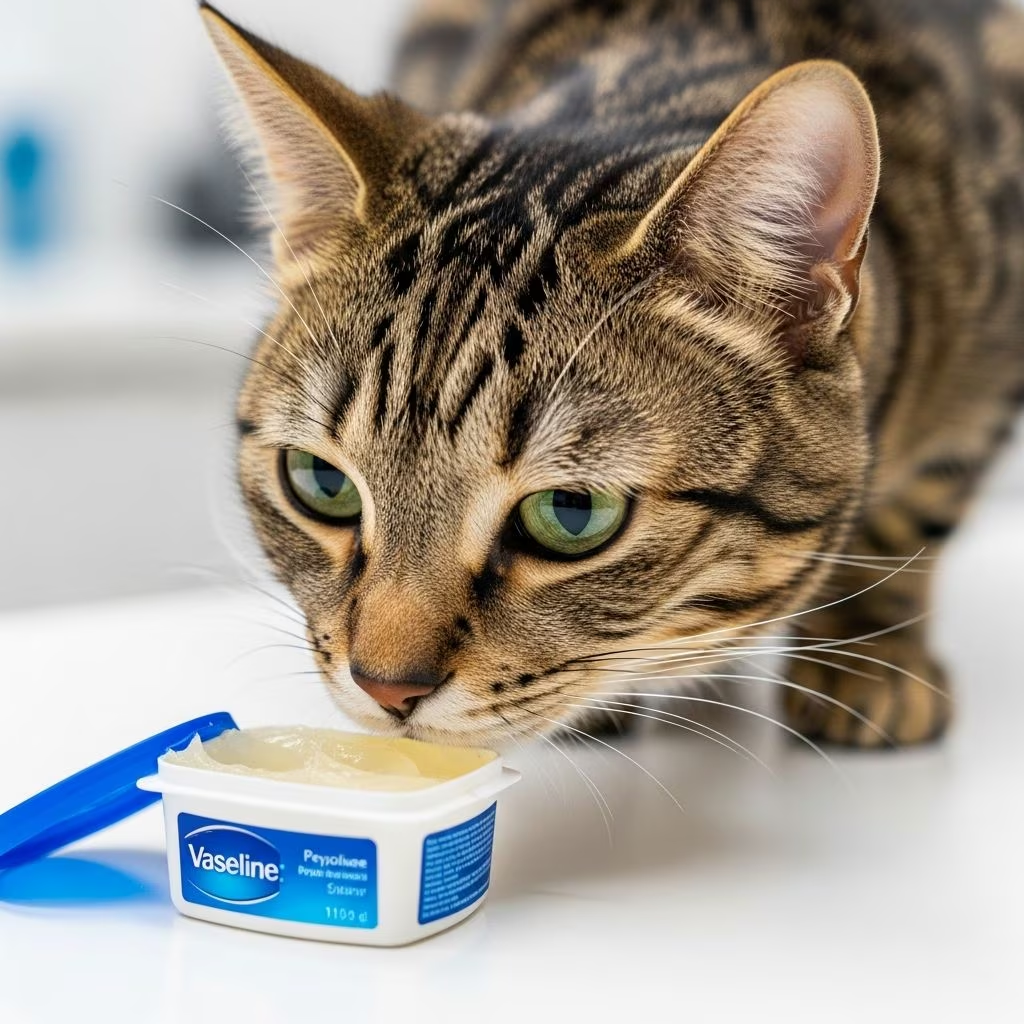
Vaseline, a common petroleum jelly, is not considered toxic to cats when ingested in small amounts, but it is not recommended for consumption due to potential digestive upset and other health risks. While some cat owners use it for hairball relief or skin moisturizing, accidental licking during grooming can lead to issues like diarrhea, vomiting, or even aspiration pneumonia in rare cases.
Quick Answer: Can Cats Eat Vaseline?
Cats can ingest small amounts of Vaseline without immediate toxicity, as it is minimally absorbed by the digestive tract and passes through as a lubricant. However, it offers no nutritional value and can cause gastrointestinal problems, especially in larger quantities or cats with pre-existing conditions. Veterinary experts advise against routine use and recommend pet-specific alternatives instead.
What Is Vaseline?
Vaseline, also known as petroleum jelly or petrolatum, is a semi-solid mixture of mineral oils and waxes derived from petroleum. It is inert, meaning it doesn’t chemically react in the body, and is commonly used for human skin protection, chapped lips, and minor wounds. In veterinary contexts, medical-grade versions are sometimes applied topically to pets for their occlusive properties, forming a barrier that locks in moisture without skin absorption.
For cats, Vaseline’s thick, oily texture makes it appealing to lick, but its indigestible nature means it coats the gastrointestinal tract rather than being broken down. This lubricating effect is why it’s occasionally considered for hairball remedies, though safer options exist.
Is Vaseline Toxic to Cats?
Vaseline is generally non-toxic to cats in small doses, as confirmed by veterinary sources; it does not cause poisoning like true toxins. The primary composition—purified petroleum hydrocarbons—is not absorbed systemically and is excreted in feces, often appearing greasy.
However, risks escalate with quantity or frequency:
- Gastrointestinal irritation: Acts as a laxative, leading to loose stools or diarrhea by coating the intestines.
- Nutrient malabsorption: Forms a barrier preventing water and nutrient uptake, potentially causing dehydration in vulnerable cats.
- Intestinal blockage: Large amounts may congeal and obstruct the gut, requiring veterinary intervention.
Cats with kidney disease, dehydration, or gastrointestinal sensitivities face higher risks, as even mild diarrhea can exacerbate conditions. PetMD notes that petroleum hydrocarbons can be harmful if inhaled or applied near the mouth, emphasizing topical caution.
Symptoms of Vaseline Ingestion in Cats
Monitor your cat closely after suspected ingestion. Symptoms typically appear within hours and are usually mild but can indicate severity based on amount consumed.
| Symptom | Description | Severity |
|---|---|---|
| Vomiting | Body’s attempt to expel indigestible jelly; may occur once or repeatedly. | Mild to Moderate |
| Diarrhea/Loose Stools | Oily, greasy feces due to laxative effect; can lead to dehydration. | Moderate |
| Lethargy | Reduced activity or appetite from abdominal discomfort. | Mild |
| Abdominal Pain | Bloating, hunching, or tenderness; signals potential blockage. | Severe |
| Respiratory Distress | Coughing or breathing issues from aspiration pneumonia (rare). | Emergency |
If symptoms persist beyond 24 hours or worsen, seek veterinary care immediately. Aspiration—oily substance entering lungs—is a critical risk, particularly with liquid forms, potentially causing fatal pneumonia.
Risks of Feeding Cats Vaseline
Beyond symptoms, repeated exposure poses long-term concerns. Vaseline interferes with normal digestion, potentially leading to chronic loose stools or weight loss from poor nutrient absorption.
- Aspiration Pneumonia: High viscosity reduces risk compared to liquid paraffin, but forcing ingestion or application near the face increases inhalation danger.
- Dehydration: Laxative properties cause fluid loss, dangerous for kittens, seniors, or ill cats.
- Dependency: Not a substitute for proper hairball control; over-reliance masks underlying issues like poor diet.
Healthy cats may tolerate occasional small licks (e.g., from paw application), but it’s never ideal.
How Much Vaseline Is Safe for Cats?
No universal safe dose exists, as it varies by cat size, health, and Vaseline form. Small incidental ingestion (<1 teaspoon) is low-risk for adults. Veterinary hairball remedies containing petrolatum specify doses (e.g., 1/4 tsp daily), but pure Vaseline should not be self-administered.
Guidelines:
- Kittens/Puppies: Avoid entirely; higher dehydration risk.
- Adults: Monitor tiny amounts; consult vet for therapeutic use.
- Sick Cats: Prohibit; amplifies existing issues.
Always prioritize vet approval over home remedies.
Why Do Cats Eat Vaseline?
Cats’ curiosity drives licking of Vaseline due to its smooth texture and mild scent. Common scenarios include:
- Grooming after topical application on paws, fur, or wounds.
- Accessing open jars on counters or bathrooms.
- Mistaken for food during play or exploration.
Prevent by storing securely and using cat-inaccessible alternatives.
Can Cats Eat Vaseline for Hairballs?
Vaseline lubricates the gut, helping pass hairballs by coating ingested fur. Some vets endorse small amounts in hairball pastes, but pure Vaseline lacks fiber or palatability aids, increasing risks. Better options include malt-based pastes or high-fiber diets.
Alternatives to Vaseline for Cats
Opt for vet-approved products to avoid petroleum risks:
- Hairball Remedies: Laxatone or Tomlyn gels with malt flavor and petrolatum in safe doses.
- Paw/Skin Balms: Coconut oil, shea butter, or Musher’s Secret (pet-safe wax).
- Dietary Fiber: Pumpkin puree (1 tsp daily) or psyllium husk for natural lubrication.
- Omega Supplements: Fish oil for skin health without ingestion risks.
These provide benefits without Vaseline’s drawbacks.
When to Contact a Vet After Vaseline Ingestion
Call your vet if:
- Large amount (>1 tbsp) ingested.
- Symptoms like persistent vomiting, blood in stool, or weakness appear.
- Respiratory signs (coughing, labored breathing) suggest aspiration.
- Cat is kitten, senior, or has health issues.
Provide details on amount, time, and symptoms for tailored advice. Induce vomiting only under vet guidance.
Frequently Asked Questions (FAQs)
Is Vaseline safe for cats to lick in small amounts?
Small licks are unlikely to cause serious harm but may lead to mild GI upset. Monitor and use alternatives.
Can I put Vaseline on my cat’s paws or nose?
Avoid; cats groom excessively, ingesting it. Use pet balms instead to prevent risks.
What if my cat ate a lot of Vaseline?
Contact vet immediately—risk of blockage or dehydration. Do not wait for symptoms.
Does Vaseline help with cat constipation?
It may lubricate but isn’t ideal; risks outweigh benefits. Vet-prescribed laxatives are safer.
Is petroleum jelly the same as Vaseline for cats?
Yes, but ensure medical-grade purity. Still, not recommended without vet advice.
References
- Can Cats Eat Vaseline? Safety & Risks Explained — Zoorithm. 2023. https://www.zoorithm.com/cats/can-cat-eat-vaseline
- Can Cats Eat Vaseline? Vet-Reviewed Health & Safety Facts — Hepper. 2023. https://articles.hepper.com/can-cats-eat-vaseline/
- Can Cats Eat Vaseline? Vet-Approved Benefits & Precautions — Catster. 2023. https://www.catster.com/nutrition/can-cats-eat-vaseline/
- Poisoning by Petroleum Products in Cats — PetMD. 2024. https://www.petmd.com/cat/conditions/respiratory/c_ct_petroleum_hydrocarbon_toxicos
- Is Vaseline Safe for Dogs and Cats? What Pet Owners Should Know — Veterinary Secrets. 2023. https://veterinarysecrets.com/vaseline-safe-for-pets/



