

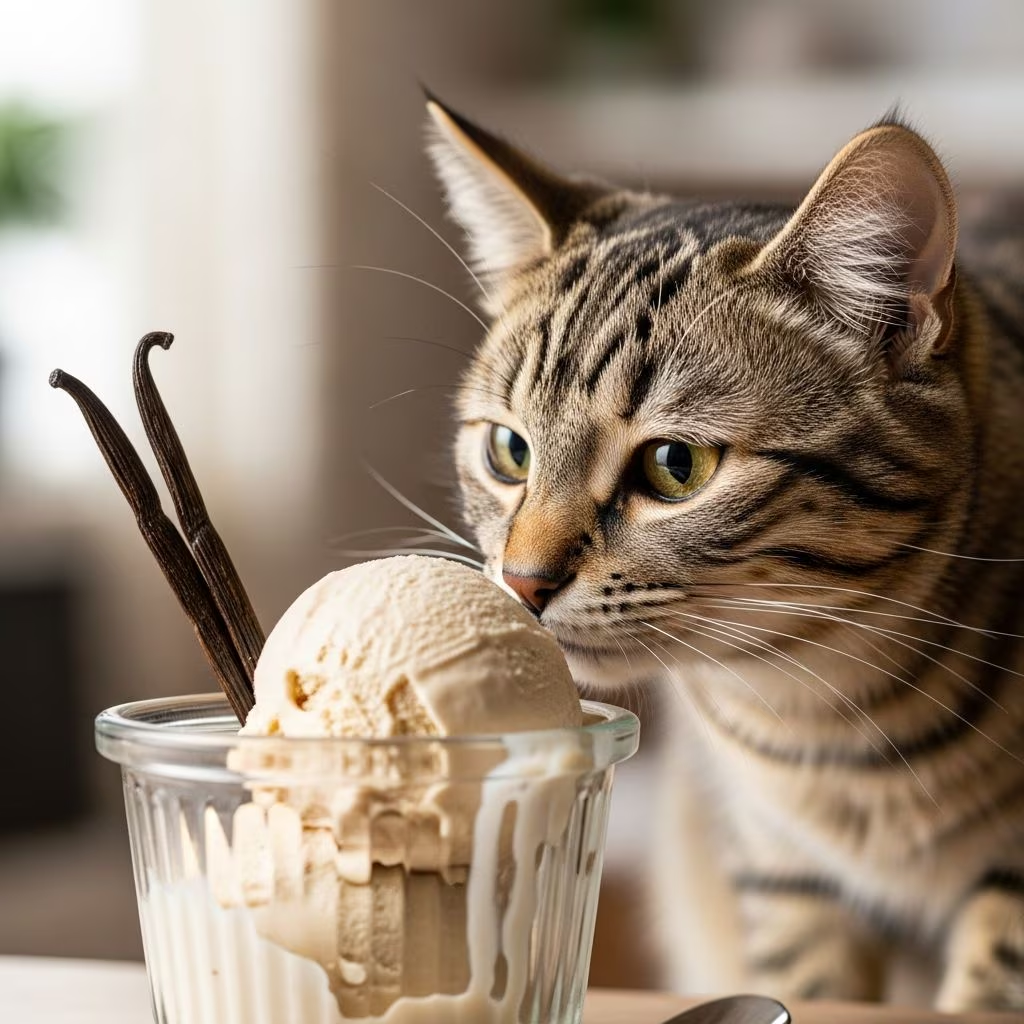
Vanilla adds delightful flavor to human foods, but cat owners often wonder about sharing it with their pets. While pure **vanilla** (Vanilla planifolia) is non-toxic to cats, most vanilla products contain harmful additives like alcohol, sugar, or dairy that can cause serious health issues. This comprehensive guide explores the safety of vanilla for cats, potential risks, what to do if your cat ingests it, and safer treat alternatives.
Quick Answer: Can Cats Eat Vanilla?
No, cats should not eat vanilla in most forms. Pure vanilla bean or pod in very small amounts is unlikely to harm them, but vanilla extract (with alcohol), ice cream, yogurt, or flavored treats are dangerous due to toxic ingredients. Cats lack nutritional need for vanilla and gain no benefits from it, so it’s best avoided entirely.
What Is Vanilla, and Why Do Cats Like It?
Vanilla comes from the orchid plant Vanilla planifolia, native to Mexico and Central America. The flavorful pods are harvested, fermented, and processed into extract or powder. Cats may be drawn to vanilla’s sweet aroma due to their keen sense of smell, but their obligate carnivore biology means they can’t taste sweetness like humans—thanks to fewer taste buds for sugar.
Vanilla itself offers no nutritional value to cats. Their diet should consist primarily of high-protein, low-carb foods mimicking their natural prey-based needs. Introducing vanilla disrupts this balance without benefits.
Is Vanilla Safe for Cats?
Pure vanilla is non-toxic but not recommended. Here’s a breakdown:
- Pure Vanilla Bean/Pod: A tiny scraped piece might cause mild stomach upset if eaten, but it’s generally safe in minuscule amounts.
- Vanilla Extract: Contains 35%+ ethyl alcohol, highly toxic to cats even in small doses.
- Vanilla Powder or Paste: Often mixed with sugar or glycerin; safe only if pure and given sparingly, but unnecessary.
- Artificial Vanilla (Vanillin): Synthetic flavor not tested for cats; potential unknown risks.
A table summarizing forms of vanilla:
| Vanilla Form | Safety for Cats | Key Risks |
|---|---|---|
| Pure Bean | Low risk in tiny amounts | Mild GI upset |
| Extract | Toxic | Alcohol poisoning |
| Ice Cream/Yogurt | Unsafe | Sugar, dairy, lactose |
| Artificial | Unknown/Avoid | Chemicals, untested |
Overall, no vanilla product provides feline benefits, and risks outweigh any curiosity-driven appeal.
Health Risks of Vanilla for Cats
Vanilla’s dangers stem from additives. Key risks include:
- Alcohol Toxicity: From extracts; causes vomiting, diarrhea, disorientation, breathing issues, low blood sugar, seizures, coma, or death. Cats metabolize alcohol poorly.
- Sugar Overload: Leads to obesity, diabetes, dental decay. Cats aren’t adapted for carbs.
- Dairy/Lactose: Most adult cats are lactose-intolerant, causing diarrhea, gas, vomiting.
- Artificial Additives: Sweeteners like xylitol (toxic, causes liver failure), chemicals may trigger allergies or GI distress.
Symptoms vary by amount and form:
- Mild: Vomiting, diarrhea, lethargy from sugar/dairy.
- Severe: Stumbling, drooling, rapid breathing, collapse from alcohol.
Long-term: Repeated exposure contributes to weight gain and metabolic issues.
Can Cats Eat Vanilla Ice Cream?
No. Vanilla ice cream is loaded with sugar, fat, and dairy—problematic for cats. Lactose intolerance leads to digestive upset, while calories promote obesity. Even “small licks” add up without providing nutrition. Opt for cat-specific frozen treats instead.
Can Cats Eat Vanilla Yogurt?
Vanilla yogurt is unsafe due to added sugars, artificial flavors, and potential xylitol. Plain, low-fat yogurt might be tolerated in tiny amounts (1 tsp) by some cats, but monitor for diarrhea. Flavored versions amplify risks. Veterinarians advise against it as a regular treat.
Can Cats Eat Vanilla Extract or Baking Vanilla?
Absolutely not. Traditional extracts are alcohol-based (35-40% ethanol), equivalent to hard liquor for a cat’s small body. One teaspoon can intoxicate a 10-lb cat. Alcohol-free versions still have sugars or propylene glycol, which may irritate.
What If My Cat Ate Vanilla? What to Do
Act fast:
- Assess Amount/Type: Extract? Seek emergency vet care immediately.
- Monitor Symptoms: Watch for vomiting, wobbliness, excessive thirst, or lethargy for 12-24 hours.
- Don’t Induce Vomiting: Risky without vet guidance.
- Contact Vet/Poison Hotline: Provide product details. ASPCA Animal Poison Control: (888) 426-4435.
- Supportive Care: Offer water; vet may induce vomiting, give activated charcoal, or IV fluids.
Prevention: Store vanilla high or in cabinets. Educate household on cat-safe kitchens.
Safe Alternatives to Vanilla Treats for Cats
Skip vanilla; choose these vet-approved options:
- Commercial Cat Treats: Low-cal, meat-based like freeze-dried chicken.
- Plain Cooked Meat: Turkey, chicken (no seasoning).
- Catnip or Silver Vine: Natural stimulants for fun without calories.
- Hydrating Foods: Wet cat food or tuna in water (occasionally).
- DIY Treats: Baked fish flakes or pureed meat.
Limit treats to 10% of daily calories. Consult your vet for personalized advice.
Conclusion
While pure vanilla isn’t toxic, cats have no business eating it—and processed forms like extracts, ice cream, or yogurt pose real dangers from alcohol, sugar, and dairy. Prioritize a species-appropriate diet for optimal health. If ingestion occurs, prompt vet intervention saves lives. Keep human treats inaccessible and spoil your cat with safe, nutritious options instead.
Frequently Asked Questions (FAQs)
Is pure vanilla safe for cats?
A very small amount of pure vanilla bean is non-toxic but offers no benefits and may cause mild upset. Avoid it.
Why is vanilla extract bad for cats?
It contains high alcohol levels toxic to cats, causing poisoning symptoms like vomiting and disorientation.
Can cats have vanilla ice cream as a treat?
No, due to sugar, dairy, and fat causing digestive issues and obesity.
What happens if a cat licks vanilla yogurt?
Sugars and flavors can cause diarrhea; xylitol is deadly. Plain tiny amounts only for some cats.
How much vanilla is dangerous for cats?
Even 1 tsp extract can intoxicate; any amount of toxic additives warrants vet call.
References
- Can Cats Eat Vanilla? Safety & Risks Explained — Zoorithm. 2023. https://www.zoorithm.com/cats/can-cat-eat-vanilla
- Can Cats Eat Vanilla Yogurt: A Guide for Cat Owners — Amin Pet Shop. 2023. https://aminpetshop.com/blogs/news/can-cats-eat-vanilla-yogurt-a-guide-for-cat-owners
- Can Cats Eat Vanilla? Vet-Reviewed Nutrition Facts & Safety Guide — Hepper. 2024. https://articles.hepper.com/can-cats-eat-vanilla/
- Can Cats Eat Vanilla? Vet-Reviewed Facts & FAQ — Catster. 2024-01-15. https://www.catster.com/nutrition/can-cats-eat-vanilla/
- Can Cats Eat Sweets: What You Should Know About Cats and Sugary Treats — Bond Vet. 2023. https://bondvet.com/blog/can-cats-eat-sweets-what-you-should-know-about-cats-and-sugary-treats



