

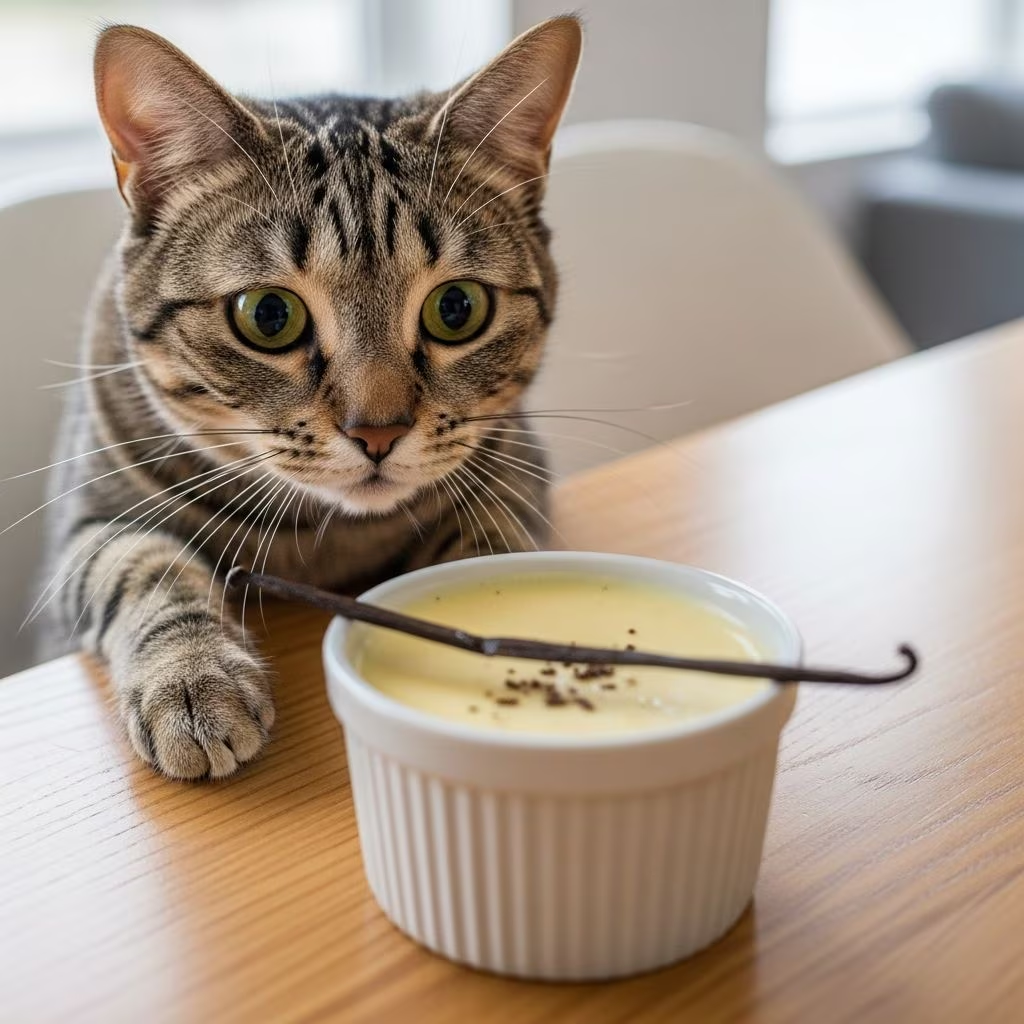
Cats are obligate carnivores with unique dietary needs, and while they may show interest in human foods like vanilla pudding, it is not safe for them to consume. Vanilla pudding contains ingredients such as milk, sugar, butter, and vanilla extract that can cause digestive upset, obesity, and even toxicity in felines. This comprehensive guide explores why you should keep vanilla pudding away from your cat, what happens if they eat it, healthier treat options, and answers to common questions.
The Dangers of Vanilla Pudding for Cats
Vanilla pudding might seem like a harmless, creamy treat, but its composition makes it unsuitable for cats. Most recipes or store-bought versions include dairy products, high amounts of sugar, fats, and flavorings that cats cannot process efficiently. Cats lack the enzymes needed to digest certain components, leading to immediate gastrointestinal issues and long-term health risks like diabetes and obesity. Understanding each ingredient’s impact is key to protecting your pet.
Milk in Vanilla Pudding
One of the primary ingredients in vanilla pudding is milk, which poses a significant risk because most adult cats are lactose intolerant. Kittens produce lactase to digest their mother’s milk, but this enzyme production decreases after weaning, leaving adult cats unable to break down lactose properly. When ingested, undigested lactose ferments in the gut, causing bloating, gas, diarrhea, vomiting, and abdominal cramps. In severe cases, dehydration can occur from fluid loss through diarrhea. High-fat content in whole milk or cream used in pudding exacerbates these issues, contributing to pancreatitis or weight gain over time. Veterinary sources confirm that dairy is a common culprit for feline digestive woes, affecting up to 70% of adult cats.
Sugar Content
Vanilla pudding recipes typically call for ½ cup or more of sugar per batch, making it excessively sweet for cats. Cats cannot taste sweetness due to a non-functional sweet taste receptor gene, so sugar provides no appeal or nutritional value—only empty calories. Excessive sugar disrupts the gut microbiome, leading to diarrhea, fermentation in the intestines, and malabsorption of nutrients. Long-term consumption promotes obesity, insulin resistance, and type 2 diabetes, conditions increasingly common in indoor cats. Unlike humans, cats derive energy primarily from protein and fat, not carbohydrates, so sugar offers no benefit and heightens risks for heart disease and dental issues like cavities.
Butter and High Fats
Butter, often used for richness in pudding, is high in saturated fats but low in lactose compared to milk. However, cats do not require extra dietary fat beyond what’s in quality cat food. Consuming butter can trigger vomiting, diarrhea, and greasy stools due to poor fat digestion. Over time, high-fat intake leads to obesity, hepatic lipidosis (fatty liver disease), and pancreatitis—a painful inflammation of the pancreas that can be life-threatening. Even small amounts licked from a counter can upset a cat’s stomach, emphasizing why fatty human foods are off-limits.
Vanilla Extract and Additives
Vanilla extract, a staple for flavoring, is macerated in ethanol (alcohol) and water, making it highly toxic to cats. A single teaspoon of pure vanilla extract contains enough ethanol to cause poisoning, with symptoms including drunken gait, disorientation, vomiting, hypothermia, coma, and potentially death. Even diluted amounts in pudding pose a risk, especially if a cat consumes a larger portion. Artificial flavors, preservatives, thickeners like cornstarch, and salt in commercial puddings add further hazards: salt can lead to sodium ion poisoning, while preservatives may irritate the gut. These additives are unnecessary for cats and amplify the overall danger.
What Happens If Your Cat Eats Vanilla Pudding?
If your cat sneaks a small lick or bite of vanilla pudding, monitor closely but avoid panic—symptoms are often mild and self-limiting. Common signs include vomiting, diarrhea, lethargy, loss of appetite, and abdominal discomfort within 30 minutes to a few hours. These stem primarily from lactose intolerance and sugar overload. Provide plenty of fresh water to prevent dehydration, and withhold food for 12-24 hours to rest the gut, then reintroduce bland cat food gradually.
For larger amounts, contact your veterinarian immediately. Provide the full ingredient list or product label photo for accurate assessment. Severe symptoms like persistent vomiting, bloody stools, extreme lethargy, seizures (from alcohol), or signs of pancreatitis warrant emergency care. Vets may recommend activated charcoal for toxin absorption, subcutaneous fluids for hydration, or anti-nausea medications. Early intervention prevents complications, and most cats recover fully with prompt treatment.
| Symptom | Possible Cause | Action Needed |
|---|---|---|
| Vomiting/Diarrhea | Lactose/Sugar | Monitor, hydrate; vet if persistent |
| Lethargy | Dehydration/Fat | Encourage water; call vet |
| Drunken behavior | Vanilla Extract | Emergency vet visit |
| Pancreatitis signs (hunched posture) | High Fat | Immediate vet care |
Healthier Alternatives to Vanilla Pudding
Your cat deserves treats that align with their carnivorous needs. Opt for plain, cooked meats and low-sugar veggies/fruits in moderation—no more than 10% of daily calories from treats. Always consult your vet for personalized advice, especially for cats with health conditions.
- Fully cooked chicken or turkey: Skinless, unseasoned, shredded—high in protein, low risk. A small piece (1-2 tsp) boosts taurine intake.
- Fresh salmon (cooked, boneless): Omega-3 fatty acids support skin/coat health; limit to avoid thiaminase in raw fish.
- Blueberries: Antioxidant-rich, low-calorie; mash a few for easy eating, aiding urinary health.
- Zucchini: Plain, steamed, chopped—hydrating fiber without sugar; good for weight management.
- Commercial cat treats: Formulated for nutrition, like freeze-dried meat or dental chews.
Avoid sharing table scraps regularly; they displace balanced cat food providing essential nutrients like taurine, arachidonic acid, and pre-formed vitamin A.
Cat Nutrition Basics: Why Stick to Cat Food?
Cats are obligate carnivores, requiring diets high in animal-based proteins (at least 26% for adults), moderate fats (9%), and minimal carbs. Commercial cat foods meet AAFCO standards, ensuring complete nutrition. Human foods like pudding lack these, risking deficiencies. Indoor lifestyles increase obesity risk—36% of cats are overweight—so portion control and activity are vital. Regular vet check-ups catch issues early.
Frequently Asked Questions (FAQs)
Can cats have a little bit of vanilla pudding as a treat?
No, even small amounts risk digestive upset from lactose and sugar. Opt for cat-safe alternatives instead.
Is sugar-free vanilla pudding safe for cats?
No—many contain xylitol, which causes severe hypoglycemia, liver failure, and death in cats.
What if my kitten eats vanilla pudding?
Kittens tolerate lactose better but still face sugar/fat risks. Monitor and contact vet for any symptoms.
Are there any puddings made safe for cats?
No commercial ‘cat pudding’ exists; stick to vet-approved wet foods mimicking prey texture.
How can I stop my cat from begging for human food?
Feed scheduled meals, use puzzle feeders for enrichment, and reward with appropriate treats.
Final Thoughts
While cats beg adorably, vanilla pudding’s ingredients make it a health hazard. Prioritize their carnivorous diet with quality food and occasional safe treats to ensure a long, vibrant life. If unsure about any food, consult a vet—prevention beats cure.
References
- Merck Veterinary Manual: Lactose Intolerance in Cats — Merck & Co. 2024-01-15. https://www.merckvetmanual.com/digestive-system/the-gastrointestinal-tract-of-cats-and-dogs/lactose-intolerance-in-cats-and-dogs
- ASPCA: Alcohol (Ethanol) Toxicity in Cats — ASPCA Animal Poison Control. 2023-05-20. https://www.aspca.org/pet-care/animal-poison-control/toxic-and-non-toxic-plants/alcohol
- Journal of Feline Medicine and Surgery: Feline Obesity and Diabetes — Sage Journals (Peer-reviewed). 2022-11-01. https://journals.sagepub.com/doi/full/10.1177/1098612X221127075
- Pet Poison Helpline: Xylitol Poisoning in Pets — Pet Poison Helpline. 2025-03-10. https://www.petpoisonhelpline.com/pet-owner-blog/xylitol-poisoning-in-pets/
- AAFP Feline Nutrition Guidelines — American Association of Feline Practitioners. 2024-06-01. https://catvets.com/public/PDFs/PracticeGuidelines/NutritionGuidelines.pdf



