

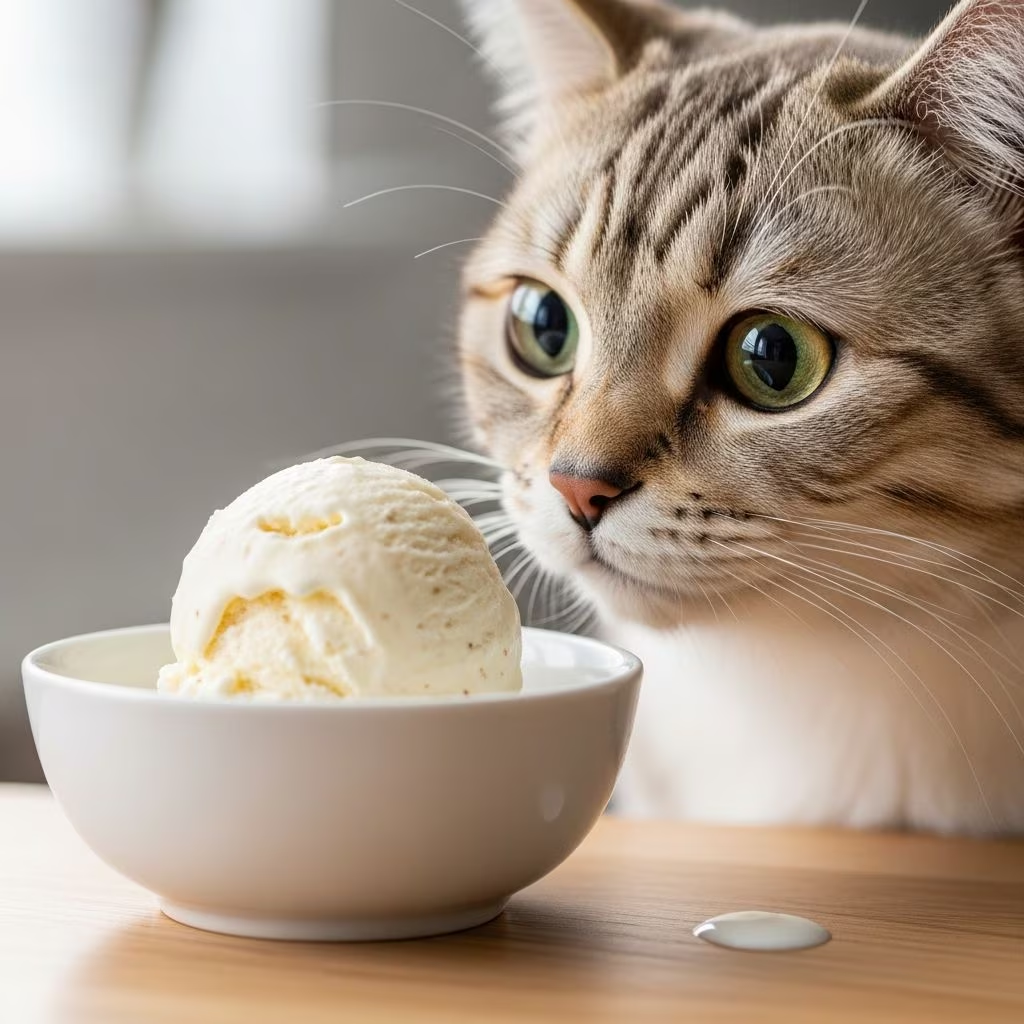
Vanilla ice cream might seem like a harmless indulgence for your cat, especially when they eye it curiously from across the table. However, while it lacks overtly toxic ingredients like chocolate, it’s not a recommended treat for felines. Most adult cats are lactose intolerant, leading to potential digestive woes, and the high sugar and fat content pose long-term health risks. This comprehensive guide explores the safety, dangers, alternatives, and FAQs to help you make informed choices for your pet’s well-being.
Is Vanilla Ice Cream Safe for Cats?
Vanilla ice cream is not toxic to cats in the way chocolate or xylitol-sweetened varieties are, but it’s far from safe as a regular treat. A small lick from your bowl might not cause immediate harm, but larger amounts or repeated exposure can trigger serious issues. Cats lack the enzyme lactase needed to digest lactose in dairy products like ice cream’s cream base. As kittens, they produce lactase to handle mother’s milk, but this production drops sharply after weaning, affecting over 70% of adult cats worldwide.
Even plain vanilla flavors often include artificial sweeteners. While xylitol is deadly for dogs, its effects on cats are less studied but still warrant avoidance. Cats also can’t taste sweetness due to a genetic mutation in their Tas1r2 receptor gene, so the appeal is minimal anyway. Mixing with chocolate ice cream amplifies dangers, as theobromine in chocolate is poisonous and can cause fatal seizures. In short, while a tiny taste won’t likely kill your cat, proactive avoidance prevents unnecessary risks.
Why Is Too Much Vanilla Ice Cream Bad for Cats?
Excessive vanilla ice cream disrupts a cat’s carnivorous diet, which should comprise high-quality animal proteins, moderate fats, and minimal carbs. Ice cream’s profile—laden with lactose, sugars, and fats—clashes with feline physiology. Here’s a breakdown of key concerns:
- Lactose Intolerance: Undigested lactose ferments in the gut, drawing water into intestines and causing osmotic diarrhea. Symptoms include loose stools, gas, bloating, and abdominal pain, often appearing within hours.
- High Sugar Content: Cats are obligate carnivores with no dietary sugar requirement. Excess glucose spikes blood sugar, risking obesity, diabetes, and insulin resistance over time.
- Fats and Calories: Rich dairy fats contribute empty calories, promoting weight gain. Obese cats face heightened pancreatitis, hepatic lipidosis, and heart disease risks.
- Sodium Overload: Ice cream’s salt content can lead to toxicity symptoms like lethargy, vomiting, and seizures in extreme cases.
Nutritionally, ice cream offers zero benefits—no taurine, arachidonic acid, or vitamins cats need from meat. Regular feeding crowds out balanced kibble or wet food, leading to malnutrition.
Health Risks of Feeding Cats Ice Cream
Beyond immediate digestion, ice cream poses broader threats. Short-term effects mimic food poisoning: vomiting, diarrhea, lethargy, and dehydration. Severe cases involve pancreatitis from fat overload, where digestive enzymes attack the pancreas, causing intense pain and organ damage.
Long-term, chronic exposure fosters obesity— a gateway to diabetes (affecting 1 in 200 cats), urinary issues, and arthritis. Dairy allergies, distinct from intolerance, trigger immune responses to casein proteins, manifesting as itching, respiratory distress, or hair loss. Brain freeze from cold treats causes painful vascular spasms in the palate, potentially sensitizing teeth.
For vulnerable cats—seniors, diabetics, or those with GI sensitivities—even traces exacerbate conditions. A table summarizes common symptoms:
| Symptom | Cause | Severity |
|---|---|---|
| Diarrhea | Lactose fermentation | Mild to Moderate |
| Vomiting | Dairy/sugar irritation | Mild |
| Bloating/Gas | Undigested lactose | Mild |
| Obesity/Diabetes | Calories/Sugar | Long-term Severe |
| Pancreatitis | High Fat | Severe |
Monitor for tremors or breathing issues, signaling toxins like propylene glycol in some ice creams.
Can Kittens Eat Vanilla Ice Cream?
Kittens tolerate dairy better initially, as maternal milk provides lactase support. However, cow’s milk ice cream still risks diarrhea, gas, and cramps due to mismatched lactose levels. Post-weaning (around 8 weeks), intolerance sets in rapidly. High sugar and fat promote early obesity, dental plaque, and metabolic issues. Vets unanimously advise against it, favoring kitten-formulated milk replacers if dairy is desired. A lick might pass, but it’s unnecessary when kitten-safe options abound.
Which Ice Cream Flavors Are Dangerous for Cats?
Not all ice creams are equal; many pack hidden toxins. Avoid:
- Chocolate: Theobromine causes hyperactivity, seizures, heart arrhythmias.
- Coffee/Mocha: Caffeine stimulates excessively, risking toxicity.
- Nut Varieties (e.g., Macadamia): Nuts like macadamia are toxic, causing weakness.
- Alcohol-Infused (Rum Raisin): Ethanol depresses the nervous system.
- Mint/Menthol: Essential oils irritate GI tract.
- Xylitol-Sweetened: Hypoglycemia and liver failure.
Plain vanilla is ‘least bad’ but still risky. Always check labels.
Cat-Safe Ice Cream Alternatives
Skip human ice cream for vet-approved frozen delights. Homemade recipes ensure safety:
- Frozen Tuna Juice: Dilute tuna water (no salt/oil), freeze in molds. High protein, low lactose.
- Chicken Broth Pops: Low-sodium, meat-based broth frozen. Hydrating and flavorful.
- Yogurt (Lactose-Free): Plain, goat milk yogurt in tiny amounts—probiotics aid digestion.
- Commercial Cat Ice Cream: Brands like Frosty Paws for cats use catnip or meat flavors, no dairy/sugar.
Portion control is key: treats should be <10% of calories. Rotate with puzzle toys for mental stimulation.
Final Verdict
Vanilla ice cream isn’t acutely poisonous, but its lactose, sugar, and fat make it unsuitable for cats. Occasional microscopic tastes might not harm, but deliberate feeding invites digestive distress, obesity, and chronic illness. Opt for species-appropriate treats to honor your cat’s obligate carnivore needs. If symptoms arise post-exposure, withhold food, offer water, and consult a vet promptly. Prioritize health over momentary pleasure—your cat will thrive on meaty goodness instead.
Frequently Asked Questions (FAQs)
Can cats eat vanilla ice cream?
No, avoid it. Even plain vanilla risks vomiting, diarrhea, and pancreatitis due to lactose intolerance and high fat/sugar.
Can cats eat chocolate ice cream?
Absolutely not. Theobromine is toxic, causing severe symptoms beyond dairy issues.
Is a little bit of ice cream okay for cats?
A tiny lick might be tolerated, but monitor for upset. Regular or larger amounts lead to health problems.
Why do cats like ice cream?
The cold texture and fat appeal, despite no sweet taste detection. Curiosity drives begging.
What happens if a cat eats ice cream?
Expect GI upset: diarrhea, vomiting, gas. Long-term: weight gain, diabetes risk.
References
- Can Cats Eat Ice Cream? — Cats.com. 2023. https://cats.com/can-cats-eat-ice-cream
- Can Cats Eat Vanilla Ice Cream? Vet-Reviewed Facts & FAQ — Catster. 2023. https://www.catster.com/nutrition/can-cats-eat-vanilla-ice-cream/
- Can Cats Eat Ice Cream? Main Risks and Healthy Alternatives — Noble Vet Clinic. 2023. https://noblevetclinic.com/blog/can-cats-eat-ice-cream
- Cats Eating Ice Cream — Untamed Cat Food. 2023. https://untamed.com/blogs/nutrition/cats-eating-ice-cream
- Can Cats Have Ice Cream? Dangers, Safe Flavors & Healthy Cat Treats — WoPet. 2023. https://wopet.com/cats/can-cats-eat-ice-cream/



