

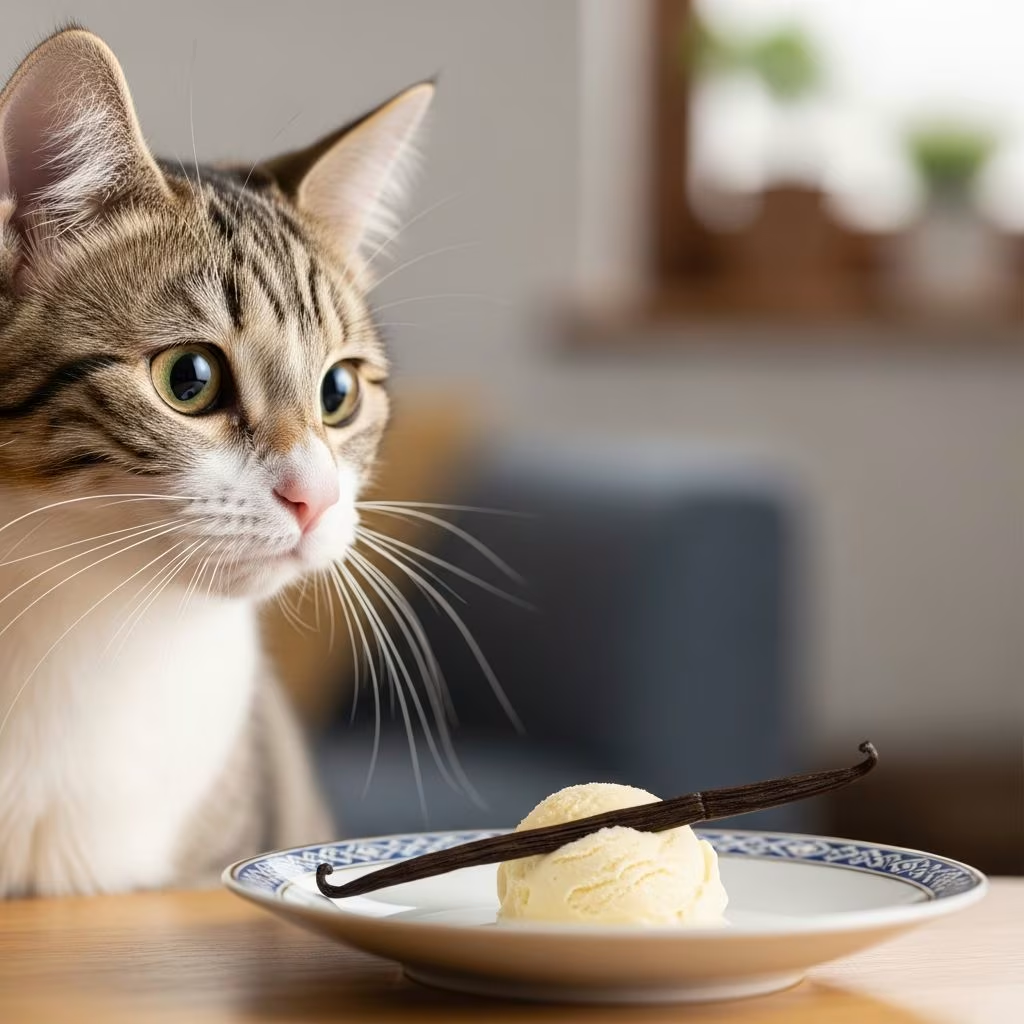
Vanilla, scientific name Vanilla planifolia, is not toxic to cats in its natural form, but it is also not something cats should be eating.Vanilla extract poses significant risks due to alcohol content, while flavored products often include sugar and dairy harmful to felines.
Cats are obligate carnivores with specialized digestive systems ill-suited for plant-based flavors or additives. While a tiny piece of pure vanilla bean might cause only mild upset, most vanilla products contain dangerous ingredients. This guide breaks down the facts, risks, and what to do if your cat ingests vanilla.
Quick Answer: Can Cats Eat Vanilla?
No, cats should not eat vanilla in most forms. Pure vanilla bean (Vanilla planifolia) is non-toxic but offers no nutritional value and can cause digestive upset in larger amounts. The primary dangers lie in processed vanilla like extracts (alcohol-based) and flavored foods (sugar, dairy, artificial additives).
Vanilla extract typically contains 35% or more ethyl alcohol, which is highly toxic to cats—even small amounts (e.g., one teaspoon) can poison them. Vanilla-flavored treats, ice cream, or pudding introduce sugars leading to obesity, diabetes, or diarrhea, plus potential lactose intolerance.
A Little Bit of Vanilla History for Cat Lovers
Vanilla originates from the orchid Vanilla planifolia, native to Mexico, where Aztecs flavored chocolate drinks with it. Today, it’s the second-most expensive spice after saffron. Commercial vanilla extract is made by steeping beans in alcohol and water, creating the potent flavor we know—but this alcohol makes it unsafe for pets.
Pure vanilla beans are dried pods harvested from hand-pollinated orchids, a labor-intensive process. For cats, even this ‘natural’ form lacks appeal since felines lack sweet taste receptors and derive no benefit from it.
Vanilla and Cats: The Risks Explained
While vanilla itself isn’t poisonous, delivery forms introduce hazards:
- Alcohol Toxicity: Traditional extracts use ethanol (35%+ alcohol), causing central nervous system depression. Symptoms include vomiting, disorientation, lethargy, difficulty breathing, seizures, coma, or death.
- Sugar Overload: Vanilla sweets contribute empty calories, risking obesity, diabetes, and dental issues. Cats can’t taste sweetness anyway.
- Dairy Issues: Vanilla ice cream or yogurt often causes diarrhea in lactose-intolerant cats (most adults are).
- Artificial Additives: Synthetic vanillin or flavorings may contain untested chemicals, potentially triggering allergies or toxicity.
- Xylitol Danger: Some products use this sweetener, lethal to cats via hypoglycemia and liver failure.
| Vanilla Form | Safety Level | Main Risks |
|---|---|---|
| Pure Vanilla Bean | Low Risk (Tiny Amounts) | Mild GI upset |
| Vanilla Extract (Alcohol-Based) | Highly Toxic | Alcohol poisoning |
| Artificial Vanilla Flavoring | Unknown/Moderate Risk | Synthetic chemicals |
| Vanilla Ice Cream/Pudding | Unsafe | Sugar, dairy, calories |
| Vanilla Yogurt | Unsafe | Sugar, lactose, additives |
How Much Vanilla Can Cats Eat? (The Safest Amount)
Zero is safest. Cats gain nothing nutritionally from vanilla, and any amount risks issues. A minuscule pure bean speck (<1/8 tsp) might pass harmlessly, but monitor for vomiting or diarrhea. Avoid extracts entirely—even a drop can intoxicate a small cat.
Obligate carnivores like cats process sugars poorly. Introduce nothing novel without vet approval. If experimenting (not advised), start infinitesimal and observe 24-48 hours.
Vanilla Extract: A Special Warning
Vanilla extract is dangerous for cats due to ethanol. Natural extracts macerate beans in alcohol-water solutions; one teaspoon equates to a toxic dose. Alcohol depresses the CNS, dropping blood sugar and causing hypothermia.
Alcohol-free extracts exist but often use glycerin or propylene glycol—still not cat-safe in quantity. Store extracts high/upright to prevent spills.
Safe Ways to Flavor Cat Treats (Vanilla Alternatives)
Skip vanilla; use cat-approved flavors:
- Catnip or Silvervine: Natural stimulants for playfulness.
- Freeze-Dried Meat: Chicken, fish—pure protein treats.
- Bone Broth: Low-sodium, plain for hydration/flavor.
- Commercial Cat Treats: Vet-formulated, low-calorie options.
DIY: Mix tuna water with kibble. Always check labels; avoid human foods.
What Happens If a Cat Eats Vanilla?
Effects vary by amount/form:
- Extract/Alcohol: Vomiting, drooling, ataxia (wobbly walk), lethargy, rapid breathing, low body temp. Severe: seizures, coma.
- Sugary/Dairy Vanilla: Diarrhea, gas, vomiting within hours; long-term weight gain.
Act fast: Note product/amount ingested. Contact vet or poison hotline (e.g., ASPCA). Provide water; do NOT induce vomiting without guidance.
When to See a Vet After Vanilla Ingestion
Immediate vet if:
- Any extract exposure.
- Symptoms: vomiting >2x, lethargy, disorientation, tremors.
- Product contained xylitol/chocolate.
Monitor mild cases 24 hours. Better safe—call vet for peace of mind.
Vanilla Ice Cream, Yogurt, and Other Flavored Foods for Cats
No to all. Ice cream: High fat/sugar + lactose = pancreatitis risk. Yogurt: Vanilla adds sugars/artificials atop intolerance. Pudding: Calories/protein lure but deliver toxins. Offer plain, strained goat milk sparingly if tolerated—consult vet.
Conclusion
Keep vanilla for humans. Cats thrive on meat-based diets; vanilla adds risk without reward. Secure pantry items, educate family, opt for feline-specific treats. Prompt action prevents harm—your vigilance keeps tails wagging.
Frequently Asked Questions (FAQs)
Can cats eat vanilla ice cream?
No. Sugar, dairy cause digestive upset, obesity. Avoid entirely.
Is vanilla extract toxic to cats?
Yes, due to alcohol. Causes poisoning even in small amounts.
What if my cat ate vanilla extract? Symptoms?
Vomiting, lethargy, wobbliness, drooling. Seek vet urgently.
Can cats have vanilla yogurt?
No. Sugars, additives, lactose risks outweigh any benefit.
Is pure vanilla safe for cats?
Non-toxic in tiny bits but unnecessary; may upset stomach.
Why don’t cats like vanilla?
Lack sweet receptors; scent may intrigue but taste doesn’t.
References
- Can Cats Eat Vanilla? Safety & Risks Explained — Zoorithm. 2024. https://www.zoorithm.com/cats/can-cat-eat-vanilla
- Can Cats Eat Vanilla? Vet-Verified Facts — Huston Veterinary Clinic. 2024. https://hustonveterinary.com/can-cats-eat-vanilla/
- Can Cats Eat Vanilla Pudding? Vet Approved Facts & FAQ — Catster. 2024. https://www.catster.com/nutrition/can-cats-eat-vanilla-pudding/
- Can Cats Eat Vanilla Yogurt: A Guide for Cat Owners — Amin Pet Shop. 2024. https://aminpetshop.com/blogs/news/can-cats-eat-vanilla-yogurt-a-guide-for-cat-owners
- Can Cats Eat Vanilla? Vet-Reviewed Nutrition Facts & Safety Guide — Hepper. 2024. https://articles.hepper.com/can-cats-eat-vanilla/
- Can Cats Eat Vanilla? Vet-Reviewed Facts & FAQ — Catster. 2024. https://www.catster.com/nutrition/can-cats-eat-vanilla/



