

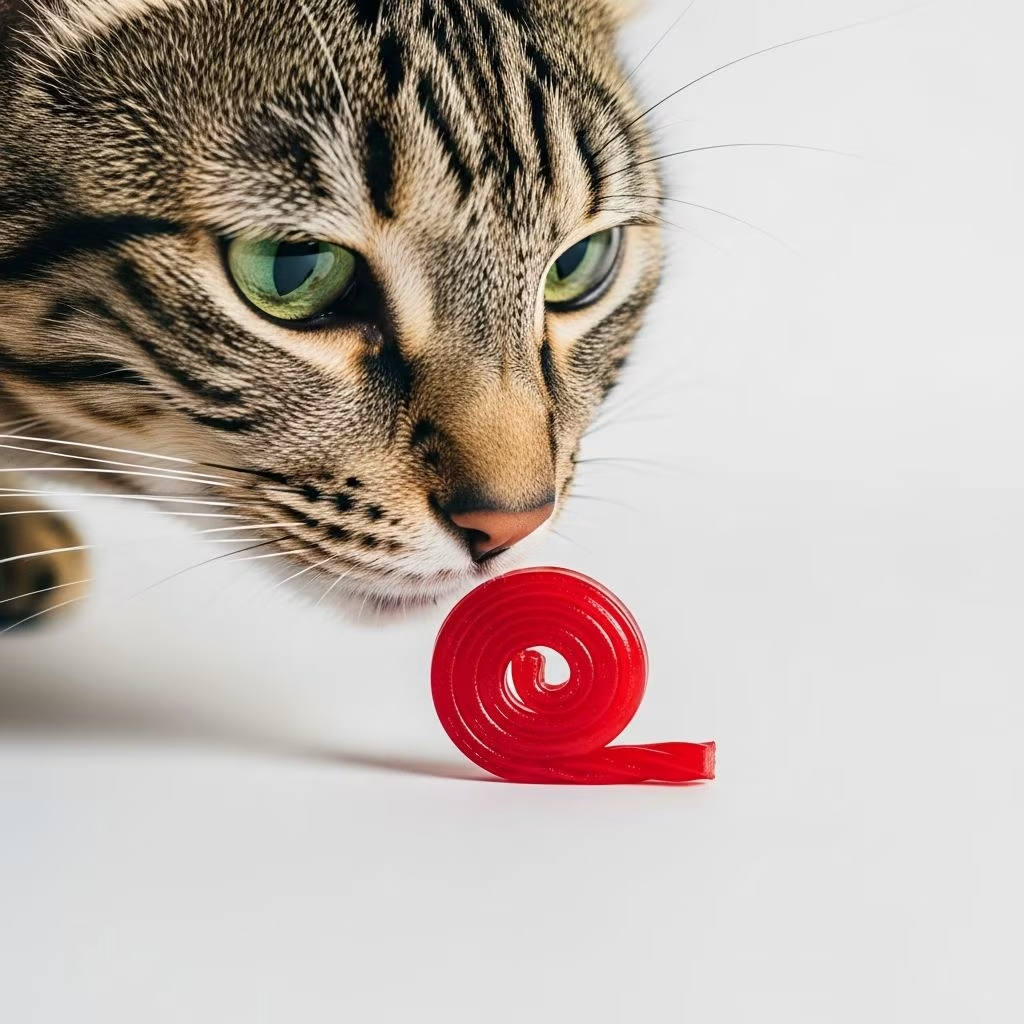
Cats are obligate carnivores, meaning their diet must primarily consist of meat to meet nutritional needs, with about 70% animal-based protein required for optimal health. Twizzlers, popular chewy candies, contain high levels of sugar, corn syrup, wheat flour, and artificial additives that offer no benefits and pose several risks to felines. While not immediately toxic in small amounts, they can lead to digestive upset, obesity, diabetes, and dental problems. This article breaks down the ingredients, risks, what to do if your cat consumes them, safe alternatives, and answers common questions.
What Are Twizzlers?
Twizzlers are twisted, chewy candies first produced in 1929 by Young & Smylie, later acquired by Hershey in 1977. Originally available only in black licorice flavor, they now come in strawberry (red), cherry, grape, orange, and chocolate varieties. Despite the name, most Twizzlers (except black licorice ones) do not contain real licorice root; they are simply fruit-flavored candies.
The primary ingredients include:
- Sugar and corn syrup: High concentrations provide empty calories with no nutritional value for cats.
- Wheat flour and cornstarch: Grain-based fillers that cats, as obligate carnivores, cannot efficiently digest.
- Palm oil, glycerin, and soy lecithin: Fats and emulsifiers that may cause gastrointestinal issues.
- Artificial flavors, colors, and preservatives (e.g., potassium sorbate, citric acid): Synthetic compounds linked to allergies or sensitivities in some cats.
These components make Twizzlers low-fat and often vegan-friendly for humans but entirely unsuitable for cats, who lack sweet taste receptors and require high-protein, low-carb diets.
Are Twizzlers Safe for Cats?
No, Twizzlers are not safe for cats. Cats cannot taste sweetness due to the absence of sweet taste buds, so they won’t enjoy the flavor humans do. More critically, the ingredients disrupt feline physiology:
- High sugar content: Leads to rapid blood sugar spikes, contributing to obesity, diabetes, and tooth decay over time. Cats process carbohydrates poorly, exacerbating these risks.
- Gluten and grains: Wheat flour can trigger sensitivities, causing vomiting, diarrhea, or chronic gut inflammation.
- Artificial additives: Colors and flavors may provoke allergic reactions or hyperactivity.
- Chewy texture: Poses choking hazards or intestinal blockages, especially for kittens or small cats.
Even occasional small pieces accumulate harm, as emphasized by veterinary guidelines favoring species-appropriate nutrition.
Health Risks of Feeding Twizzlers to Cats
Short-term effects from Twizzler consumption include:
- Vomiting or diarrhea due to sugar overload and indigestible carbs.
- Lethargy or abdominal pain from digestive distress.
- Sticky residue promoting plaque buildup and dental disease.
Long-term risks are more severe:
| Risk | Description | Potential Consequences |
|---|---|---|
| Obesity | Excess calories from sugar and syrups | Joint issues, reduced mobility, shorter lifespan |
| Diabetes | Chronic high blood sugar | Insulin resistance, kidney failure |
| Digestive Disorders | Gluten intolerance, additive sensitivities | IBD, chronic diarrhea |
| Dental Problems | Sugar fermentation on teeth | Cavities, gingivitis, tooth loss |
Regular junk food displaces nutrient-dense cat food, leading to deficiencies in taurine, arachidonic acid, and other essentials vital for heart, vision, and skin health.
What Happens If Your Cat Eats a Twizzler?
If your cat sneaks a Twizzler, monitor closely for 24-48 hours. Mild cases may show no symptoms, but watch for:
- Vomiting (within 2-12 hours)
- Diarrhea or soft stools
- Lethargy, loss of appetite
- Excessive thirst/urination (early diabetes sign)
Do not induce vomiting at home. Contact your vet or an animal poison control hotline immediately if symptoms appear or if more than a small piece was ingested. Provide fresh water and withhold food briefly to rest the gut. In severe cases (e.g., choking, blockage), emergency intervention may be needed.
Twizzlers vs. a Healthy Cat Diet
Cats thrive on commercially prepared foods meeting AAFCO standards, with 70% meat content, balanced proteins (30-40%), fats (15-20%), and minimal carbs (<10%). Avoid fillers like corn, wheat, or by-products, which mimic Twizzler ingredients but are even more prevalent in low-quality kibble.
Twizzlers provide zero taurine, preformed vitamin A, or arginine—nutrients cats must obtain from animal sources. Human sweets contradict this biology, potentially shortening life expectancy from 15 years to under 10 with poor diet.
Safe and Healthy Alternatives to Twizzlers
Opt for vet-approved treats comprising less than 10% of daily calories. Top options include:
- High-protein meats: Plain cooked chicken, turkey, or salmon (no bones, skin, seasoning). Rich in omega-3s for coat health.
- Freeze-dried treats: Brands like PureBites (liver, fish) offer pure meat without additives.
- Commercial cat treats: Grain-free, low-carb options such as dental chews for plaque control.
- Non-food stimulators: Catnip, cat grass (oat/wheatgrass for digestion), or interactive toys.
Introduce new treats gradually to monitor tolerance. These mimic natural prey, supporting muscle maintenance and vitality.
Common Myths About Cats and Candy
Myth 1: Cats like sweets. Fact: Lacking sweet receptors, they may chew for texture or curiosity, not taste.
Myth 2: A tiny piece won’t hurt. Fact: Cumulative sugar intake raises chronic disease risks; prevention is key.
Myth 3: Licorice Twizzlers are natural and safe. Fact: Most use artificial flavors; real licorice root (glycyrrhizin) is toxic, causing salt imbalance.
Frequently Asked Questions (FAQs)
Can cats eat strawberry Twizzlers?
No, strawberry Twizzlers pose the same risks as others due to sugar, grains, and dyes. Stick to meat-based rewards.
Are black licorice Twizzlers toxic to cats?
Twizzler black licorice uses artificial flavors, not toxic root, but high sugar still harms digestion and metabolism.
What should I do if my cat ate Twizzlers?
Observe for vomiting, diarrhea, or lethargy. Call your vet if symptoms develop; provide water only initially.
Why can’t cats have human candy?
Cats are obligate carnivores needing meat-derived nutrients; candy’s carbs, sugars, and additives cause imbalances.
What are the best treats for cats?
Cooked plain meats, freeze-dried fish/liver, or grain-free commercial treats. Limit to 10% of diet.
References
- Can Cats Eat Twizzlers? Nutrition Facts & Safety Guide — Hepper. 2024. https://articles.hepper.com/can-cats-eat-twizzlers/
- Can Cats Eat Twizzlers? Vet-Approved Safety Guide (2025) — CatsXpert. 2025. https://catsxpert.com/can-cats-eat-twizzlers/
- Can Cats Eat Twizzlers? Safety & Alternatives — Zoorithm. 2024. https://www.zoorithm.com/cats/can-cat-eat-twizzler
- Can Cats Eat Twizzlers Strawberry? Licorice Safety for Cats — DialAVet. 2024. https://www.dialavet.com/blog/can-cats-eat-twizzlers-strawberry
- Can Cats Eat Candy? Health Risks & Recommendations — Catster. 2024. https://www.catster.com/nutrition/can-cats-eat-candy/



